Why 56 American Airlines Regional Jets Have A Table Bolted Where A Seat Should Be
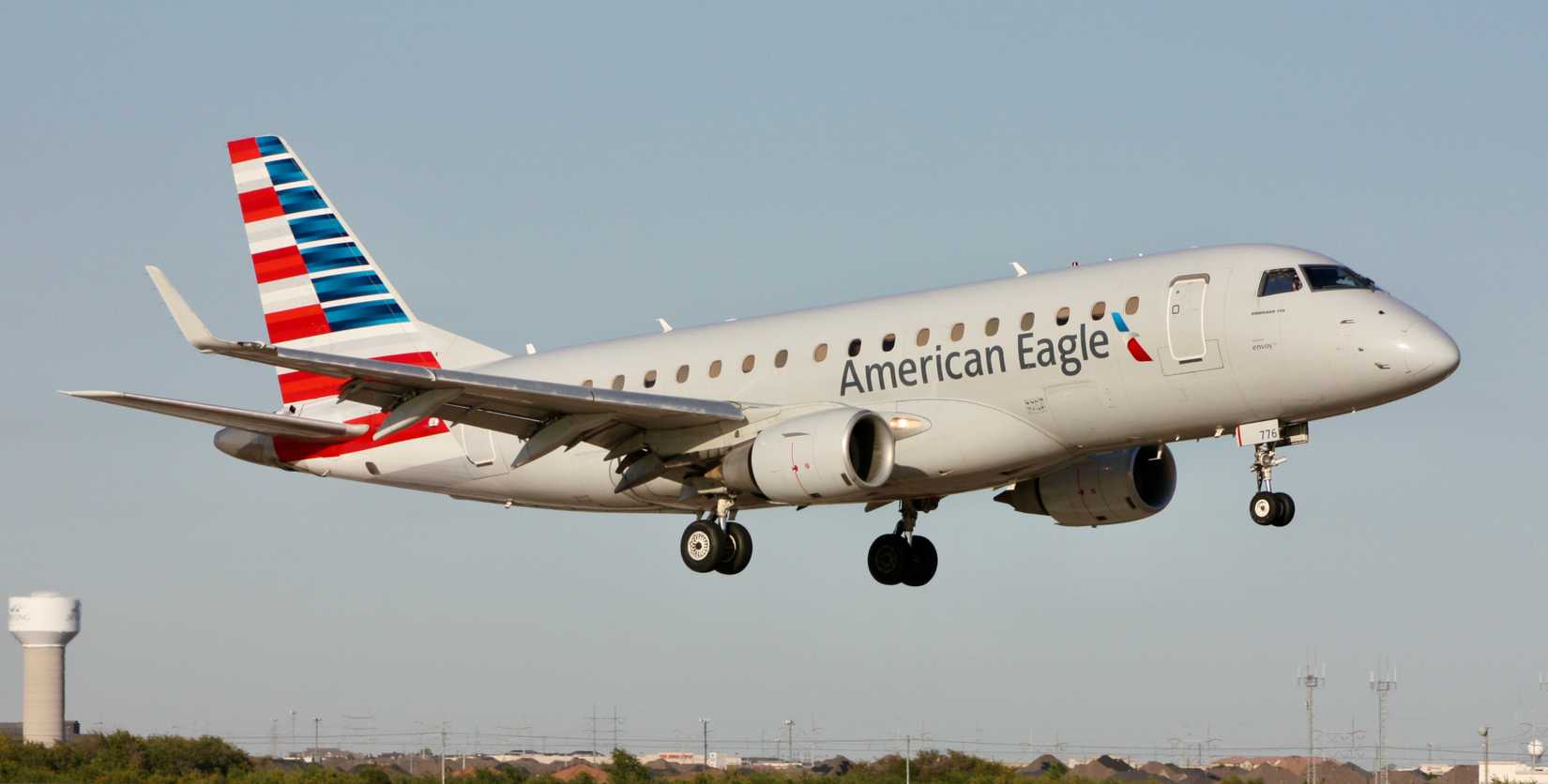
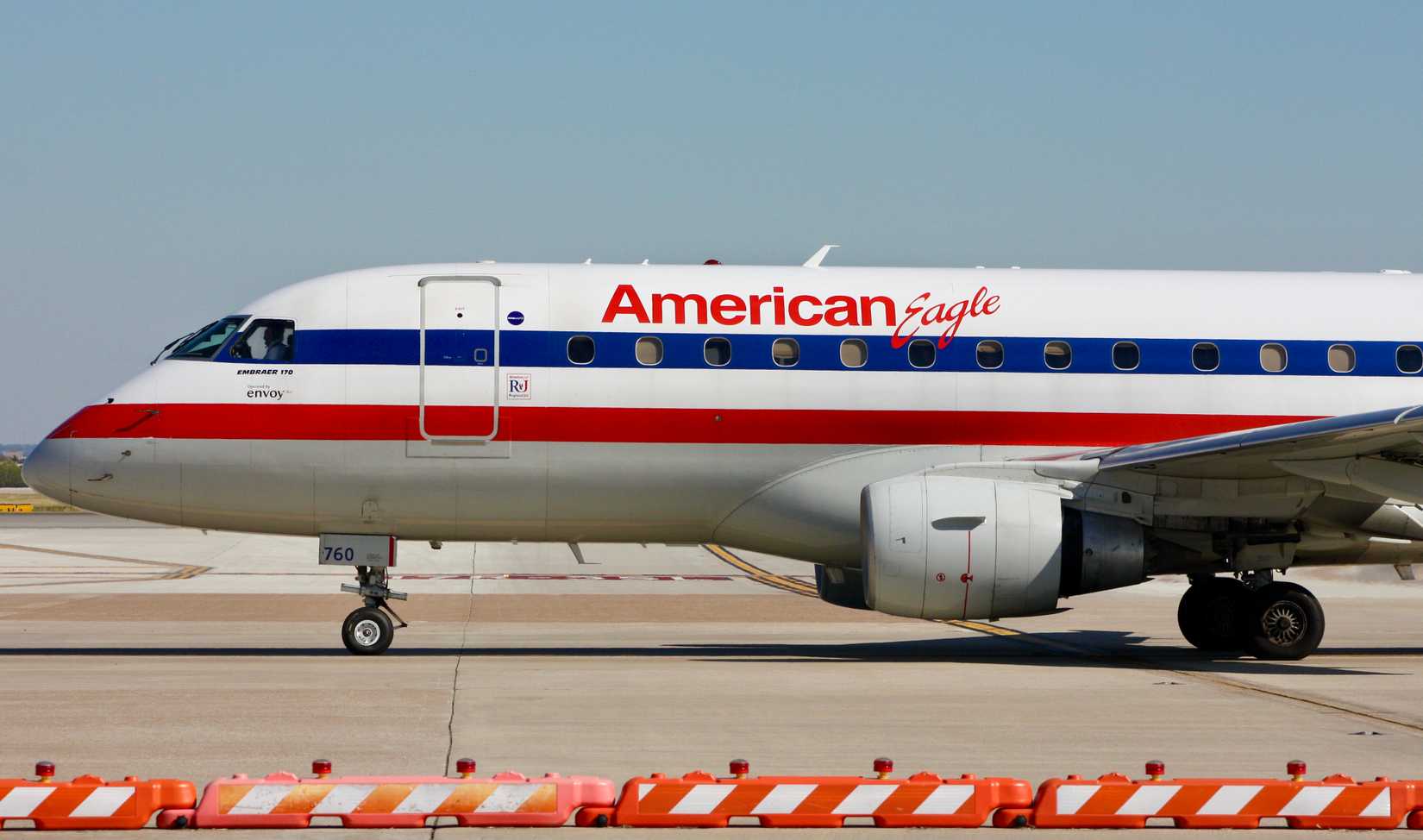
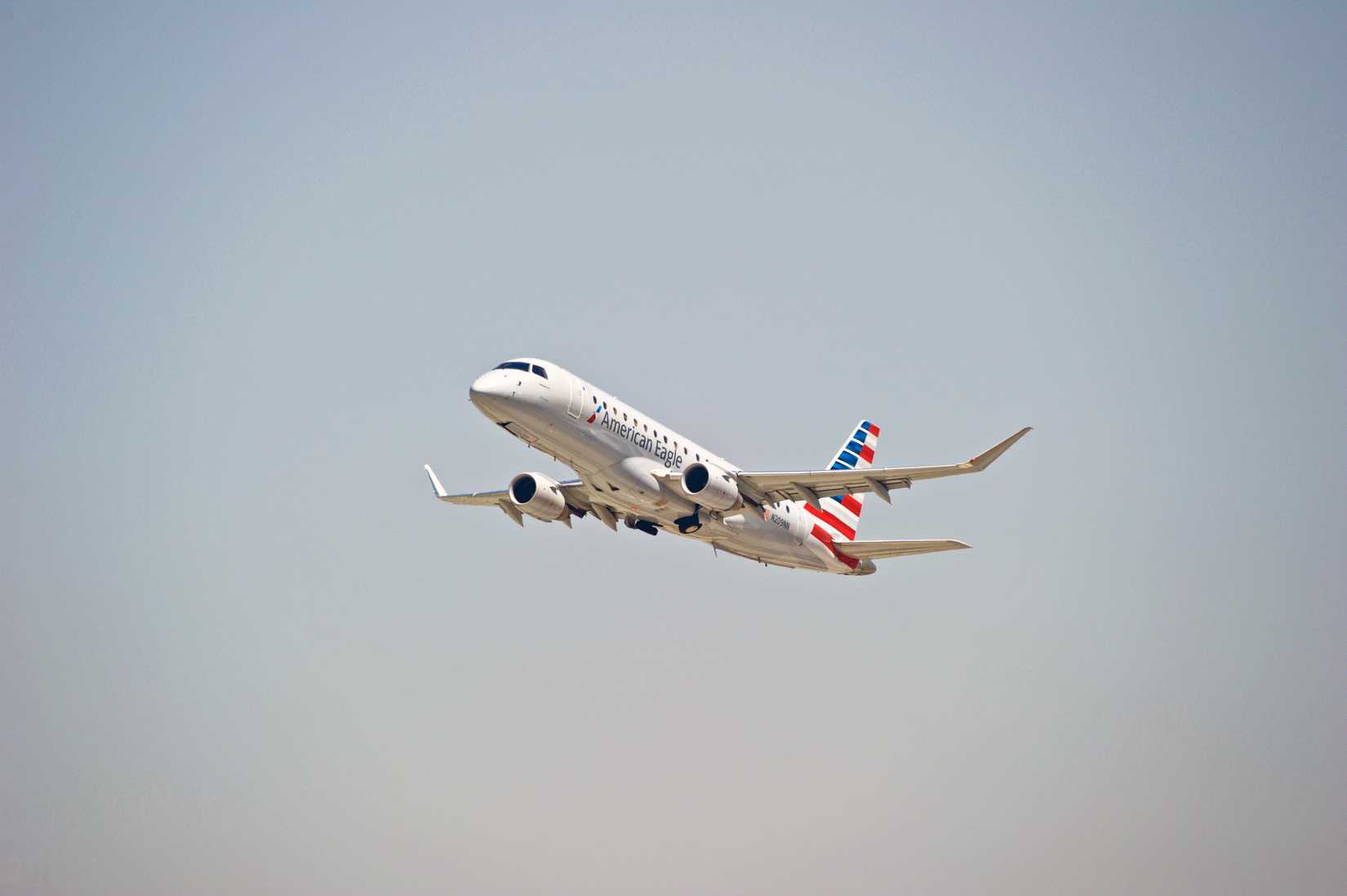
The blocked-out seat 21F on American Airlines' Envoy Air and Republic Airways-operated Embraer E170s is a small, visible artifact of one of the most consequential labor-management provisions in U.S. commercial aviation: the pilot union scope clause. Rather than a maintenance defect, the hard table bolted where a seat cushion should be is a deliberate engineering workaround that caps the aircraft at 65 passenger seats instead of the E170's standard 66-seat configuration. That single seat matters enormously because American's mainline pilot contract restricts regional carriers operating on its behalf from flying jets configured for 66 to 76 seats beyond a specified percentage of the fleet. By physically disabling one seat and reclassifying it as a "non-occupiable position," Envoy and Republic keep the E170 under the 66-seat threshold entirely, avoiding the contractual restriction rather than merely managing it.
For working pilots, particularly those flying for regional carriers or mainline operators with capacity purchase agreements, this story illustrates how deeply scope clauses shape day-to-day fleet planning, aircraft interiors, and even individual seat assignments passengers see on booking apps. Scope clauses exist to protect mainline pilot jobs and wage scales by limiting how much flying — measured in aircraft size, weight, and seat count — a major carrier can hand off to lower-cost regional partners. The 65-seat threshold on the E170 is not arbitrary; it reflects careful contractual line-drawing between American and its pilot union (APA), and operators like Envoy and Republic must engineer their cabins to stay just under that line. Any pilot who has worked regional flying, or who negotiates scope language during contract talks, understands that these caps directly determine which aircraft get ordered, how many regional jobs exist, and how quickly regional pilots can flow to mainline seats.
The broader significance extends to fleet modernization economics across the industry. The article notes that scope clause seat limits are a primary reason Embraer paused development of the E175-E2, since the upgraded jet's improved efficiency would have pushed it into a seating configuration that violates existing scope agreements. This creates a structural tension: regional carriers are contractually barred from operating more fuel-efficient, next-generation aircraft that exceed legacy seat caps, even though those aircraft would lower operating costs and emissions per passenger. The result is that the regional jet market — CRJs, E170s, and E175s — remains frozen in configurations optimized for contract compliance rather than for optimal economics or environmental performance, a tension that will likely resurface in every mainline-pilot contract negotiation as long as scope clauses remain tied to rigid seat counts.
For operators and schedulers, the practical lesson is that preserving standard cabin architecture — leaving seat tracks, trim, and structural attachments intact while simply removing a cushion and adding a table — is far cheaper and more flexible than performing a certified interior modification. This approach preserves the ability to quickly restore full capacity if contract terms change, avoids costly re-certification for crashworthiness and emergency egress clearance, and keeps the aircraft interchangeable across the fleet. It's a pattern that recurs whenever regulatory or contractual seat restrictions apply, and pilots and cabin crews operating these aircraft should recognize it as a compliance mechanism rather than an anomaly. As scope clause negotiations continue to be a flashpoint in future pilot contract talks across American, Delta, United, and Alaska, expect more of these quiet, seat-level accommodations to keep regional fleets technically compliant while mainline carriers push for greater flexibility in upgauging regional flying.






 Read original article