What Squawk Code 7600 Means & Why It Is More Common Than Passengers Realize
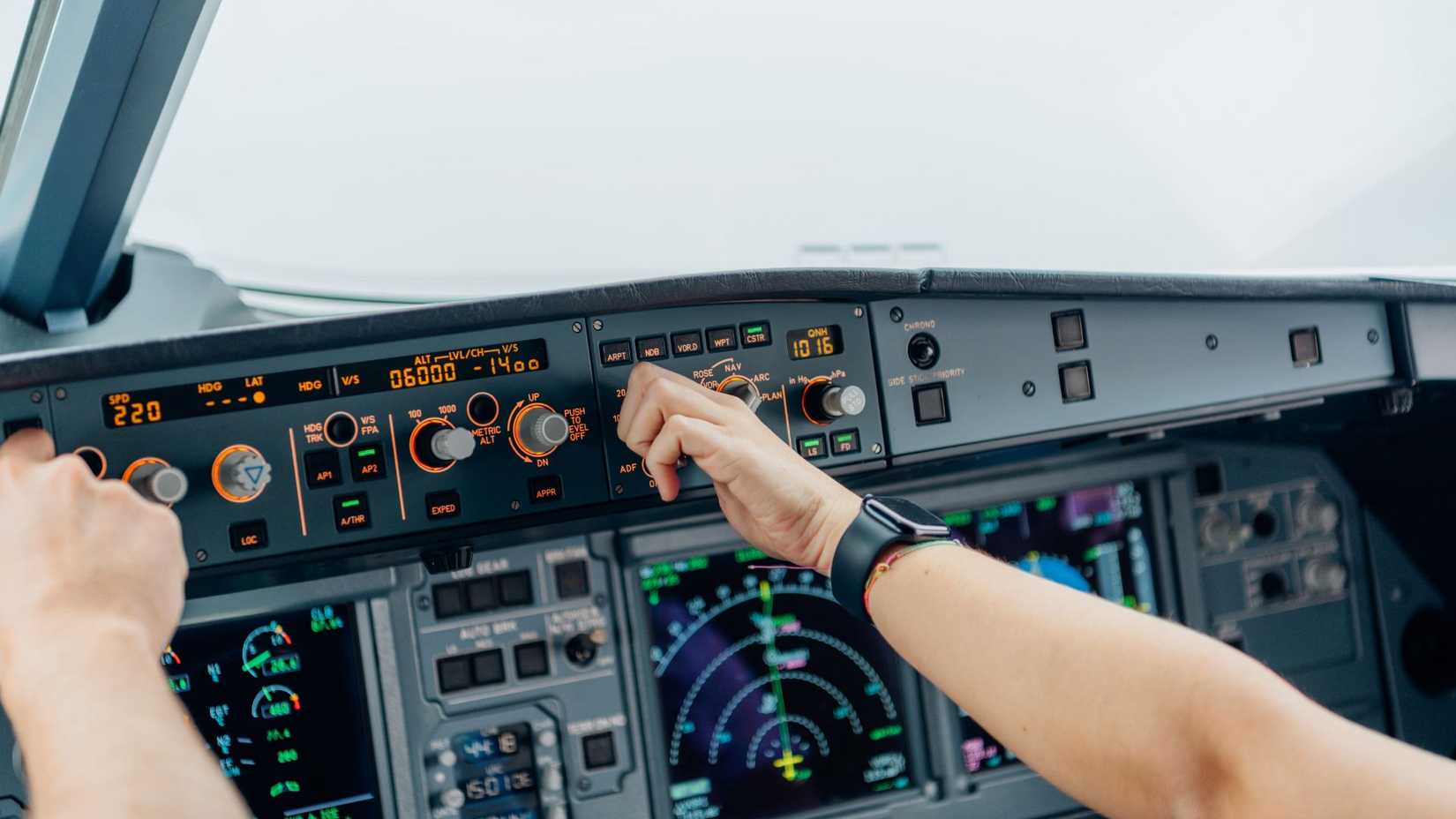
Squawk code 7600 sits alongside 7500 (hijacking) and 7700 (general emergency) as one of three internationally reserved transponder codes every pilot memorizes early in training, but unlike its counterparts, it flags a mechanical or procedural nuisance far more often than a genuine crisis. The code simply tells ATC that an aircraft has lost two-way radio communication—a failure that can stem from something as mundane as a bad headset jack, a blown fuse, a misconfigured audio panel, or a frequency mix-up between crew and controller. Because the transponder operates independently of the voice radios, dialing 7600 into the box becomes the pilot's substitute for a verbal report, instantly alerting every controller and radar display in range that the aircraft can no longer receive or transmit voice traffic normally. This distinction matters because it reframes what many passengers assume is a dramatic in-flight emergency as, in most cases, a routine equipment malfunction handled through pre-briefed contingency procedures.
For working pilots, the value of this article lies less in novelty and more in reinforcing how deeply NORDO (no-radio) procedures are baked into the IFR system's DNA. Lost-comm procedures under 14 CFR 91.185 in the U.S., and their ICAO equivalents internationally, give pilots and controllers a shared script: fly the last assigned route, altitude per the highest of assigned/expected/MEA, and proceed to the clearance limit or destination based on filed times—all without a single word exchanged. Controllers, in turn, are trained to protect that airspace, attempt contact via 121.5, relay through other aircraft or company dispatch, and prepare tower light-gun signals if the aircraft is inbound to a controlled field. The system's resilience is precisely why 7600 doesn't trigger the same operational cascade as 7700 or 7500—it's a known failure mode with a known playbook, not an open-ended threat. Crews who've never had to use it in anger still brief it on virtually every IFR flight, and the muscle memory matters when a stuck mic, failed COMM radio, or antenna fault turns a routine leg into a silent one.
The broader relevance to commercial, business, and GA operators is the reminder that avionics redundancy and CRM discipline around communication loss remain foundational safety layers even as cockpits grow more automated and connected. Modern aircraft carry dual or triple COMM radios, and many carriers now supplement voice with datalink (CPDLC) and ACARS messaging, giving crews additional paths to reach ATC before ever needing to declare lost comm. Yet legacy systems, older GA aircraft, and even next-gen fleets experiencing isolated failures still rely on the decades-old 7600 protocol as the fallback. For flight departments and training programs, the piece serves as a useful reminder to keep lost-comm procedures current in recurrent training, particularly for crews transitioning between domestic and international operations where ICAO and FAA procedural nuances can differ. In an era where the traveling public increasingly follows flight-tracking apps and squawk codes in real time, incidents involving 7600 are more likely to surface publicly than in the past—making it worthwhile for airlines and business aviation operators alike to have clear communication protocols ready to reassure passengers and stakeholders that a 7600 squawk is a managed contingency, not a crisis.

















 Read original article