Sold In 2023: Saudia Denies Links To 5 Boeing 777s Reportedly Smuggled Into Iran
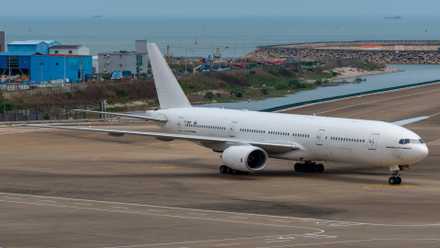
Saudia's public defense of its 2023 sale of five Boeing 777-200s, aircraft that have since surfaced in Iran and are believed to be destined for Mahan Air, highlights the persistent difficulty of controlling the secondary market for large commercial aircraft once they leave a carrier's direct ownership. Saudia maintains it sold the widebodies to a third-party company outside the Kingdom through legitimate commercial and legal channels, and that it has had no operational or commercial relationship with the airframes since the transaction closed. The airline's position rests on a common industry defense: once ownership transfers to an intermediary, the original operator has limited visibility into, or control over, where the asset ultimately lands. With two aircraft already reportedly at Tehran Mehrabad and three more staged in Muscat and Fujairah, allegedly with Emirati government facilitation, the deal underscores how sanctioned carriers like Mahan Air continue to source Western-built airframes through layered brokerage structures that obscure end-use.
For working pilots and fleet planners, this episode is a reminder that aircraft disposition carries reputational and compliance risk long after the bill of sale is signed. Mahan Air has been under US Treasury (OFAC) sanctions since 2011 over alleged ties to Iran's Islamic Revolutionary Guard Corps, and any traceable link between a Boeing 777 airframe and Mahan's fleet inevitably draws scrutiny back to the aircraft's ownership chain, including the original operator, lessor, and any intermediary brokers involved in the transfer. Corporate and airline flight departments engaged in aircraft trading, whether disposing of retired widebodies or acquiring used equipment, should take note of how due diligence gaps in secondary-market transactions can expose sellers to allegations of sanctions circumvention, even when the seller's own conduct was compliant. This is particularly relevant for operators managing large narrowbody and widebody retirements, where used aircraft frequently pass through leasing companies, part-out specialists, or holding entities before reaching a final operator, sometimes in jurisdictions with weaker export-control enforcement.
The broader trend this case illustrates is Iran's continued success in reactivating and expanding its widebody fleet despite a multi-decade sanctions regime targeting US-origin aircraft and parts. Tehran's aviation sector has long relied on grey-market parts sourcing, registration changes, and circuitous delivery routing to keep aging Boeing and Airbus fleets airworthy, and the reported involvement of UAE-based staging points in Muscat and Fujairah suggests these logistics networks remain active and adaptable. For Mahan Air specifically, replenishing its 777-200ER fleet, which lost an airframe to airstrikes earlier this year, adds urgency to its acquisition efforts and signals that sanctioned carriers will keep pursuing legacy Western widebodies as replacements become scarcer. Pilots operating in the Middle East and Gulf airspace, as well as maintenance and leasing professionals handling aircraft retirement and remarketing, should view this as a case study in the compliance exposure inherent in disposing of older equipment, and a signal that regulators and industry watchdogs are increasingly tracking aircraft movements through open-source intelligence, including flight-tracking data and social media reporting, to expose sanctions evasion in real time.








 Read original article