Boeing Commercial Aircraft: Is profitability around the corner? Part II
Boeing Commercial Airplanes' return to sustained profitability hinges less on order volume than on the mundane discipline of stable, predictable production—a point Leeham News drives home in this second installment examining BCA's 787 and 777 programs. The numbers are stark: BCA earned a 13% operating margin in 2018 on $60.7 billion in revenue, but the 787 and 777X programs alone have since absorbed $26 billion in write-offs, charges, and abnormal production costs, with $22 billion of that accumulating since 2020. That figure now exceeds the total damage from the 737 MAX crisis, underscoring how thoroughly the widebody side of the house has undermined what was supposed to be the stable counterweight to narrowbody earnings. In 2025, BCA posted a $7.079 billion loss despite delivering 600 aircraft, with the Dreamliner line averaging just 7.33 units per month against a program that historically delivered 12-14/month before the pandemic-era collapse.
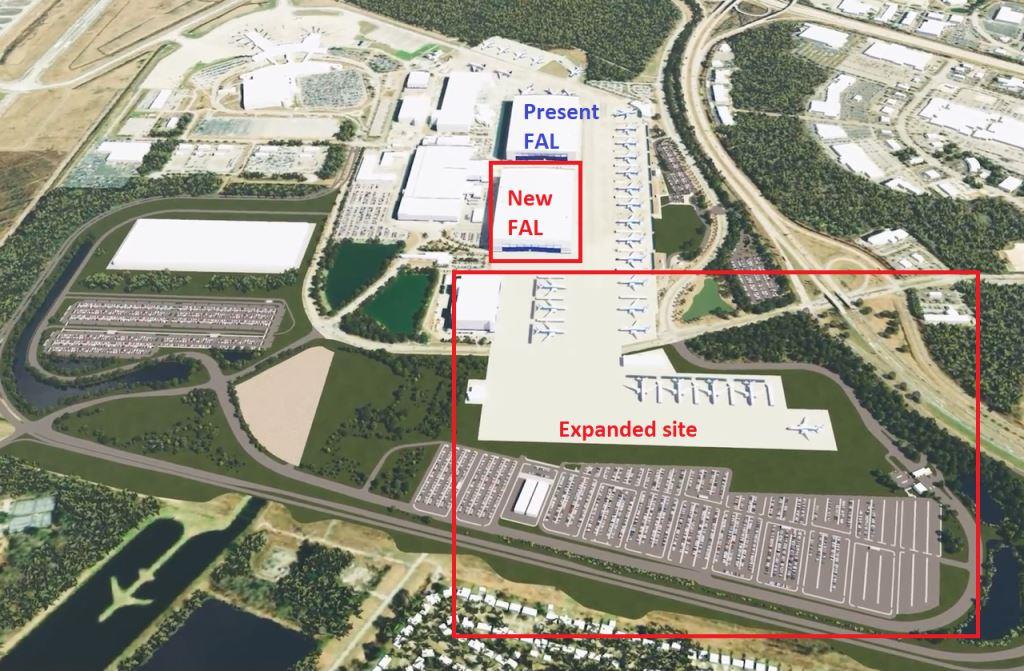
The core finding—that a 10/month Charleston rate is insufficient to restore 787 profitability—matters enormously to airline planners, lessors, and anyone tracking widebody delivery slots. Boeing's billion-dollar second final assembly line in Charleston, effectively doubling capacity, is not a discretionary flex; it's a recognition that the current single-site rate structure cannot generate the margin needed to justify the investment already sunk into the program. LNA's math shows each incremental three-aircraft-per-month bump (moving 10 to 13, for instance) adds over $1 billion in annual gross margin, meaning the difference between operating at 10/month versus a stabilized 14/month is the difference between red ink and a functioning business. For airlines waiting on 787 deliveries—Boeing holds 1,150 unfilled orders—this signals that near-term delivery reliability will remain hostage to Boeing's own need to ramp production faster than its supply chain has proven capable of supporting since 2019. Operators building fleet plans around 787 delivery dates should treat published rate targets with skepticism until Charleston demonstrates sustained output past the 10/month threshold.
The broader industry implication is the accelerating consolidation of widebody production into fewer, larger-scale sites. The decision to end 767 and 777 production for commercial customers by 2027, combined with the 2020 consolidation of 787 assembly solely into Charleston, reflects a strategic bet that scale and single-site efficiency will eventually outweigh the diversification benefits of dual production lines. This mirrors a pattern seen across the industry as manufacturers and suppliers grapple with emissions and noise regulations phasing out older widebody designs while next-generation programs like the 777X face protracted certification timelines. For pilots and flight departments planning long-term fleet transitions, especially those operating or anticipating 777X types, the certification delays combined with production instability on the 787 side suggest continued uncertainty in widebody delivery timing extending well into the 2030s.
For business aviation and cargo operators watching residual values and used widebody markets, Boeing's production struggles have second-order effects: delayed new-build deliveries tend to prop up demand for existing 787 and 777 airframes, sustaining lease rates and values longer than would otherwise be expected. Meanwhile, the revelation that Charleston's expanded footprint could eventually host an entirely new airplane program—once 787 demand tapers with airframe age—hints at Boeing's longer-term product strategy beyond the current MAX/787/777X lineup. For working pilots, the practical takeaway is that BCA's financial health, and by extension its capacity to invest in future programs, remains tightly coupled to unglamorous execution: hitting rate targets, avoiding rework, and delivering aircraft without the disruptions that have defined the post-2019 era. Until that "boring" production discipline materializes at Charleston, Boeing's widebody profitability—and the delivery certainty operators depend on—will remain elusive.






 Read original article