How A Single Test Flight Crash Set Back The B-52J Radar Program By Months
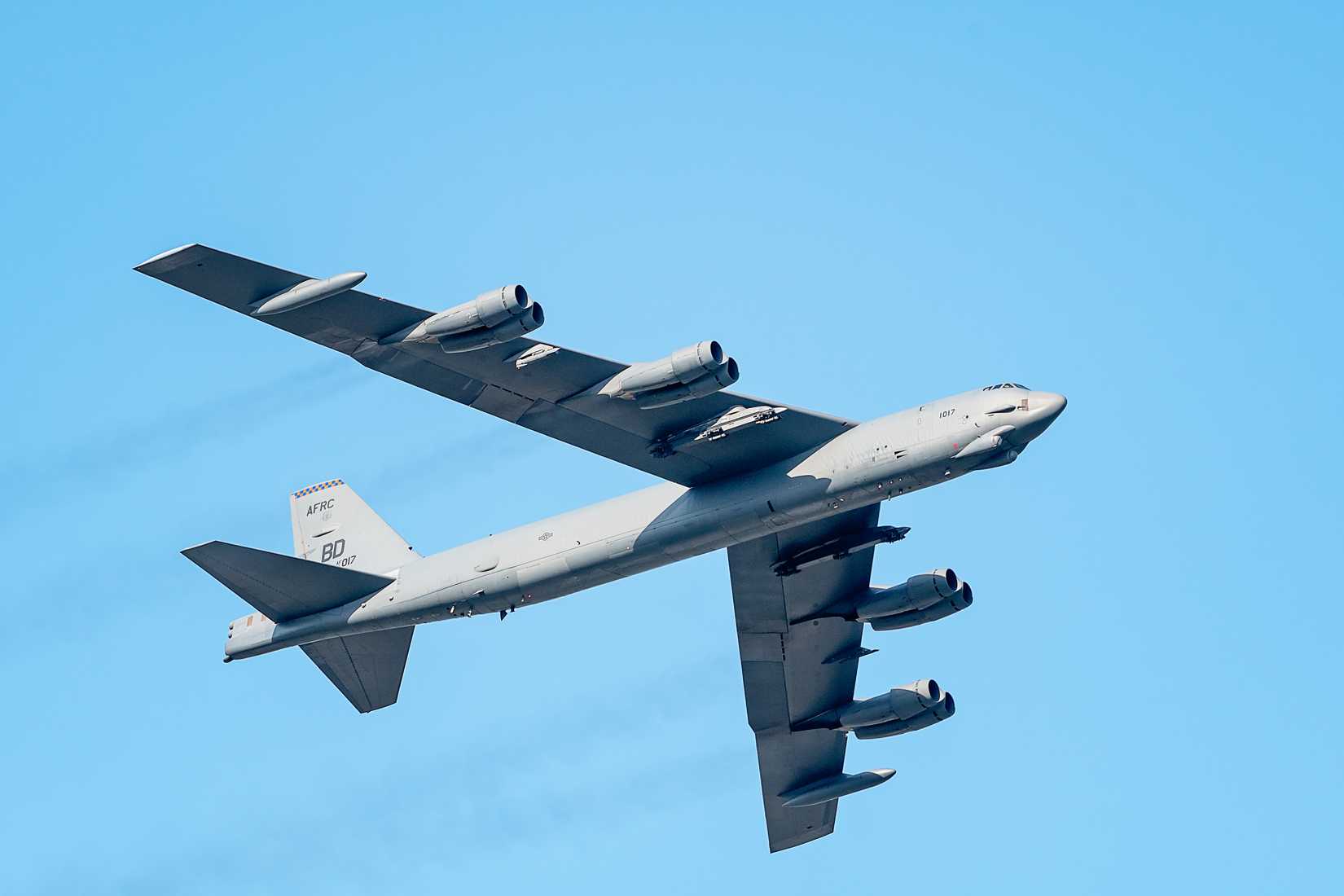
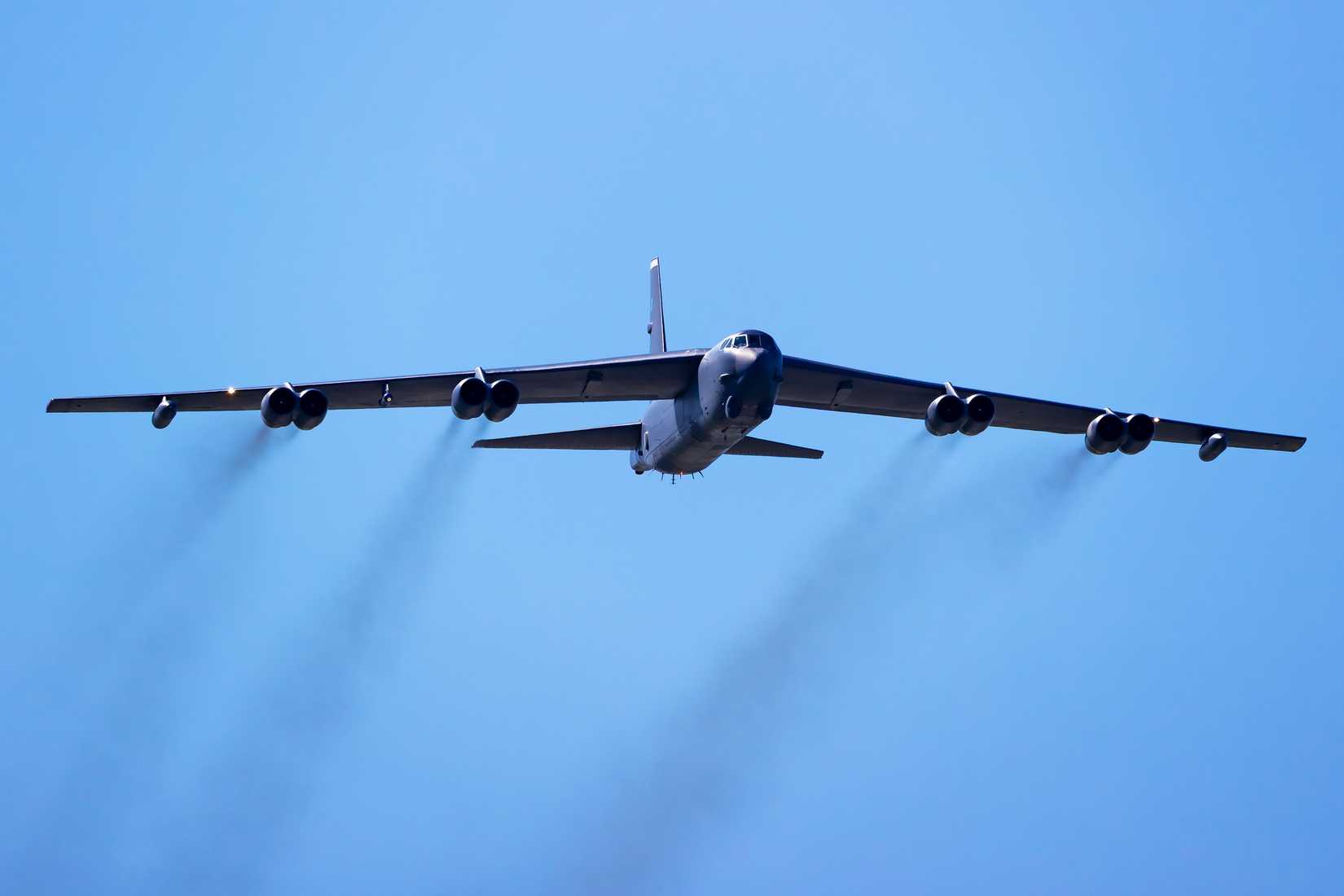
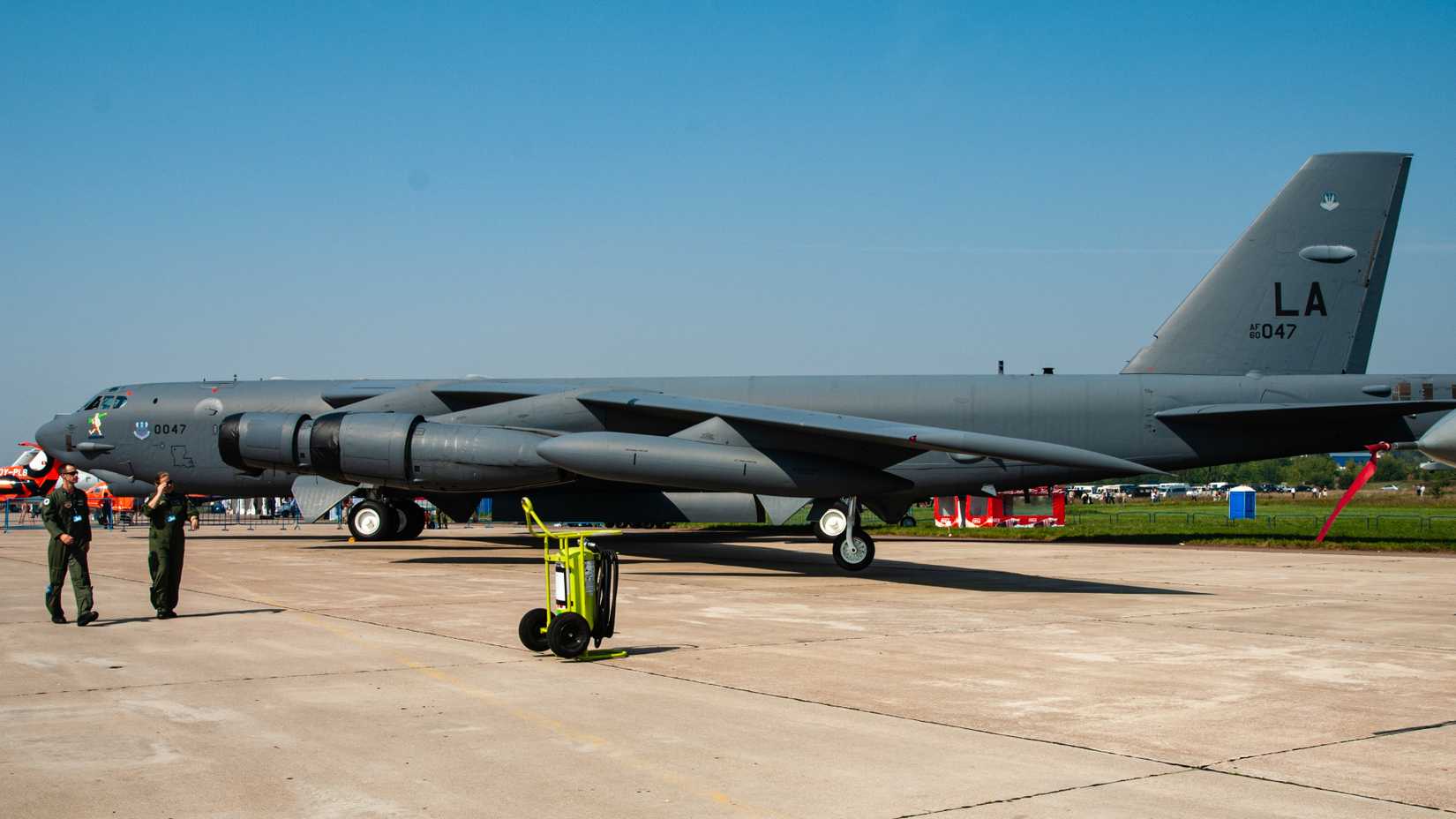
The June 15, 2026 crash of B-52H 60-0061, "Spirit of Aggieland II," near Edwards Air Force Base represents the deadliest Stratofortress accident in over four decades and a significant setback to a modernization program already years behind schedule. All eight occupants died, including two Boeing employees who joined the standard five-person crew for radar test flight duties, after the aircraft reportedly descended at more than 5,000 feet per minute with a near-full fuel load, producing an unsurvivable post-impact fire. With the investigation expected to take up to six months, the AN/APQ-188 AESA radar component of the B-52J program—the only major upgrade installed on this particular test aircraft—now faces additional delay on top of a schedule that had already slipped from an original 2029 in-service date to 2033. For an airframe fleet whose youngest example is over 60 years old, every month of schedule slip compounds sustainment risk on aircraft the Air Force intends to keep flying into the 2050s.
For working pilots, particularly those with military backgrounds or who fly alongside Air Force assets in shared airspace, this accident is a reminder that flight test remains among the highest-risk phases of any aircraft's lifecycle, even for a type with 70-plus years of operational history. Modification and test programs introduce novel failure modes into airframes that operators and maintainers have long since normalized, and integrating new radar, engines, and avionics onto a Cold War-era structure means engineers are essentially re-certifying subsystems whose interactions with 60-year-old airframes are not fully understood until flown. The B-52J program's dual-track structure—separate timelines for the AN/APQ-188 radar and the Rolls-Royce F130 engine—illustrates how modernization efforts on legacy fleets get parceled into discrete engineering problems, each carrying its own risk profile and each capable of derailing the broader schedule independently. The engine effort has already suffered a multi-year delay tied to integration issues before this crash even occurred, underscoring how difficult it is to marry modern high-bypass turbofans and digital avionics to an airframe whose baseline design predates jet-age instrumentation standards entirely.
The business aviation connection here is notable: the F130 is a military derivative of the Rolls-Royce BR725, part of the BR700 family that powers business jets, while the related BR715 variant powers the Boeing 717. This lineage means the same core engine architecture trusted in corporate flight departments and used in commercial short-haul service is being adapted for strategic bomber duty—a cross-pollination between civil/business and military propulsion that happens more often than most pilots realize, and one that speaks to the maturity and reliability Rolls-Royce has built into that engine family across multiple applications.
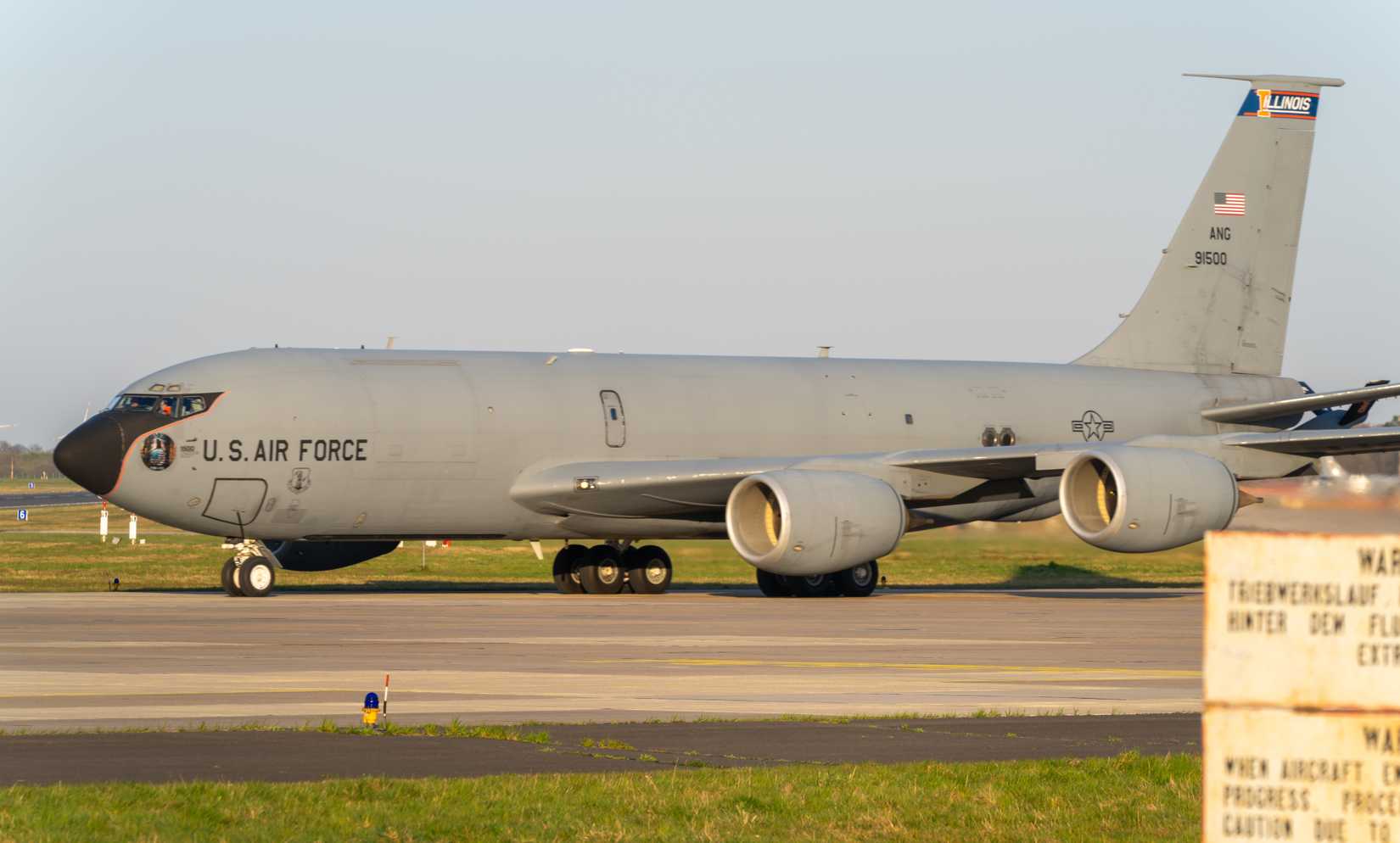
More broadly, the B-52J saga reflects a persistent theme across military and commercial aviation alike: legacy fleet life-extension programs are consistently harder, slower, and more expensive than initial projections suggest, whether the platform is a Stratofortress, a KC-135, or an aging airline widebody undergoing avionics retrofits. The pressure to keep the B-52 flying to nearly the century mark stems from the absence of an affordable replacement platform, a dynamic that echoes challenges seen in commercial aviation, where operators increasingly face life-extension decisions on aging airframes as OEM production bottlenecks and rising new-aircraft costs make fleet renewal slower than planned. For corporate and airline pilots watching defense aviation news, the B-52J program is a case study in how test-flight risk, supply chain and integration delays, and airframe age converge to threaten even well-funded, high-priority modernization efforts—a dynamic with direct parallels to the sustainment challenges facing operators of aging business jets and narrowbody airliners alike.








 Read original article