Not Done Yet: Breeze Airways Schedules Embraer E190 Flights On 9 Routes Over The Next 2 Months
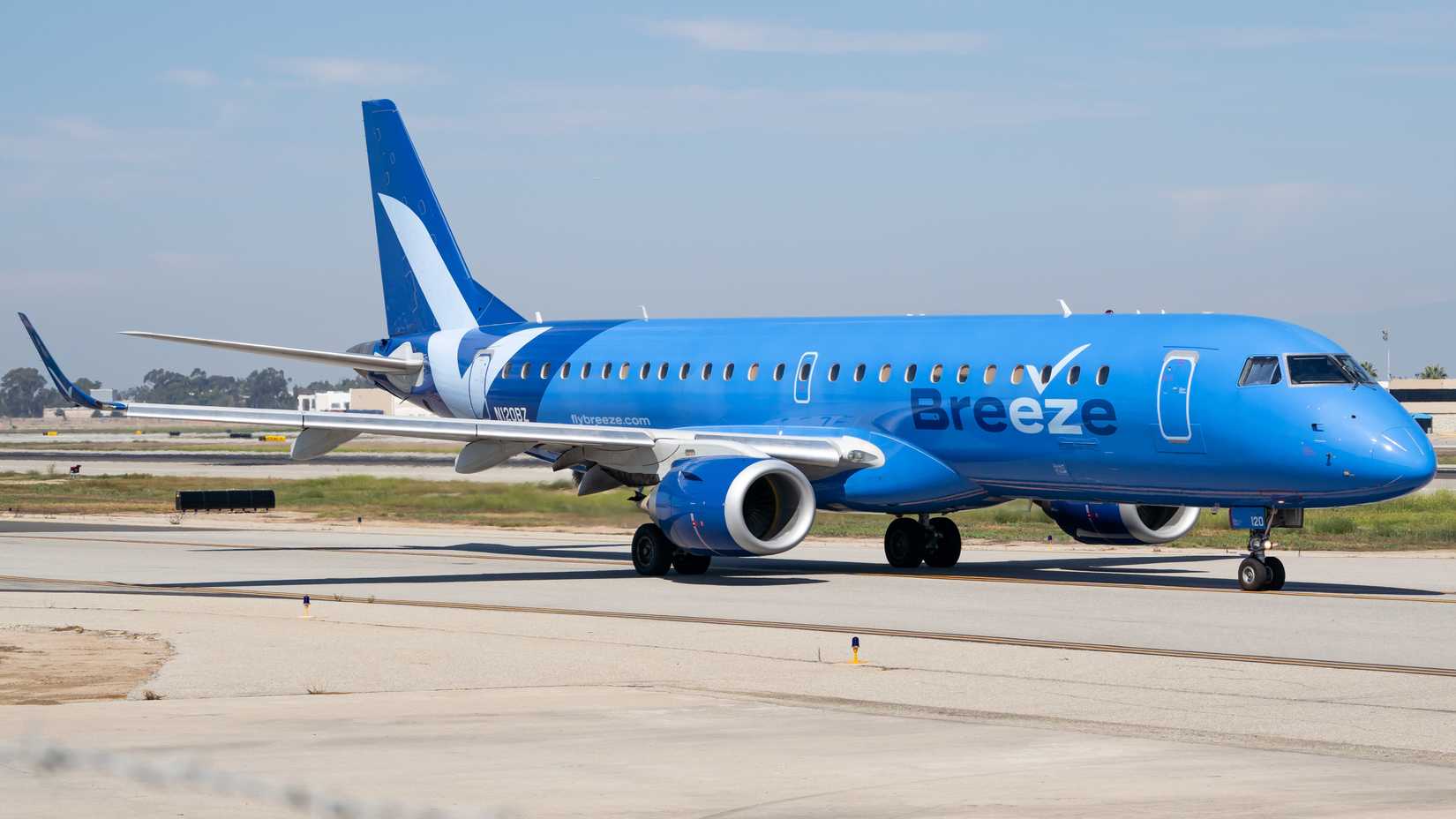
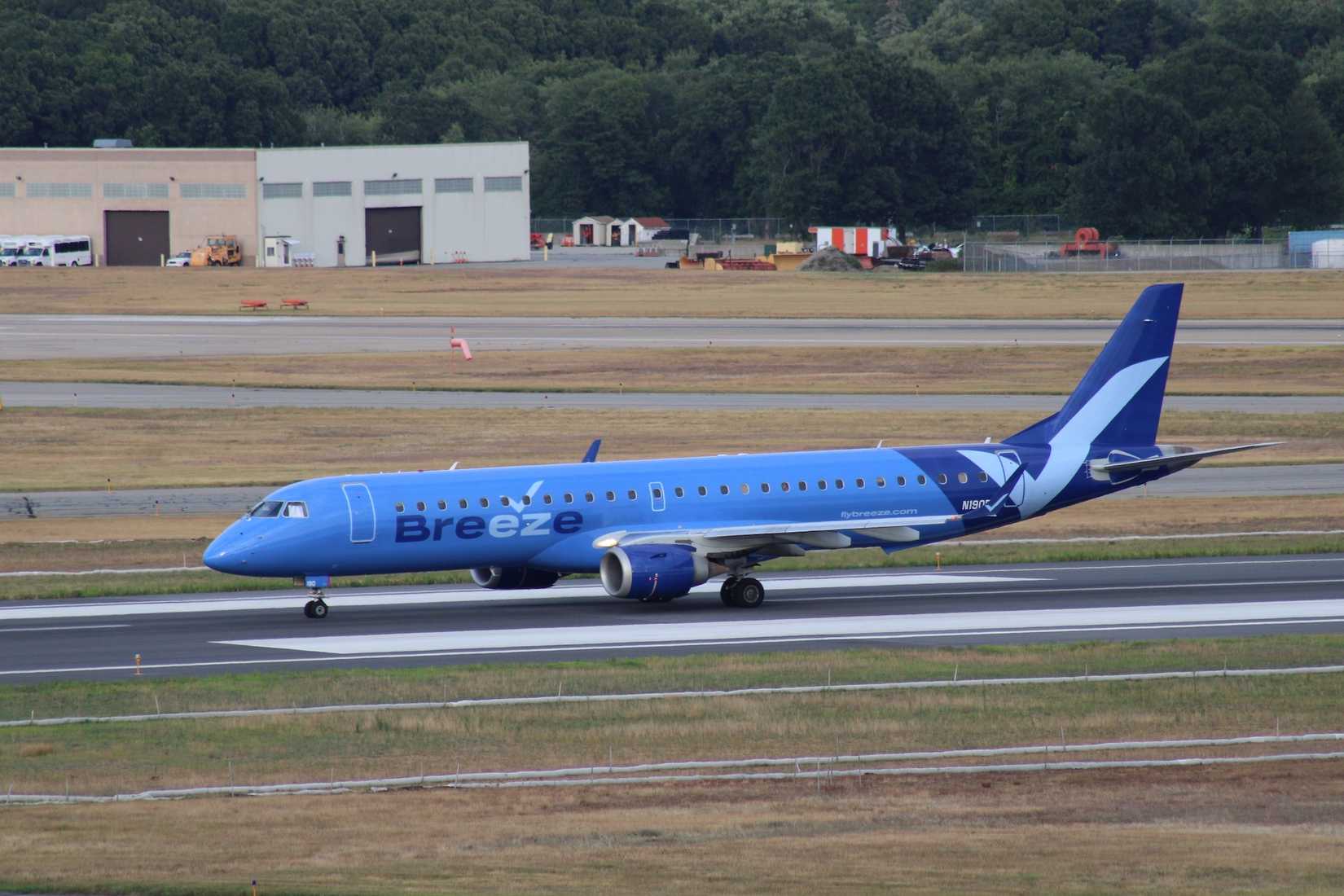
Breeze Airways is winding down its Embraer E190 operation more gradually than its public messaging around an all-Airbus A220-300 fleet would suggest. Per AeroRoutes scheduling data, the carrier has tentatively kept the 108-seat E190 active on nine domestic routes through early September 2026, mixing twice-weekly service on existing leisure markets—Islip-Charleston, New Orleans-Savannah, Westchester County-Myrtle Beach, among others—with a short-lived Labor Day rotation connecting Orlando to New Orleans and Wilmington. This is not a reversal of strategy but a scheduling reality: fleet transitions of this scale rarely happen in a clean cutover, and Breeze is using its remaining E190 capacity to backfill seasonal demand spikes while the A220 delivery pipeline continues to ramp.
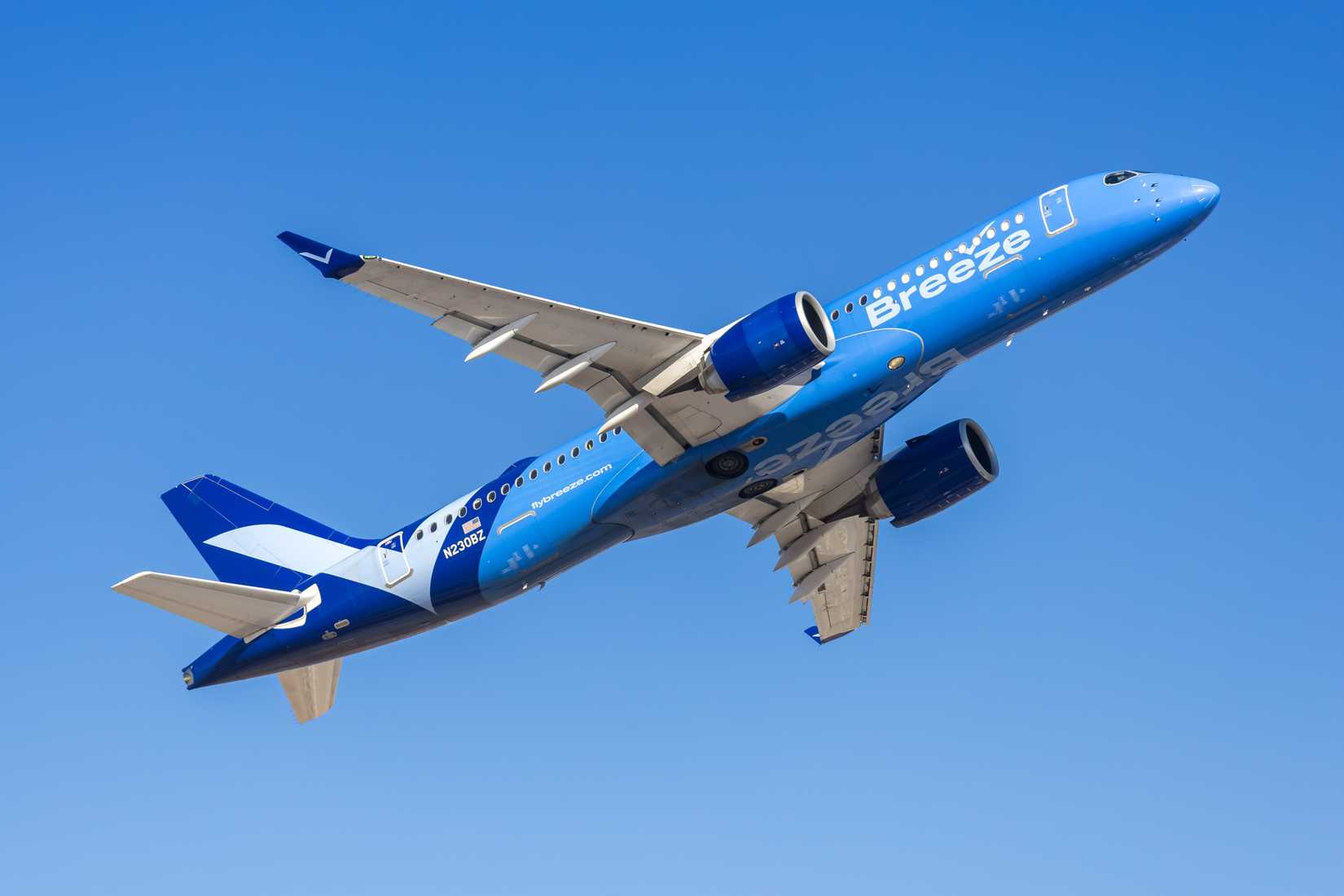
For working pilots, particularly those flying for regional and ULCC-adjacent carriers undergoing type transitions, this schedule is a useful case study in how airlines actually manage dual-fleet wind-downs rather than how they announce them. Breeze has been vocal since 2021 about the A220-300 becoming its backbone aircraft, citing better range, fuel burn, and unit economics on the airline's increasingly transcontinental and long-thin route map. But retiring a fleet type on paper and retiring it operationally are different processes—crew bases, maintenance staffing, spare parts inventories, and training pipelines for the E190/E195 family don't disappear the moment a press release names a successor. Pilots holding E190 type ratings at Breeze, or instructors and check airmen supporting that fleet, should expect the type to persist in a diminishing but real capacity through at least Q3, with schedule volatility likely as aircraft assignments get swapped closer to departure—something the article itself flags as a near-certainty.
The bigger operational lesson here concerns fleet commonality and the tension between growth-stage airlines' need for flexibility versus the efficiency gains of standardization. Breeze's original E190/E195 fleet gave the startup low-risk access to used, readily available jets to launch quickly in 2021; the smaller cabin (108 seats) is now proving useful again as a right-sizing tool for markets that can't yet support A220 frequencies or gauge. This mirrors a pattern seen across the industry—Delta's use of smaller mainline jets on thin routes, or JetBlue's historical E190 deployment before its own A220 transition—where a "legacy" narrowbody sticks around specifically because its lower trip cost makes marginal routes viable that would otherwise be cut or never launched. For network planners and schedulers at other carriers watching Breeze's playbook, this reinforces that dual-fleet operation, while operationally more complex, can extend network reach during a capital-intensive re-fleeting cycle.
Finally, this development is a reminder to line pilots and dispatchers that "sunset" fleet announcements from corporate communications rarely map neatly onto day-to-day scheduling realities. Crews still holding E190 currency at Breeze should not assume near-term furlough or transition timelines based on strategic messaging alone; the type remains revenue-generating and schedule-relevant into September. More broadly, this illustrates why pilots at any carrier undergoing fleet modernization—whether regional airlines retiring CRJs, majors phasing out MD-80/717 remnants, or business aviation operators transitioning legacy Part 25 jets to newer OEM platforms—should track detailed route and tail assignments rather than corporate fleet-strategy statements to gauge actual timelines for training, staffing, and career-path decisions.








 Read original article