This Airline's Premium Economy Has 4 More Inches Of Legroom Than Award-Winning Emirates & Qantas
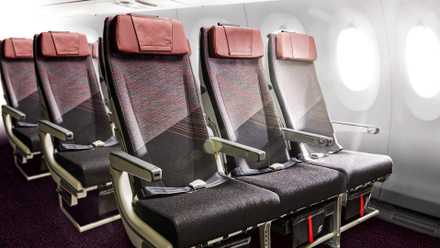
Japan Airlines has staked out a distinct competitive position in the premium economy segment by prioritizing a single, measurable metric over the subjective cabin-quality accolades that typically drive marketing campaigns. With a 42-inch seat pitch across its premium economy cabin, JAL offers four more inches of personal space than the 38-inch pitch found on Emirates and Qantas, both of which were named winners in Airline Ratings' 2026 Best Premium Economy awards. The gap illustrates a familiar tension in aviation product design: awards frequently reward soft-product elements such as catering, service consistency, and finish quality, while seat pitch remains one of the few objective, physically verifiable specifications a passenger can compare across carriers before booking. For an industry segment built largely on marginal differentiation, a four-inch spread is substantial and immediately perceptible to any passenger who has spent ten-plus hours in a economy-class seat.
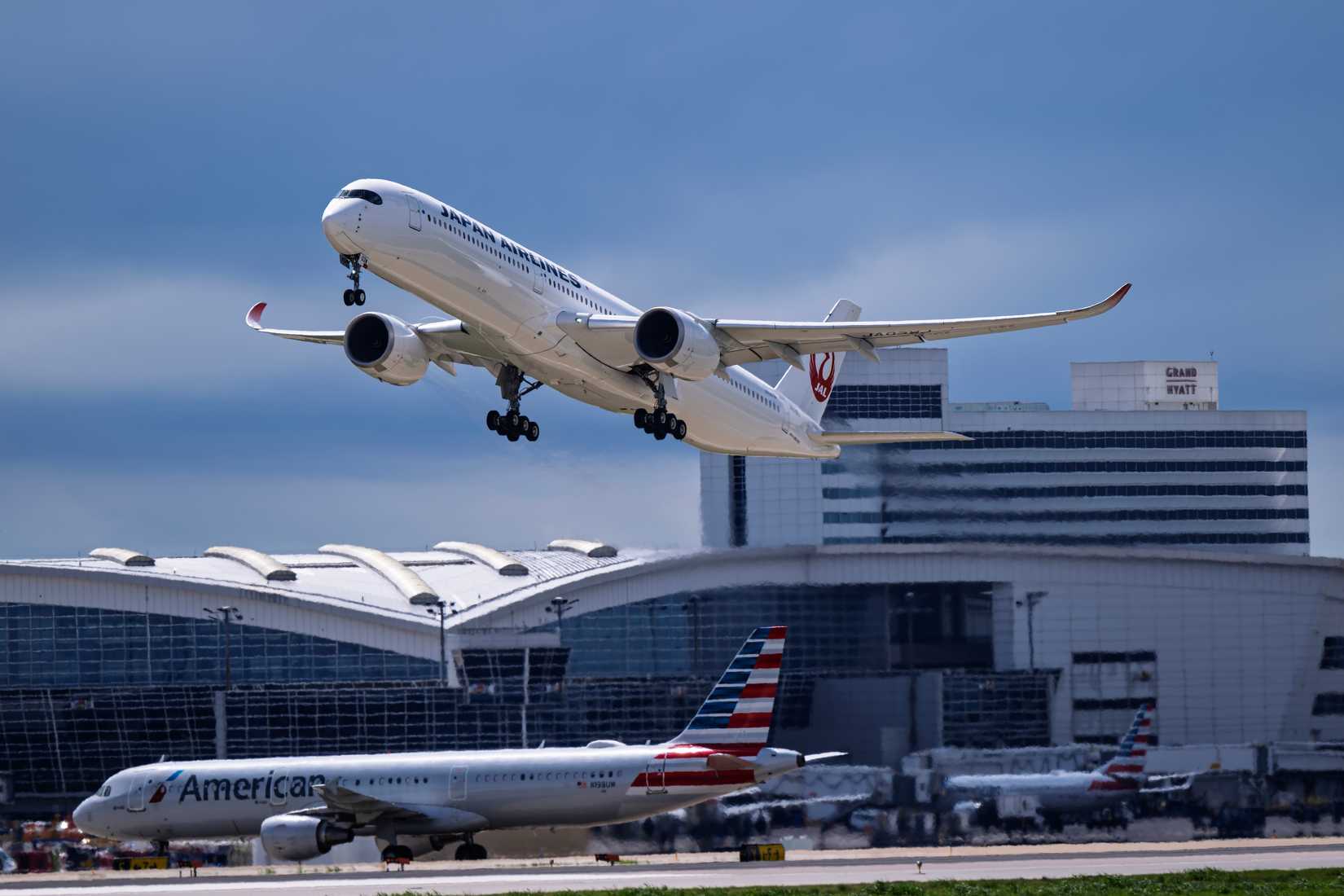
For working pilots and aviation professionals, this story is a useful case study in how airlines are segmenting the widening gap between economy and business class. As mainline economy cabins densify—thinner seats, tighter pitch, higher load factors—premium economy has become the pressure-release valve for carriers seeking incremental revenue without the capital cost of expanding lie-flat business cabins. JAL's move to brand its product as "Business Class Lite," complete with Sakura Lounge access, electrically actuated leg rests, oversized 16-inch 4K monitors, and Bluetooth connectivity on its A350-1000 fleet, reflects a broader recognition that premium economy passengers are increasingly former business-class buyers trading down under cost pressure, not former economy passengers trading up. That shift matters for flight crews and cabin operations alike, since it changes boarding sequencing, galley service loads, and passenger expectations mid-cabin in ways that scheduling and crew-briefing processes need to account for.
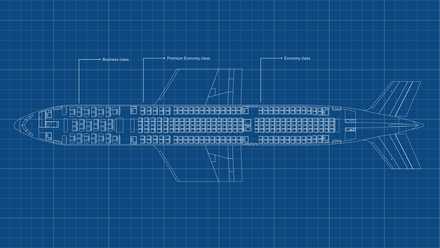
The fleet-specific breakdown—varying premium economy seat counts across the A350-1000, 777-300ER, and two 787-9 configurations—also underscores a persistent operational reality: cabin product is rarely uniform across a carrier's fleet, even under a single marketing banner. Pilots bidding international widebody routes, and dispatchers or schedulers coordinating aircraft swaps, routinely encounter this kind of intra-fleet variation, which can affect everything from weight-and-balance assumptions tied to premium cabin configurations to catering and turn-time planning. It's a reminder that "premium economy" is not a standardized product globally, unlike, say, ICAO-mandated cockpit equipment or ETOPS certification—cabin specifications remain entirely at each carrier's discretion, creating inconsistency that affects both revenue management and passenger experience predictability.
More broadly, this development tracks with a trend playing out across long-haul commercial aviation and even bleeding into business aviation's charter and fractional markets: the commoditization of comfort as a competitive differentiator. As twin-aisle aircraft like the 787 and A350 extend ultra-long-haul route networks—Tokyo to Europe and North America being a prime example—operators are discovering that raw cabin dimensions, not just service scripts or amenity kits, drive premium bookings on routes exceeding ten or twelve hours. Expect competitors to respond either by matching pitch dimensions or by doubling down on soft-product differentiation, a bifurcation that mirrors the broader business jet market's own split between cabin size/range specifications and in-flight service quality. For corporate flight departments and charter operators evaluating widebody options for long-range international work, JAL's strategy is a useful signal that measurable cabin ergonomics increasingly outweigh subjective award recognition in shaping customer loyalty on long-haul segments.
















 Read original article