Cirrus Unveils TRAC10 Trainer Designed For Flight Schools
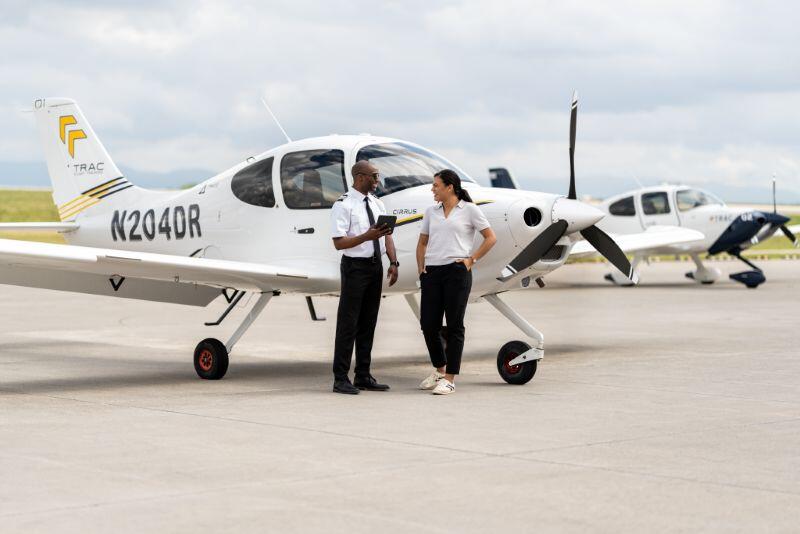
Cirrus Aircraft has officially launched development of the TRAC10, a purpose-built three-seat training aircraft aimed squarely at the flight school and collegiate aviation market. With first customer deliveries targeted for 2027 in the U.S. and 2028 internationally, and a base price starting at $499,900, Cirrus is signaling a deliberate move to formalize and expand its presence in the primary flight training segment, an area historically dominated by legacy piston trainers like the Cessna 172 and newer entrants such as the Diamond DA40 and Piper Archer TX. The TRAC10 designation and its explicit orientation toward professional and collegiate flight programs suggest Cirrus is building a dedicated variant distinct from its SR20/SR22 line, likely optimized for the durability, cost structure, and mission profile that Part 141 and university aviation programs demand.
For working pilots and flight training organizations, this launch matters because the primary trainer market has been under sustained pressure from parts availability, rising acquisition costs, and fleet-age challenges as flight schools try to keep pace with growing pilot demand. Airlines and regional carriers depend on a healthy pipeline of ab initio training capacity to feed first officer hiring, and any bottleneck at the flight school level ripples upstream into commercial staffing timelines. A new-production trainer priced under $500,000 that carries the Cirrus brand—already deeply associated with the Cirrus Perspective avionics suite, parachute-equipped safety systems (CAPS), and a strong flight training ecosystem through the Cirrus Approach curriculum—could give flight schools a modern, technologically consistent option that bridges primary training and eventual transition into SR-series or turbine aircraft, reducing training friction across a student's progression.
Strategically, this move also reflects Cirrus's broader positioning ahead of its previously announced public offering and continued diversification beyond the SR series and Vision Jet. Entering the dedicated trainer segment expands Cirrus's total addressable market into flight academies, university programs, and possibly military/foreign training contracts, sectors where Textron (via Cessna and now the Skycourier/Denali ecosystem), Diamond, and Piper have competed for years. A three-seat configuration is notable in itself—most trainers are two- or four-seat—potentially reflecting a design compromise aimed at instructor-plus-two operations, reduced weight, or cost optimization while still supporting multi-crew or observer scenarios common in structured syllabi.
More broadly, the TRAC10 announcement fits into an industry-wide trend of OEMs investing in new trainer aircraft as the global pilot shortage narrative continues to drive fleet renewal decisions at collegiate and commercial training providers. As airlines, business aviation operators, and Part 135 companies compete for qualified pilots, the health and modernization of the training aircraft fleet upstream becomes a strategic concern, not just a general aviation footnote. Cirrus entering this space with a clean-sheet trainer, backed by its established safety culture and integrated syllabus ecosystem, could accelerate fleet modernization decisions at flight schools weighing whether to recapitalize aging Skyhawks and Archers or commit to a new-generation, glass-cockpit-native training platform.






 Read original article