10 Of The Most Comfortable Economy Class Seats You Can Book Today
The 2025 Skytrax World Airline Awards data cited in this roundup—Turkish Airlines, Hainan Airlines, STARLUX, Emirates, and EVA Air, among others—underscores a broader shift in how carriers are competing for premium-economy-adjacent loyalty within the standard cabin. What separates the top performers is not marketing language but measurable product decisions: seat pitch in the 32-34 inch range versus the industry-standard 30-31, "bookshelf" overhead bin designs that free floor space, shape-memory cushioning, and consistent USB/power availability at every seat. For pilots and flight operations staff, this list is a useful proxy for understanding which carriers are treating cabin experience as a retention and yield strategy rather than a cost center, a distinction that increasingly shows up in fleet planning, route economics, and crew training investment.
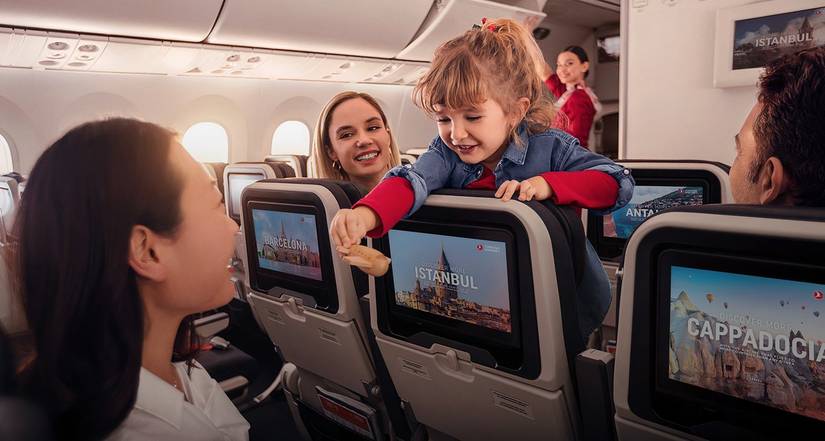
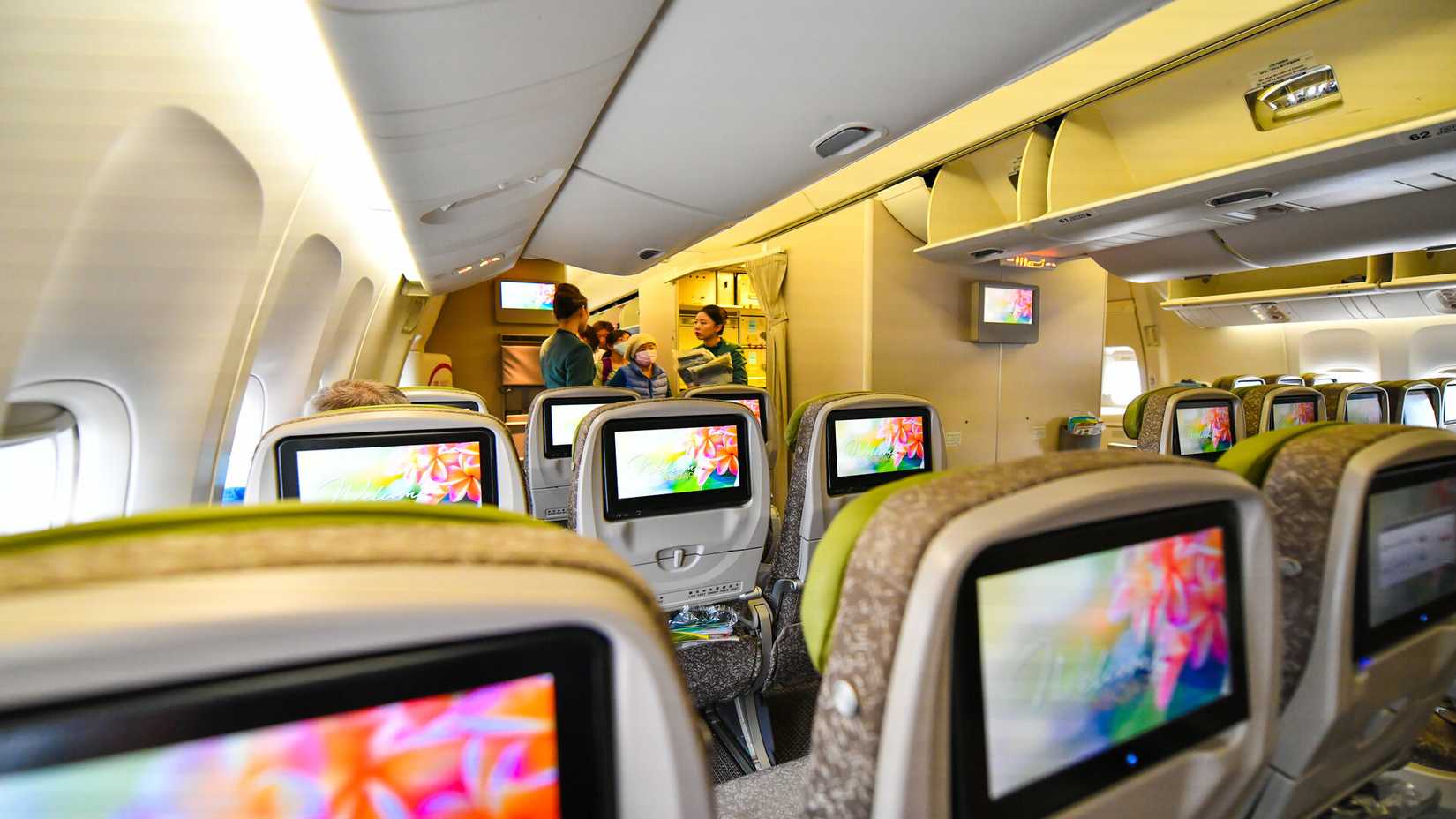
The aircraft-type caveat embedded in the Turkish Airlines section—787 and A350 delivering meaningfully better cabin comfort than legacy 777s—is the single most operationally relevant point in the piece for flight crews and dispatchers. Type-specific cabin variance affects everything from turn times and boarding flow to passenger complaint volume and connection stress, all of which feed back into on-time performance metrics that crews experience directly on the line. As airlines phase older 777s and A330ceos out in favor of 787s, A350s, and A321neos, the comfort gap between "legacy" and "current-generation" widens, giving network planners another data point for retirement timing decisions that ultimately affect which equipment a given crew base will be flying five years from now.
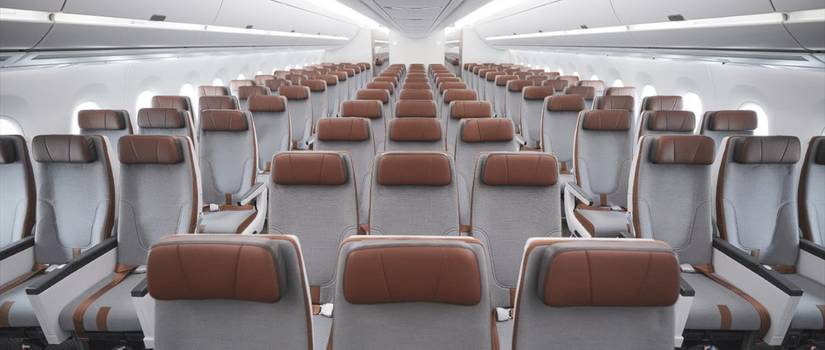
STARLUX's inclusion is particularly notable from an industry-trend perspective: a startup carrier launched in 2020, flying an all-new A350/A321neo fleet, positioning itself explicitly as a boutique long-haul operator out of Taipei to the U.S. West Coast. This mirrors a pattern seen elsewhere in Asia and the Gulf—new entrants using fleet homogeneity and cabin design as a market-entry differentiator rather than competing purely on price or frequency. For pilots evaluating career moves internationally, or for corporate flight departments benchmarking service standards against commercial carriers their executives fly, this signals that newer, smaller international operators are increasingly competitive on product even without the scale of a Turkish Airlines or Emirates.
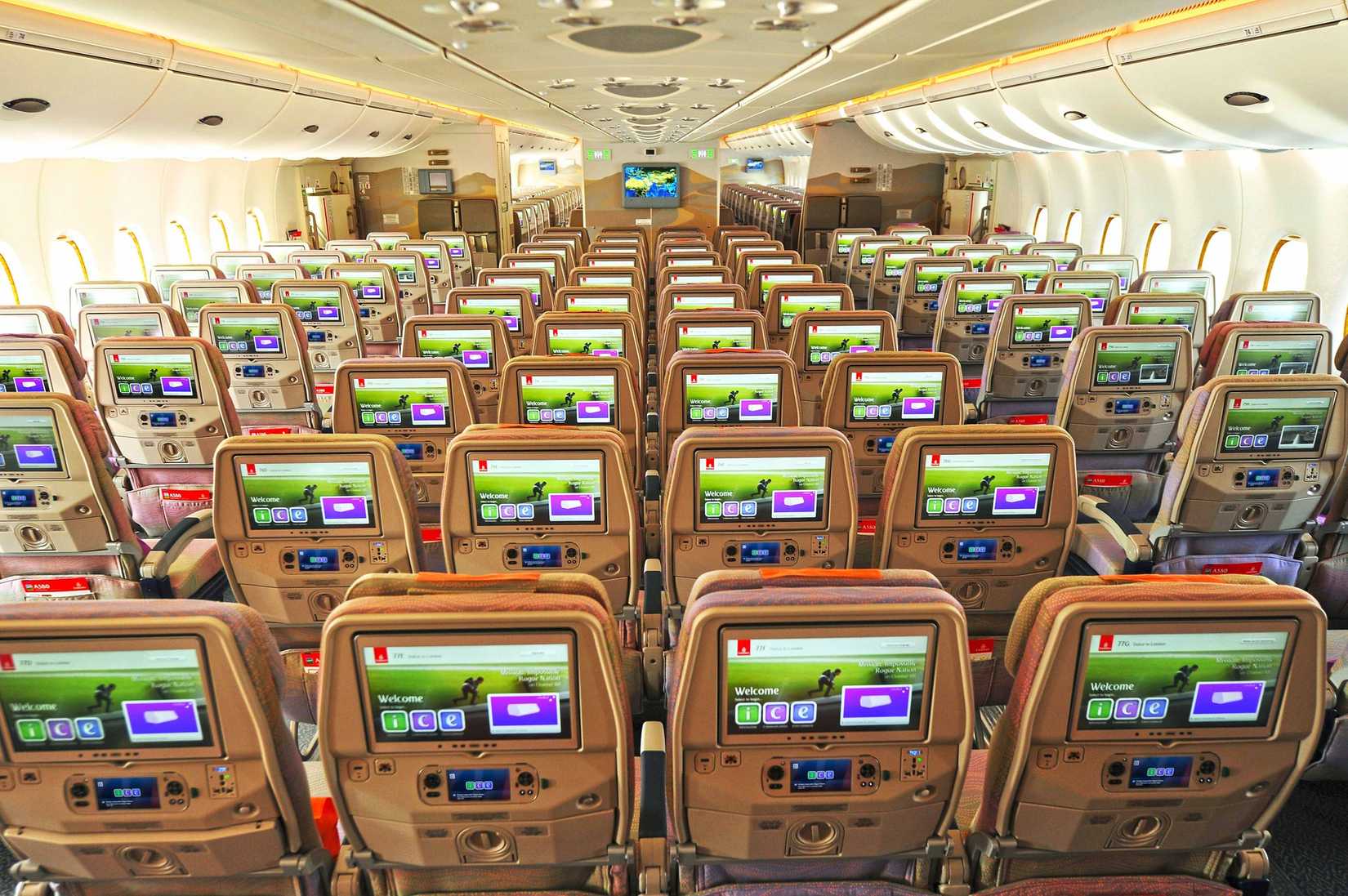
Emirates' six-week ground school detail is a useful reminder that cabin comfort rankings are inseparable from crew training investment, not just hardware. Cabin crew standards, service consistency, and passenger-handling training are as much a differentiator as seat pitch, and airlines that rank highly in Skytrax surveys typically invest disproportionately in both simultaneously. For flight crews and check airmen, this reinforces a broader industry trend: as aircraft cabins converge toward similar hardware specs across manufacturers, service delivery and crew training quality become the primary remaining lever for differentiation—a dynamic already well understood in the business aviation and Part 135 charter world, where cabin crew training and passenger experience are core competitive metrics rather than afterthoughts.









 Read original article