Limits: Qantas' Perth–London Flight Sits At The Absolute Edge Of What A Boeing 787 Can Physically Do
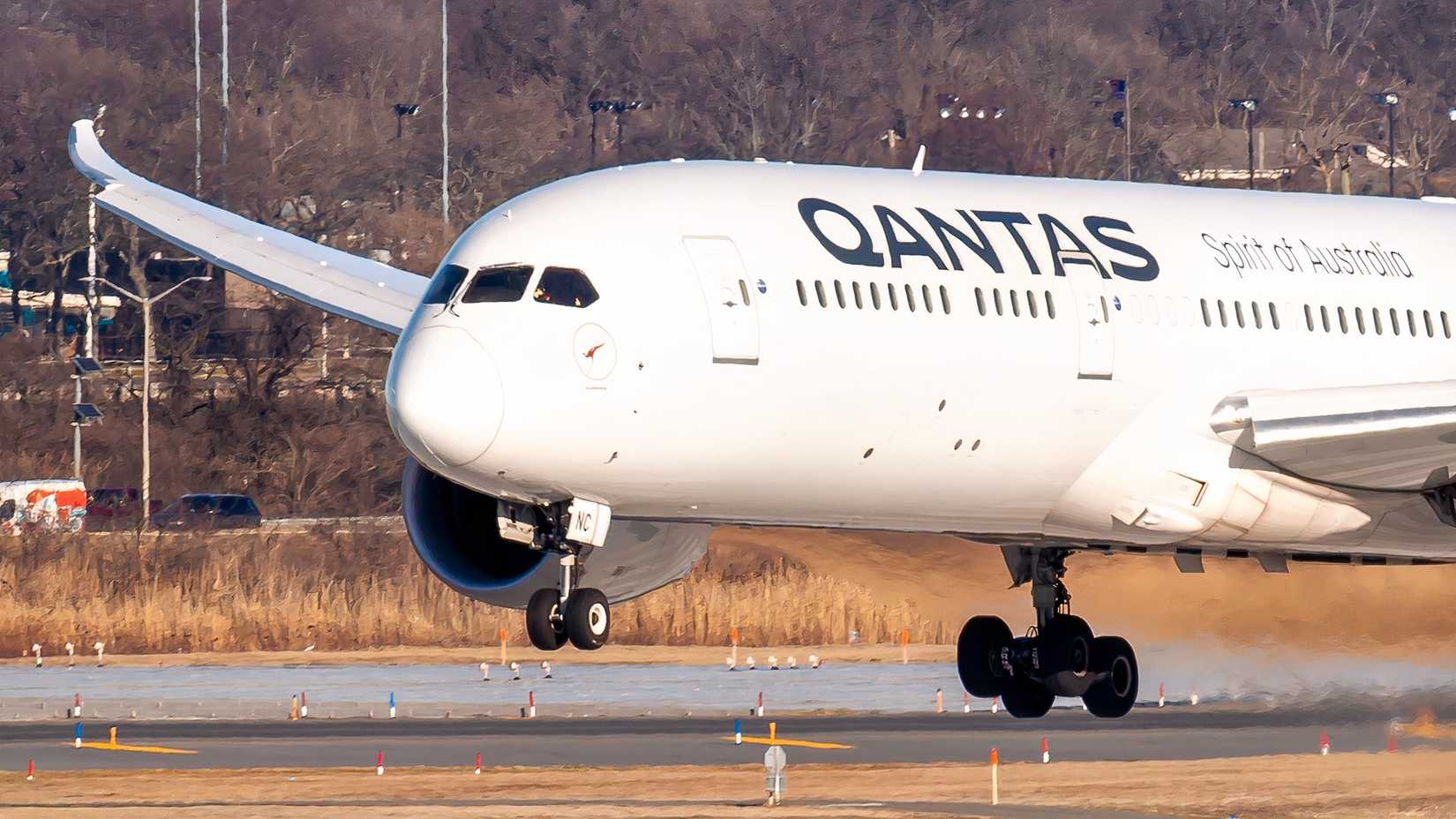
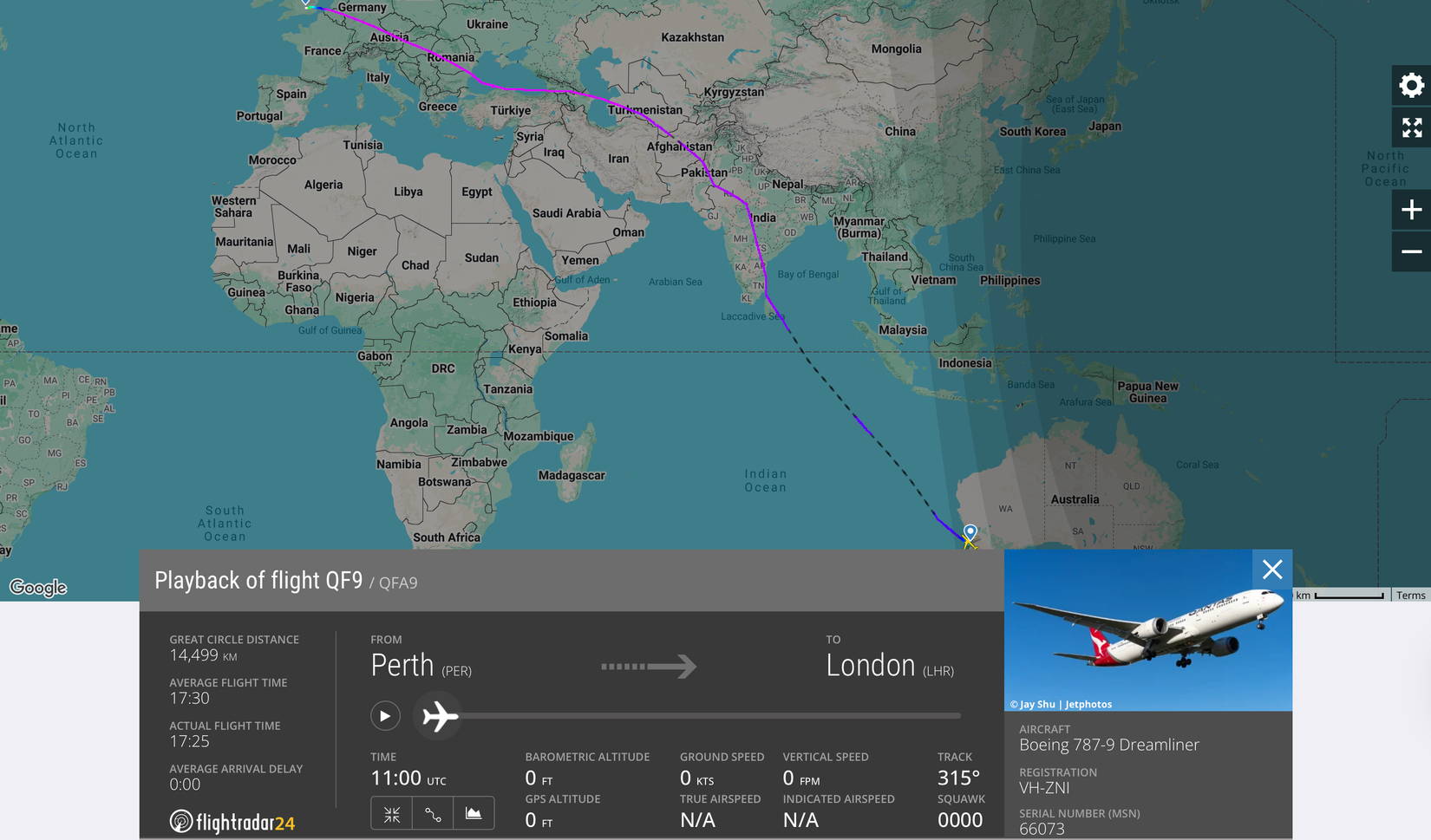
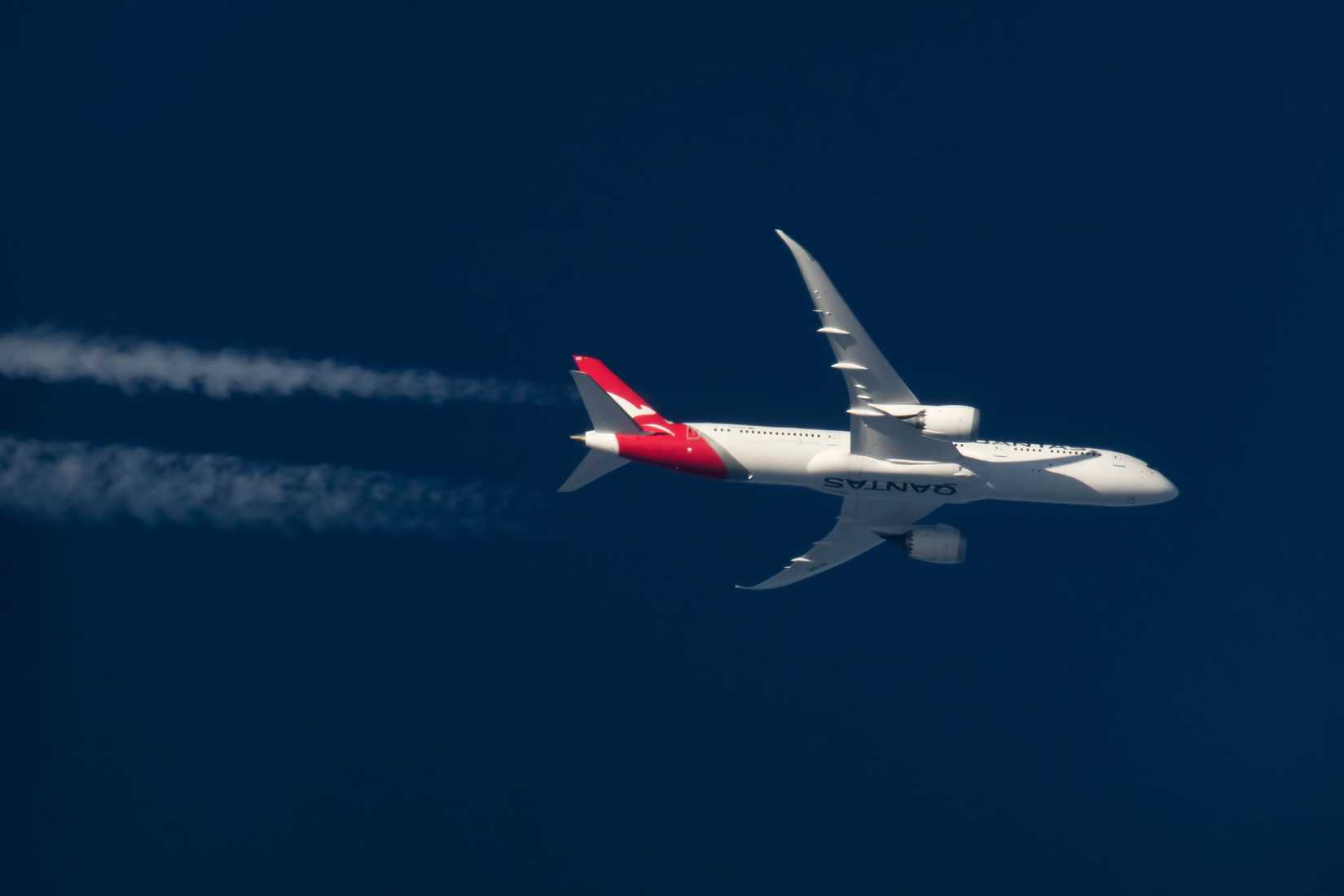
Qantas' Perth-London service (QF9/QF10), operating with a Boeing 787-9 across roughly 7,829 nautical miles and averaging 17.5 hours of flight time, remains the longest-distance nonstop route available to economy passengers anywhere in commercial aviation. But the operational reality behind this marquee route is far more constrained than the marketing suggests. While Boeing and Qantas publish a theoretical range figure of up to 7,830 nautical miles for the 787-9, that number reflects idealized conditions—benign temperatures, favorable winds, and standard reserve assumptions. QF9 operates so close to that theoretical ceiling that virtually every variable affecting weight and range becomes operationally significant, a dynamic largely invisible to passengers but central to how the flight is planned and executed every single day.
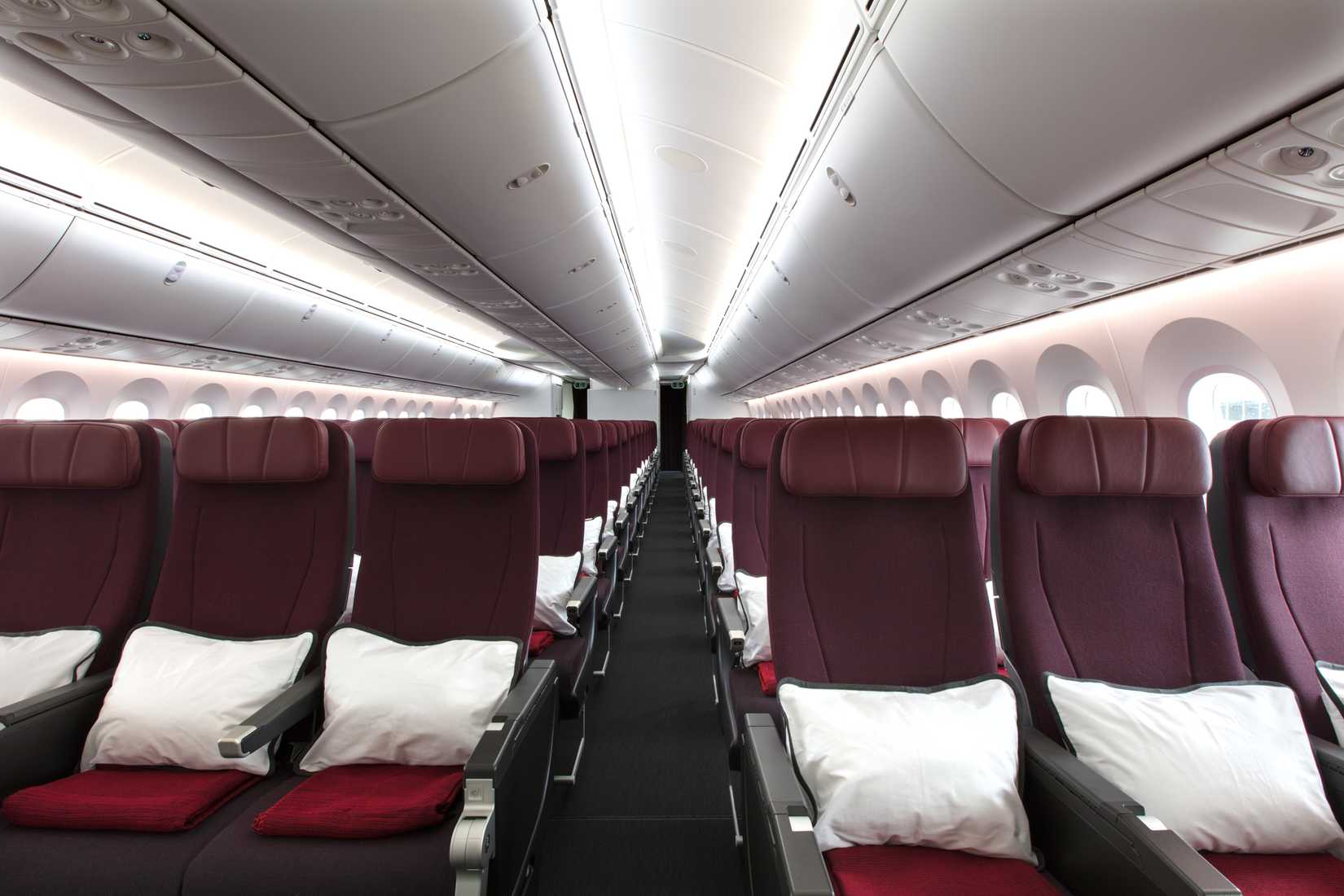
The fuel temperature issue illustrates just how thin these margins actually are. Because jet fuel expands with heat, the 787-9's fixed-volume tanks hold measurably less fuel mass on a hot Perth afternoon (around 30°C) than they would at 15°C—a difference of roughly 3,300 lb per the cited Analytic Flying analysis. On a typical medium-haul sector, that kind of variance would be operationally invisible, absorbed within normal dispatch tolerances. On an ultra-long-haul sector already flying at the edge of its performance envelope, it can directly force payload reductions. This is why QF9 has reportedly averaged around 219 occupied seats against a capacity of 236, with dips to roughly 203 during warmer periods—empty seats that reflect weight-and-balance math rather than soft demand. For dispatchers, flight planners, and crews, this means the route requires continuous, granular reassessment of fuel loads, cargo, catering, and even passenger counts based on forecast conditions at time of departure, not static assumptions baked into a schedule.
For working pilots and flight operations professionals, this case is a useful reminder that published aircraft range figures are marketing and engineering benchmarks, not operational guarantees. Real-world dispatch always accounts for temperature, wind, routing restrictions, alternate requirements, and regulatory fuel reserves, but on routes like QF9 the buffer between "achievable" and "required" shrinks to near zero. That has direct implications for how crews brief performance-limited departures, how dispatch and operations control coordinate last-minute payload trims, and how airlines communicate load restrictions to commercial and revenue management teams. It also underscores the value of robust performance software and real-time weight-and-balance tools, since manual rules of thumb that work on domestic or regional sectors simply don't scale to a 17.5-hour ultra-long-haul mission where every kilogram is contested.
More broadly, QF9 is a preview of challenges the industry will face as airlines push toward even longer nonstop city pairs—Qantas' own Project Sunrise, along with ultra-long-haul ambitions from Singapore Airlines, Air India, and others, will only intensify this tension between theoretical range and real-world constraints. As next-generation aircraft like the 787-9, A350-1000ULR, and eventually purpose-built ultra-long-haul variants extend the boundaries of nonstop flight, operators will increasingly need to treat weight, temperature, and payload optimization as dynamic, day-of-operation variables rather than static planning inputs. Perth-London demonstrates that the future of ultra-long-haul flying isn't simply about aircraft capable of covering the distance—it's about airlines mastering the razor-thin operational margins that come with flying at the true edge of what modern jets can do.









 Read original article