What Flight Attendants Do The Second The Boarding Door Closes That Passengers Never See
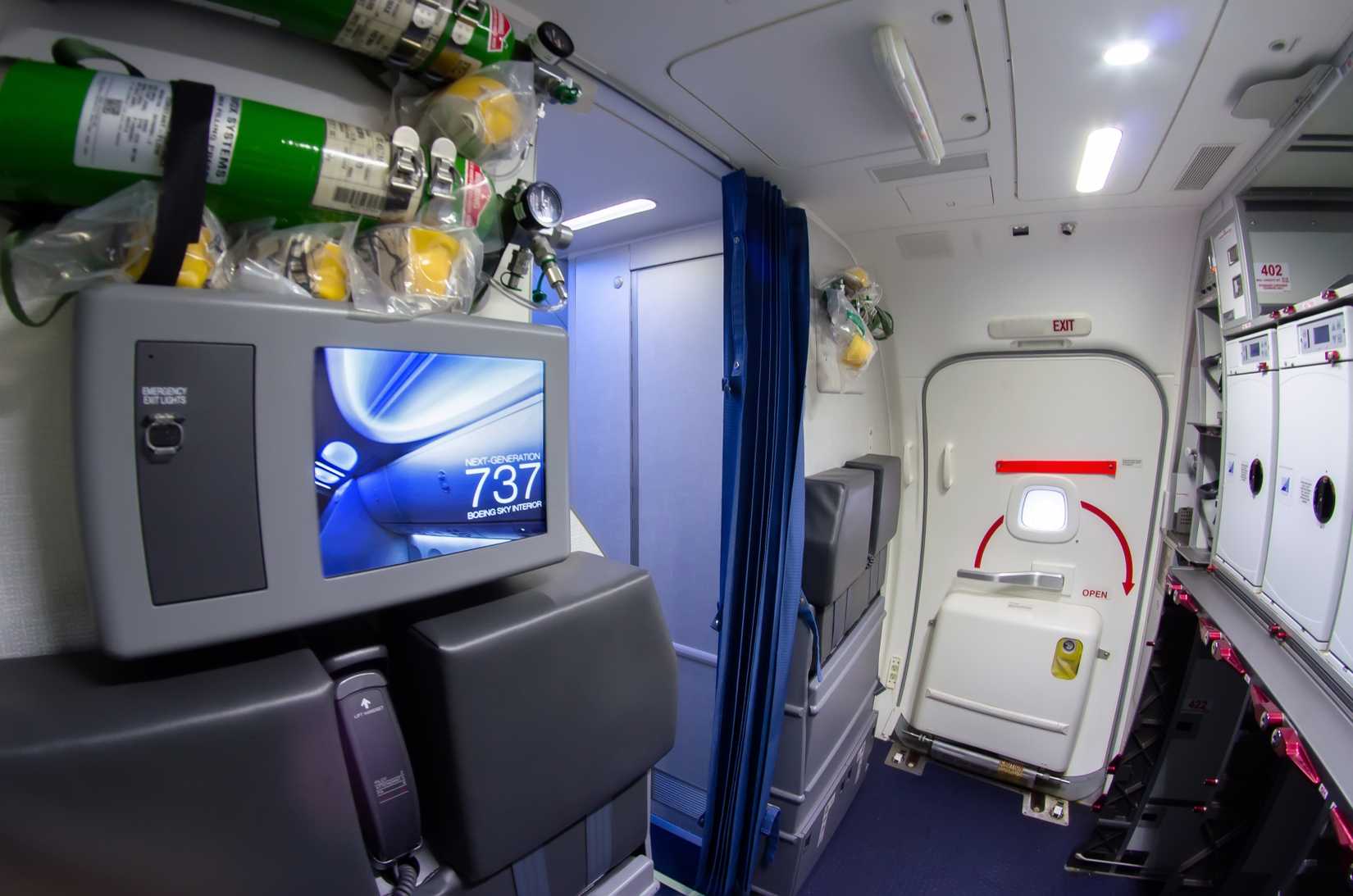
The article, penned by a veteran cabin crew member and human factors specialist, revisits one of aviation's most routine yet critical procedures: the arming and disarming of aircraft doors before and after flight. While passengers hear "cabin crew, arm doors and cross-check" as background noise before takeoff, the procedure represents a carefully choreographed safety redundancy designed to ensure that evacuation slides deploy automatically within seconds if a door is opened in an emergency. The cross-check element—where crew members verify each other's door status—is a textbook example of layered error-trapping, a principle deeply embedded in modern Crew Resource Management (CRM) and Threat and Error Management (TEM) frameworks that flight crews on the pointy end will recognize as philosophically identical to checklist cross-verification on the flight deck.
For working pilots, this article is a useful reminder that the cabin is not merely a service compartment but a parallel safety system operating in lockstep with the flight deck, governed by its own rigorous procedural discipline. The "doors to automatic" call is one of the few moments where flight deck and cabin crew explicitly synchronize a safety-critical configuration change, and it underscores why captains and first officers should never treat the door-arming confirmation as a throwaway callout. A misconfigured door—armed when it shouldn't be, or not armed when it should—has produced real incidents, including inadvertent slide deployments on the ramp that have injured ground crew and delayed departures. Pilots who understand the mechanics behind the girt bar, visual indicators, and cross-check redundancy are better equipped to recognize anomalies reported by cabin crew and to appreciate why a "doors disarmed" confirmation is a hard gate before any post-landing door opening, especially at unfamiliar gates or during ground emergencies.
The broader context here ties into an industry-wide shift toward recognizing cabin crew as safety professionals rather than service personnel, a reframing pushed by ICAO's Cabin Safety Program and IATA's Cabin Operations Safety Guide over the past decade. This matters operationally because airlines increasingly integrate cabin crew training into broader Safety Management System (SMS) frameworks, meaning door-arming discipline, pre-flight security sweeps, and evacuation readiness are now subject to the same data-driven auditing and just-culture reporting that pilots' technical performance receives. For flight departments and airline safety officers, the article is a reminder that 90-second evacuation certification standards and door-configuration errors remain a recurring focus of regulatory scrutiny, and that joint pilot-cabin crew emergency drills—not just individual group training—are essential to closing gaps that checklists alone cannot catch.
For business aviation and Part 135/91K operators, where cabin crew (if carried at all) may be a single flight attendant or where pilots themselves handle door configuration, the piece is a useful cross-training touchpoint. Single-pilot and light-crew operations often lack the built-in redundancy of a cross-check, making individual procedural discipline around door arming even more critical. As cabin safety standards continue to professionalize industry-wide—with EASA, FAA, and ICAO all pushing updated cabin crew competency frameworks—expect continued emphasis on treating these "invisible" procedures, from door arming to pre-flight equipment checks, as core safety metrics rather than background ritual, reinforcing that every crewmember, cabin or flight deck, shares equal ownership of the aircraft's safety chain from door closure to door opening.






 Read original article