Breaking: Pakistan Cargo Boeing 737 Goes Missing; Search & Rescue Underway
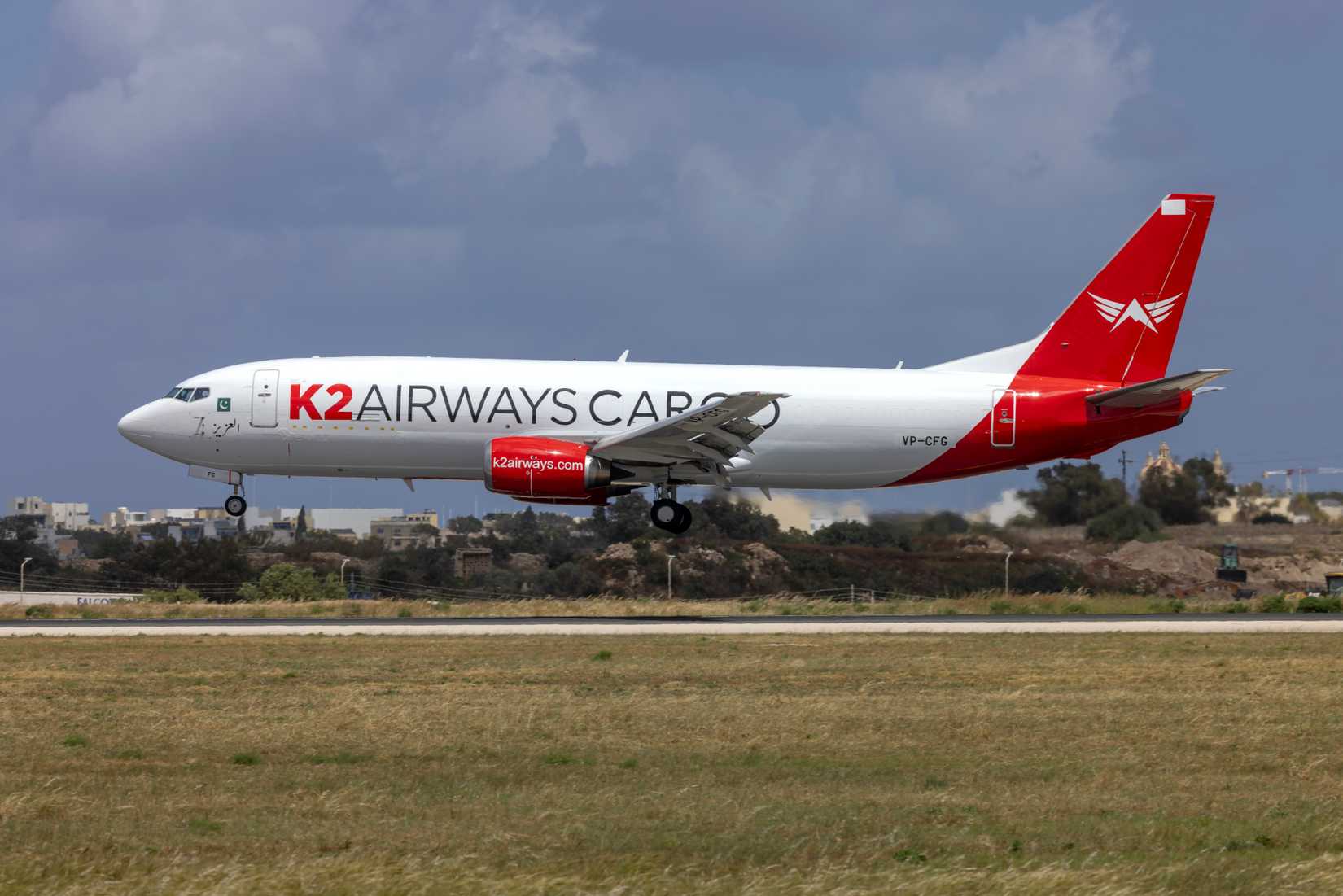
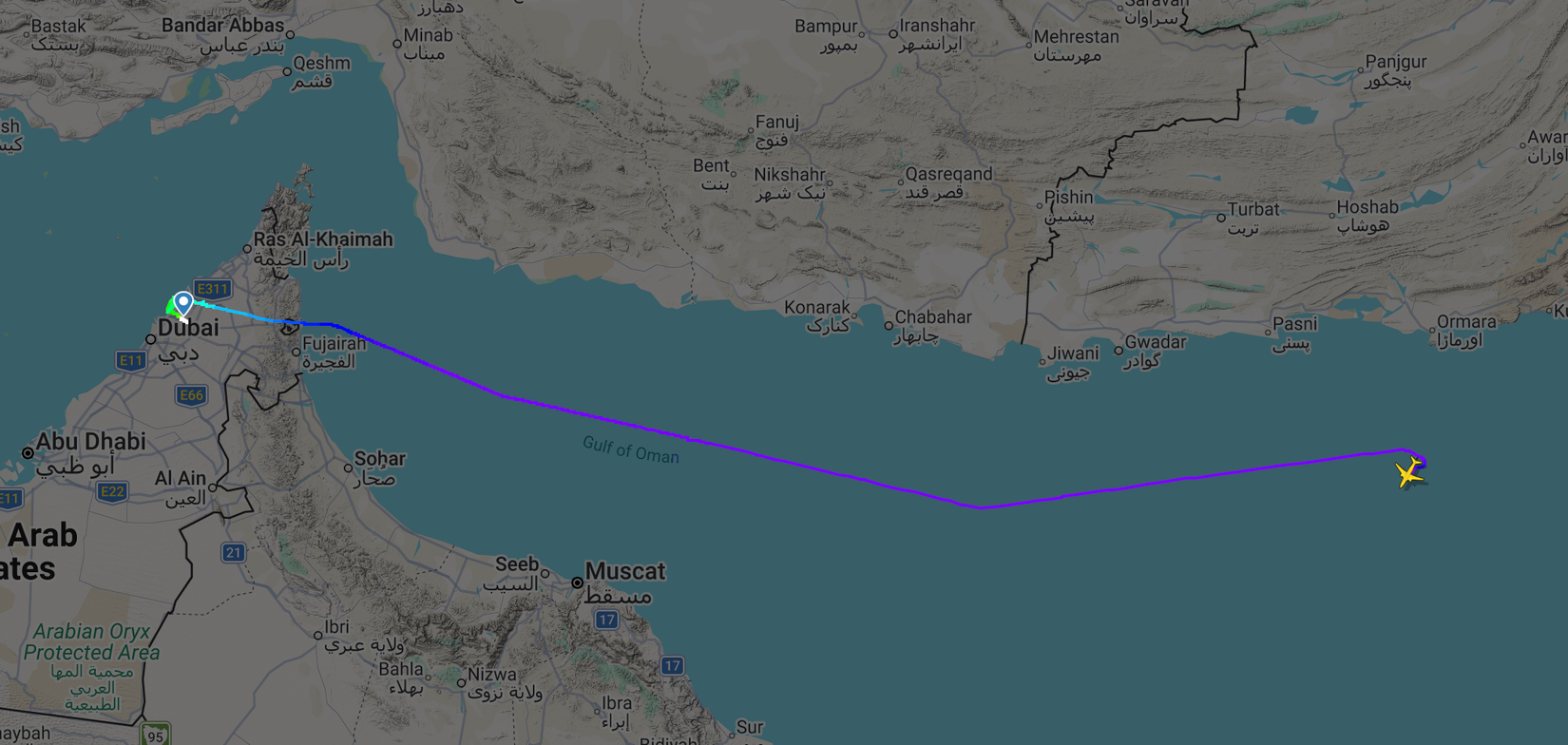
A K2 Airways Boeing 737-400 freighter, registration AP-BOI, disappeared from radar late Tuesday, July 7, roughly 155 nautical miles west of Karachi while operating cargo flight KTA1732 from Sharjah to Jinnah International Airport. According to the Pakistan Civil Aviation Authority, the crew reported a navigational system issue to Karachi Area Control at 21:18 PST and was being actively vectored when, three minutes later, the aircraft was observed on radar in a rapid descent accompanied by a significant heading change. FlightRadar24 data corroborates an extreme and erratic altitude profile in the final two minutes of tracked flight—level at 35,000 feet, then an unexplained excursion to 29,475 feet, a subsequent climb to 36,650 feet, and finally a last recorded reading of 1,100 feet before contact was lost entirely. That sequence—descent, then climb, then catastrophic loss of altitude—is the kind of data pattern investigators will scrutinize closely, as it suggests either a severe upset, instrument/navigation failure feeding erroneous flight path commands, or a combination of mechanical and human factors rather than a simple controlled descent. Pakistan has activated a Rescue Coordination Centre and deployed the Pakistan Navy frigate PNS Zulfiqar, a Pakistan Air Force Saab surveillance aircraft, a Navy ATR maritime patrol aircraft, and a merchant vessel from the Pakistan National Shipping Corporation to search the Arabian Sea for the aircraft and its five crew members, identified by K2 Airways as Captain Mohammad Rizwan Idrees, First Officer Faisal Mehmood, Load Master Muhammad Toufique Khan, and engineers Arif Siddiqui and Mohammad Hamid.
For working pilots, particularly those flying legacy narrow-body freighters on international cargo routes, this event is a reminder that aging airframes with long, multi-operator service histories carry accumulated maintenance and systems risk that must be actively managed rather than assumed away by regulatory compliance alone. AP-BOI is a 27.5-year-old 737-400 that began life with Aeroflot in 1999, transitioned through Garuda Indonesia as a passenger jet, was converted to freighter configuration, flew for ASL Airlines under an Austrian registration, and only joined K2 Airways in mid-2024 under yet another registration change. This kind of ownership and registration churn is common in the cargo/freighter secondary market, where classic 737s and other retired passenger types are converted and leased out through multiple operators near the end of their service lives, often via lessors like AerCap. Crews flying these aircraft need to be acutely aware of the maintenance and documentation trail behind each airframe, and operators need robust continuing airworthiness programs that don't simply rely on the aircraft's age being "within limits." A reported navigational system malfunction shortly before an uncontrolled-looking descent raises immediate questions about whether the crew was dealing with a flight management system, autopilot, or air data failure that cascaded into a loss of control—precisely the kind of scenario that recurrent training in unreliable airspeed, unusual attitude recovery, and manual flying skills is designed to mitigate.
This incident also underscores the continued exposure of overwater cargo operations to search-and-rescue challenges that don't exist on land-based routes. The 155 nm distance from Karachi and the multi-agency naval and air response illustrate how quickly a routine international freight run—Sharjah to Karachi is a short, frequently flown corridor for regional cargo carriers—can turn into a complex maritime recovery operation, with all the attendant delays in locating wreckage, recovering flight recorders, and beginning a credible investigation. For flight departments and cargo operators running similar Middle East–South Asia routes, it reinforces the value of robust ADS-B and satellite tracking redundancy, since in this case FlightRadar24 data appears to be the most detailed record available to the public and possibly to investigators in the critical final minutes, given that radar and radio contact were lost simultaneously.
More broadly, this accident will likely feed into ongoing industry conversations about the safety margins of aging freighter conversions operating in developing-market cargo networks, where economic pressures often push older jets into their final years of service under successive lessees and operators with varying levels of technical and training rigor. It also arrives amid heightened global scrutiny of 737 classic and NG variants' systems reliability following years of high-profile MAX-related attention, even though the 737-400 is an unrelated, older generation airframe. Investigators from Pakistan's CAA, likely supported by Boeing, the NTSB, and possibly Russian or Indonesian authorities given the aircraft's ownership history, will need to determine whether the navigational fault was the initiating event or a symptom of a larger systems or structural failure. Until wreckage and flight recorders are recovered, if they can be recovered at all in Arabian Sea depths, operators of similar freighter fleets should treat this as a prompt to review NOTAMs, service bulletins, and any known issues affecting flight management and navigation systems on 737 classic freighters still active in commercial service worldwide.










 Read original article