The Same TSA Scanner That Lets Laptops Stay In Your Bag Is Quietly Ruining Other Gear
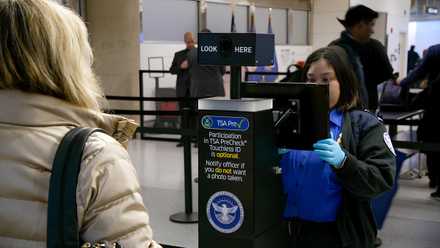
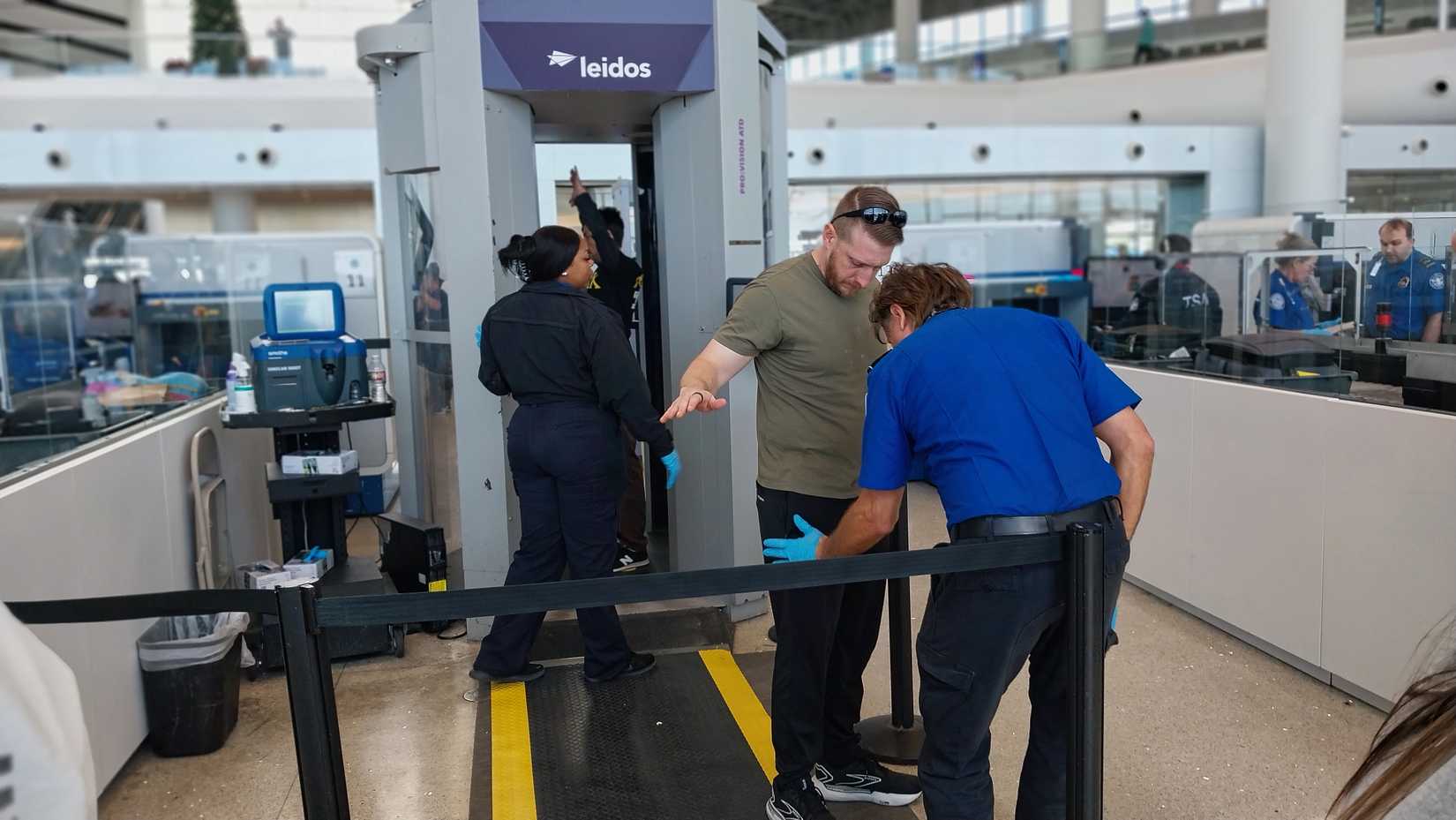
The TSA's continued rollout of computed tomography (CT) scanners at major U.S. airport checkpoints marks one of the most significant changes to passenger screening technology since the post-9/11 liquids restrictions were introduced. Building on procurement contracts totaling more than $781 million awarded in 2022, the agency has expanded 3D imaging capability to hub airports including Atlanta, Chicago O'Hare, and JFK, with more locations coming online steadily. The core value proposition is throughput and convenience: officers can now rotate and examine three-dimensional bag images on multiple axes, eliminating the need for passengers to separate laptops and 3-1-1 liquids in most CT-equipped lanes. For an industry perpetually focused on reducing checkpoint dwell time and improving the passenger experience, this represents a genuine operational win, and one that dovetails with broader TSA modernization efforts including PreCheck expansion and biometric identity verification.
For flight crews and frequent business travelers, the practical upside is real. Commuting airline pilots, corporate flight department personnel, and charter crews who transit TSA checkpoints regularly (particularly those without CrewPASS or airport-specific badging privileges that bypass standard screening) will see marginally faster processing times as CT lanes proliferate. Anyone who has stood in a snaking checkpoint line while a passenger fumbles to repack a laptop and toiletry bag understands the throughput implications at scale. As CT scanners become the norm rather than the exception at major hubs, expect measurable improvements in average checkpoint processing rates, which matters operationally for airlines managing tight connection banks and for business aviation passengers connecting to FBOs or commercial gates under time pressure.
The less-publicized downside, however, is a cautionary tale about how new technology can create unintended consequences for niche but non-trivial user groups. The more aggressive imaging that enables CT scanners to detect threats in three dimensions is also strong enough to fog or degrade undeveloped photographic film in a single pass, a marked departure from older 2D X-ray systems that were comparatively film-safe, particularly at low exposure counts. This is relevant to aviation because it illustrates a recurring theme in security technology deployment: gains in detection capability and operator efficiency often come with trade-offs that affect specific cargo or equipment types, and those trade-offs are rarely communicated clearly to the traveling public until damage has already occurred. Corporate flight departments, charter operators, and airlines that carry photography professionals, journalists, or clients with sensitive analog equipment (a growing niche given the resurgence of film photography) should be aware that hand-inspection requests remain the only reliable mitigation, and that TSA officers need advance notice and separated packaging to accommodate that request without disrupting checkpoint flow.
More broadly, this episode fits into a pattern the industry has seen before with evolving screening technology, from body scanners to explosive trace detection: security improvements at scale inevitably generate friction points for edge cases, whether that's magnetized cargo, sensitive avionics components carried by maintenance personnel, or in this case, unprocessed film. Airlines, airports, and TSA will need to keep refining passenger communication, particularly through NOTAMs, airport advisories, or crew briefing materials, as CT deployment continues nationwide over the next several years. For flight departments and crew scheduling teams that route personnel through unfamiliar airports, staying current on which checkpoints have converted to CT scanning, and briefing traveling staff who carry sensitive equipment accordingly, will become a small but meaningful part of trip planning as the technology becomes ubiquitous rather than novel.











 Read original article