What Are The Benefits Of Flying First Class With British Airways?
British Airways' first class product sits at an interesting inflection point in the premium travel market, and the airline's £7 billion ($9 billion) transformation program signals that legacy carriers are recommitting to the front-of-the-plane experience rather than ceding ground entirely to Middle Eastern and Asian competitors. For years, critics have positioned BA First as more of a "best-in-class business class" than a true rival to the suites offered by Emirates, Qatar Airways, or Singapore Airlines. The introduction of a redesigned Airbus A380 First Suite with a fully closing five-foot door, expanded seat width to 36.5 inches, and a modernized soft product represents a deliberate attempt to close that perception gap. For corporate flight departments and travel managers who route executives through Heathrow on long-haul city pairs like London-JFK or London-LAX, this matters because it changes the calculus of premium cabin procurement: the value proposition of a first class fare is no longer uniform across the fleet, and understanding which aircraft type operates a given route becomes essential to justifying the incremental cost over Club World business class.
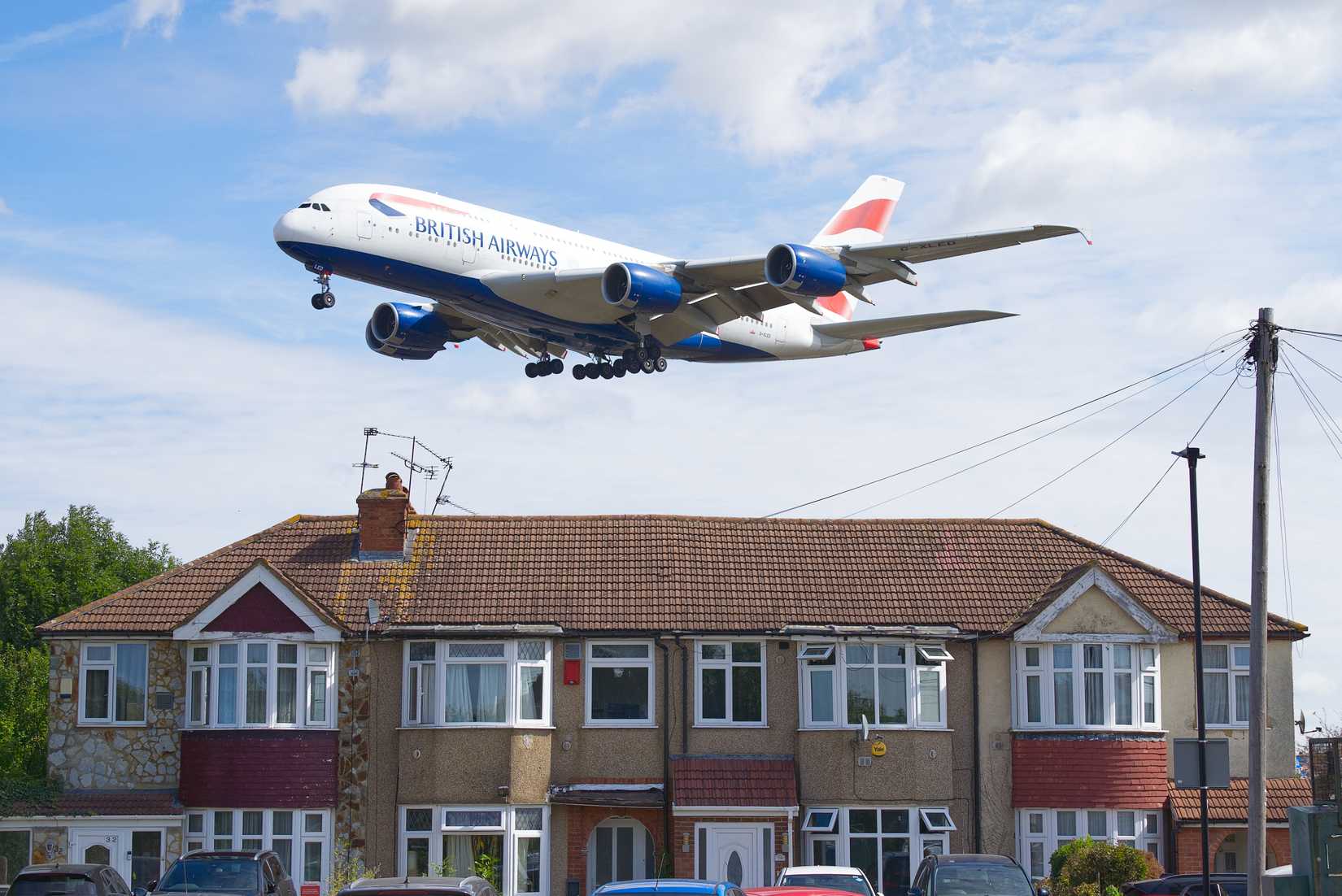
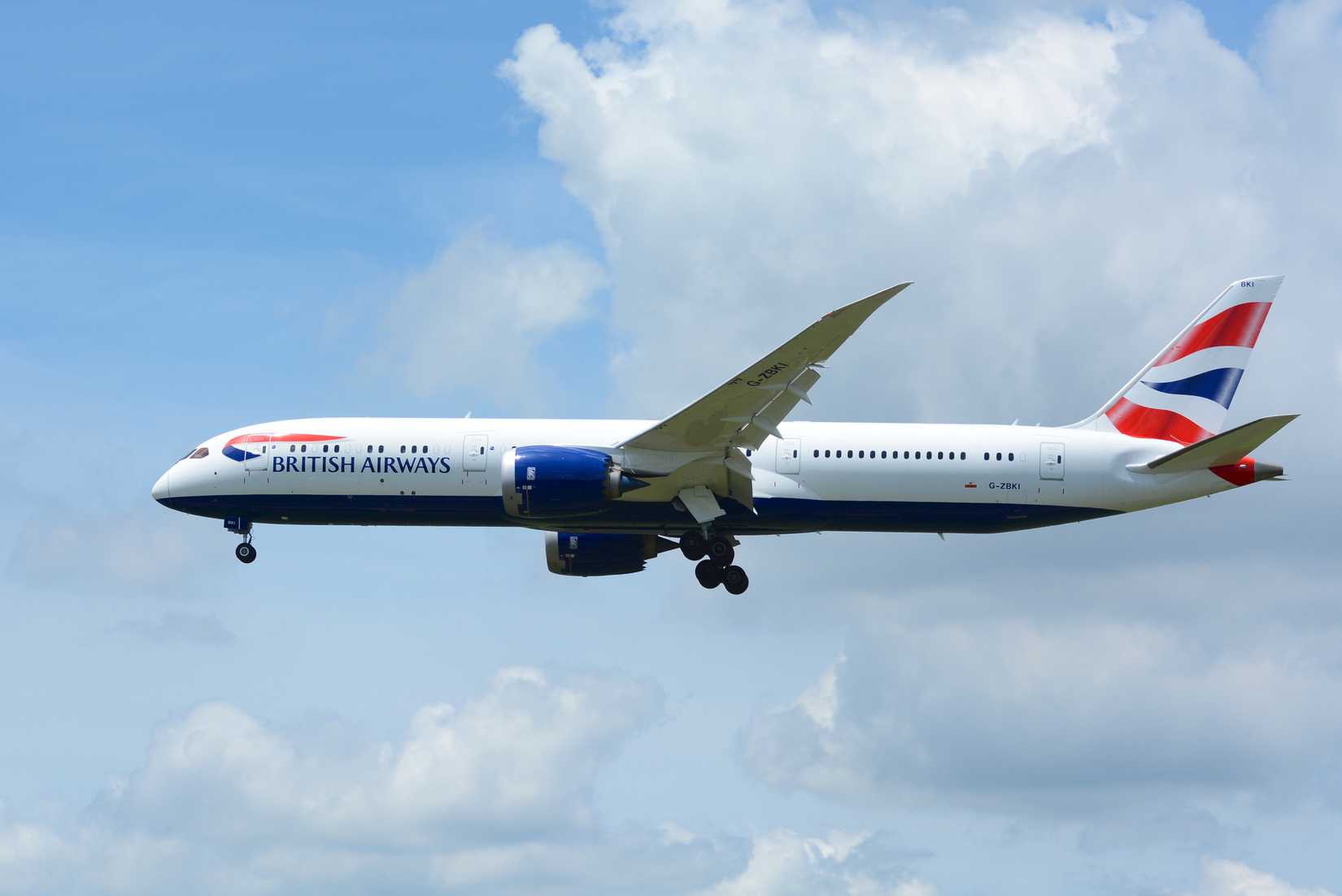
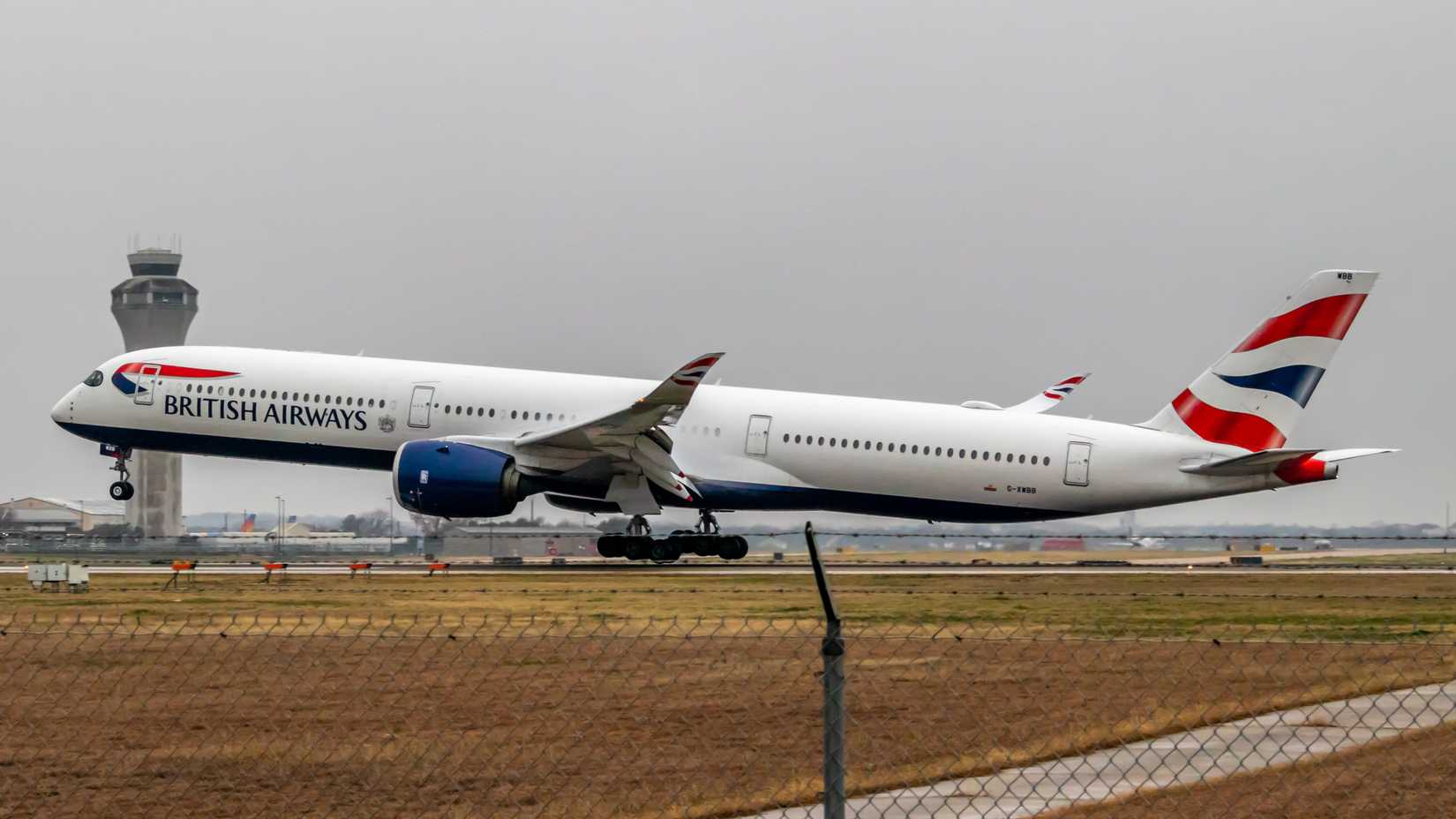
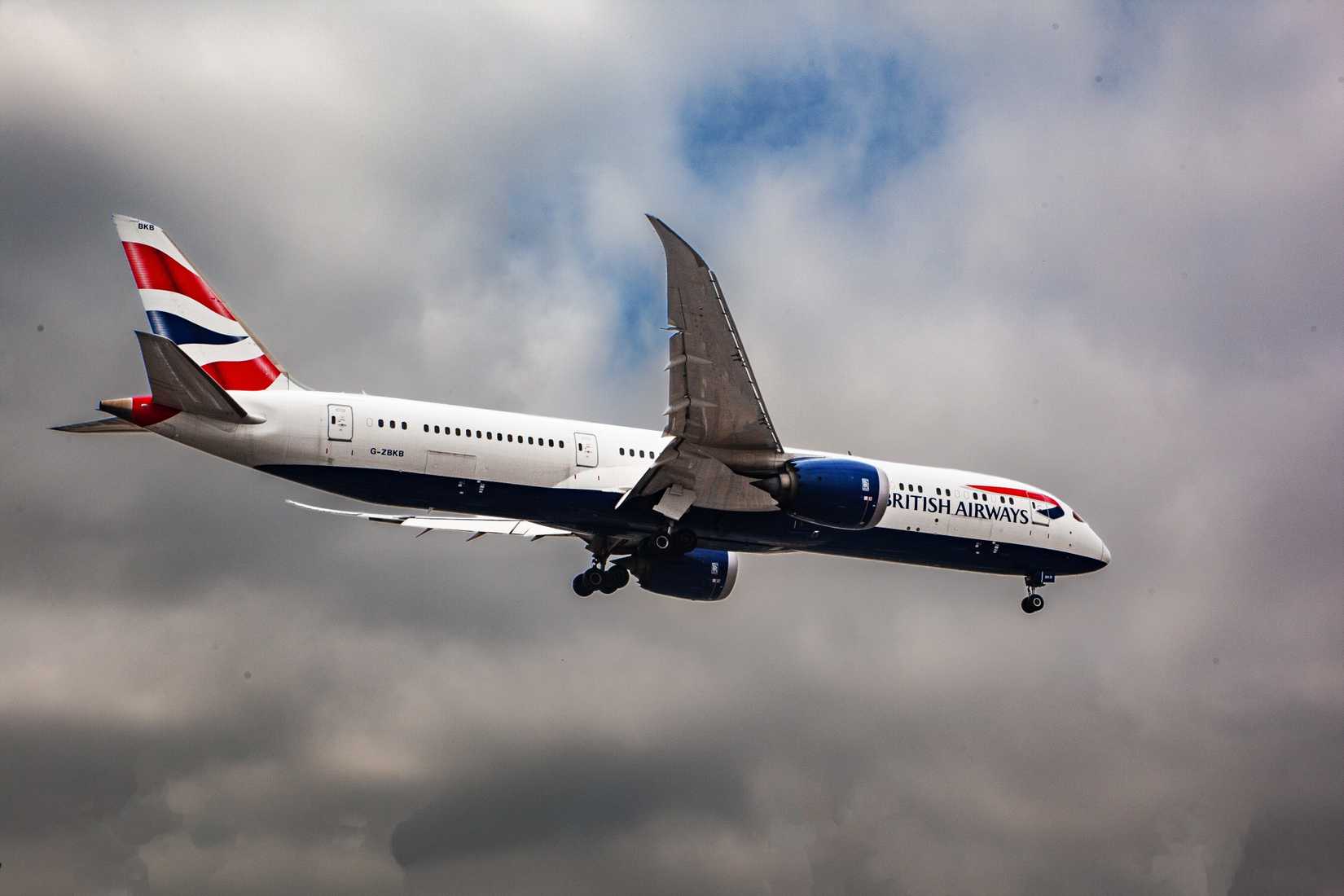
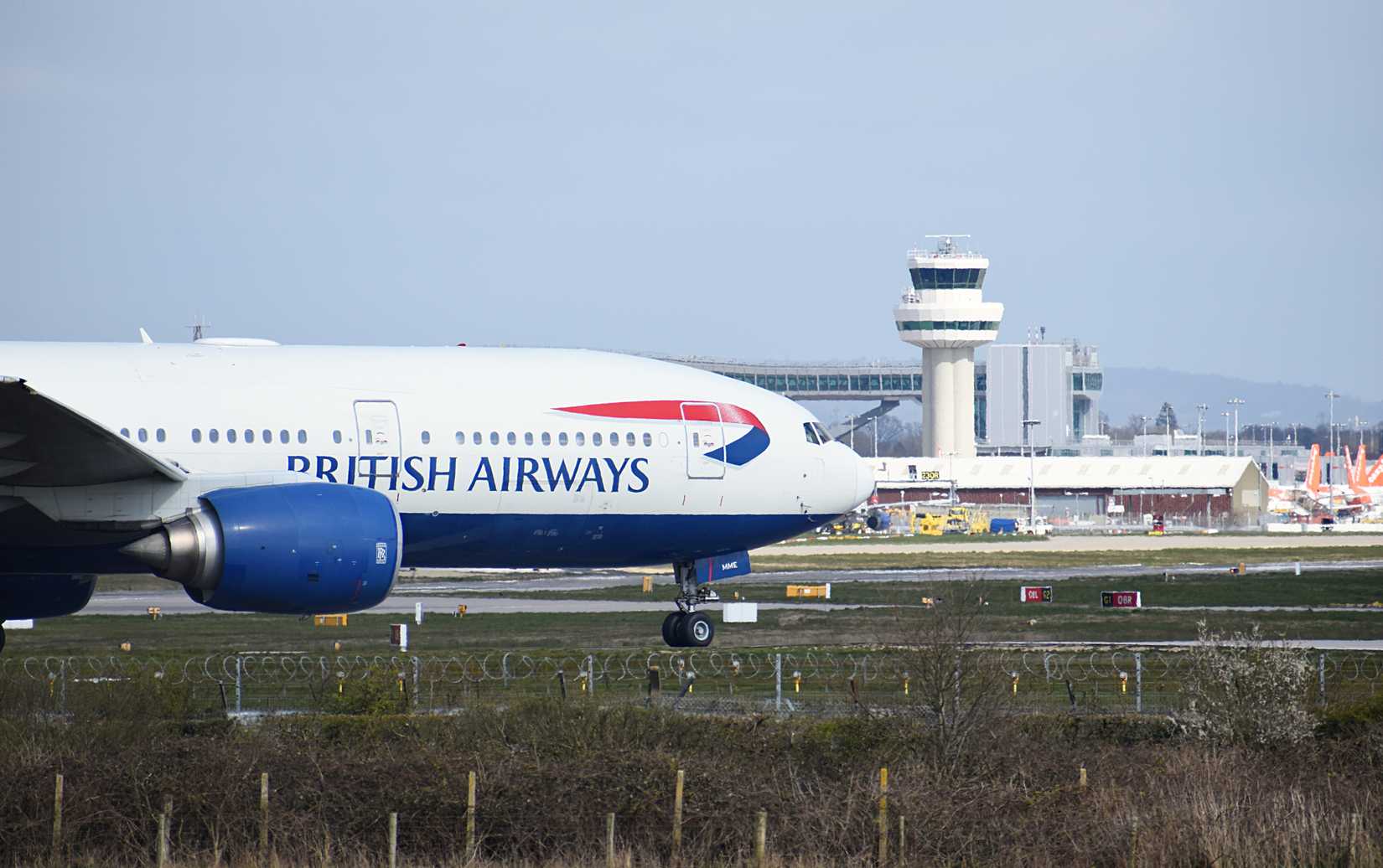
The fleet variability highlighted in the article is a critical operational detail for anyone advising on premium travel purchasing or managing corporate travel policy. British Airways' first class hard product ranges from the aging open-suite A380 configuration, which offers generous square footage but comparatively dated in-flight entertainment and charging infrastructure, to the newer Boeing 777-300ER and 787-10 suites with sliding privacy doors and HD displays. This inconsistency means that a first class ticket purchased months in advance may not guarantee the same experience depending on aircraft substitution, a familiar pain point for frequent flyers and travel coordinators who must track fleet assignments closely. The ground experience compounds this variability: BA's premium ecosystem, including the First Wing security lane and Concorde Room lounge, is heavily concentrated at Heathrow Terminal 5, meaning passengers originating from JFK, LAX, or other outstations may receive a materially different pre-flight experience than those departing London. This geographic imbalance is a recurring theme across legacy carriers' premium strategies and underscores why hub concentration still dictates the true value of a premium fare far more than the marketing around it.
For working pilots, particularly those in the Part 91/91K and business aviation world, this article is a useful reminder of how the commercial premium cabin market continues to evolve in parallel with, and sometimes in direct competition with, private and fractional aviation. As airlines like British Airways invest heavily in door-enclosed suites, dine-on-demand service, and elevated crew-to-passenger ratios, they are explicitly targeting the same high-net-worth traveler segment that business aviation operators court. The framing of BA First as a "modern luxury hotel experience at 35,000 feet" echoes language business jet operators have used for years to differentiate charter and fractional ownership from commercial travel. When first class products narrow the gap in privacy and personalization, some price-sensitive premium travelers may reconsider the value proposition of chartering a light or midsize jet for transatlantic segments, particularly on routes where BA maintains its unique regulatory and route advantage as the only European carrier offering first class direct to the U.S.
More broadly, this transformation reflects a wider trend across full-service carriers, from Emirates and Qatar Airways to Lufthansa and Singapore Airlines, of reinvesting in premium cabins even as total first class seat counts shrink across the industry. Many airlines have quietly reduced first class capacity in favor of expanded business class, betting that fewer, more differentiated first class suites yield better margins than volume. BA's approach, pairing hardware investment with a dedicated "First Service Specialist" training program, suggests that legacy carriers recognize the soft product, consistent, high-touch human service, remains as important as the physical seat. For airline pilots flying these widebody long-haul routes, this matters operationally too: crew staffing models, catering complexity, and turnaround times at hub airports like Heathrow are all shaped by these premium service commitments, and understanding how cabin configuration and ground handling procedures differ by aircraft type remains relevant to flight planning, weight and balance considerations, and overall passenger experience coordination on international operations.













 Read original article