BWB Archives - Leeham News and Analysis
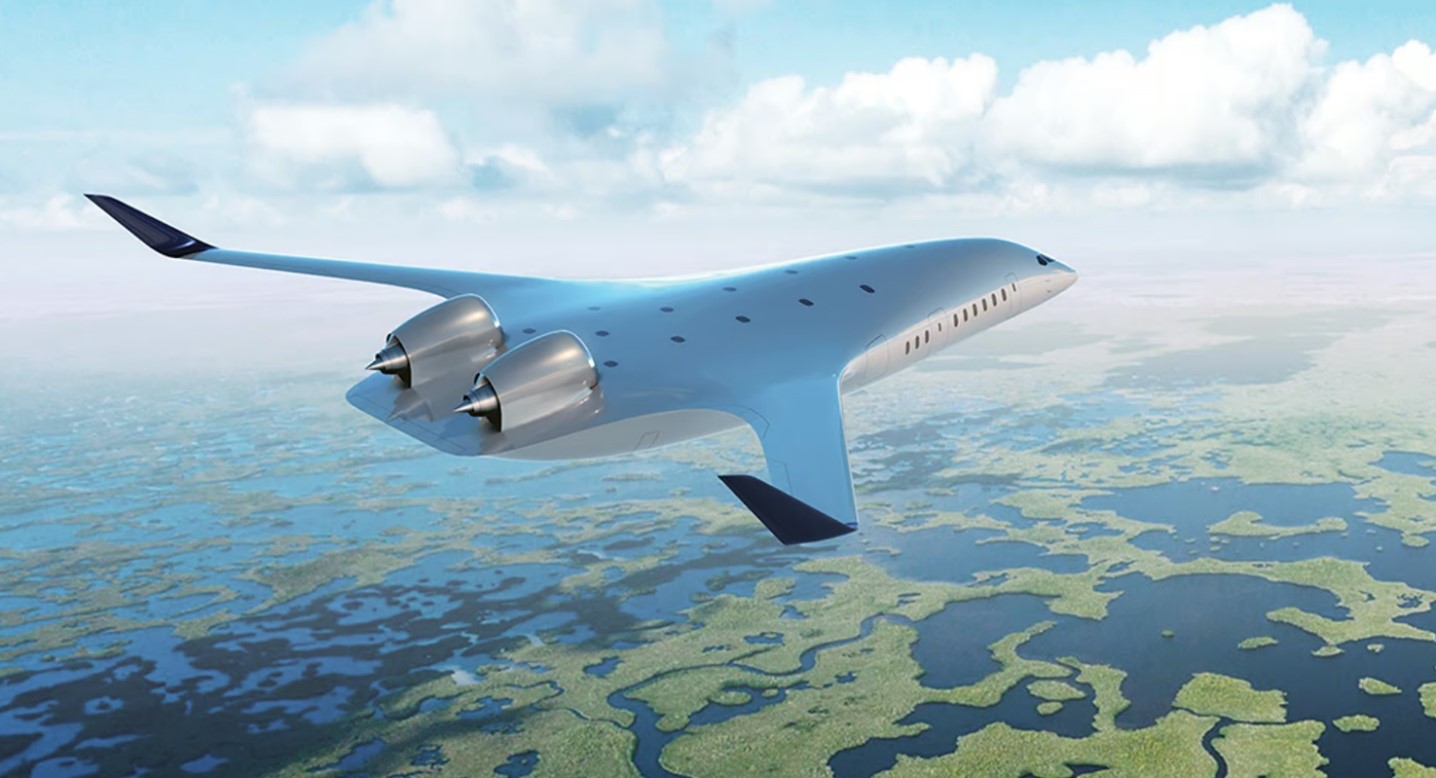
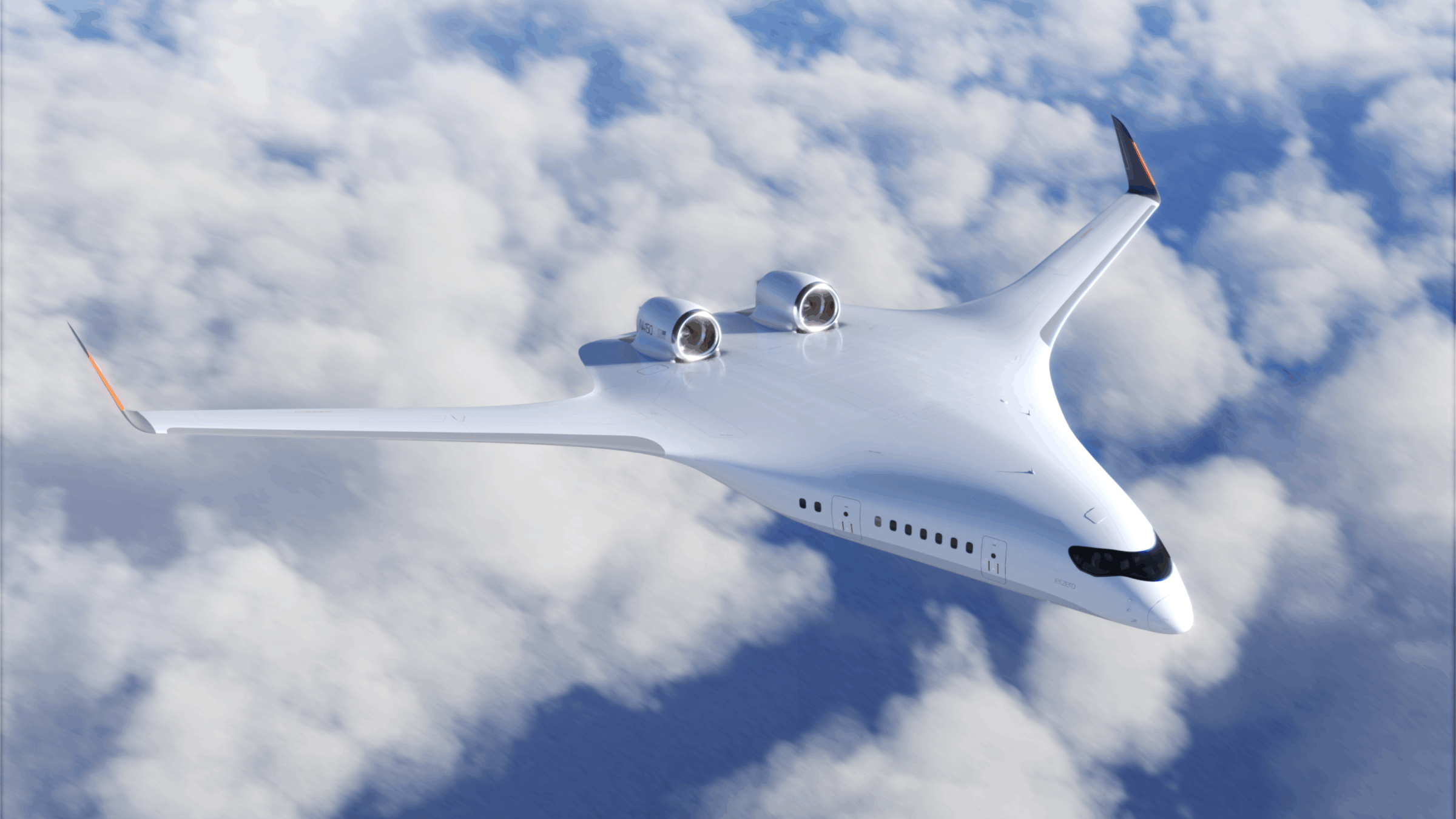
JetZero's evolving Z4 Blended Wing Body (BWB) design continues to generate detailed technical scrutiny from Leeham News, whose multi-part series reveals both the promise and the substantial engineering hurdles facing this unconventional airframe. The company has updated its Z4 concept—now dubbed the "Z4U" by Leeham analysts—with a V-tail on a lengthened central fuselage, a wider wing with winglets, and larger, heavier engines mounted via a clamshell pylon structure. These changes reflect the iterative refinement typical of a program still years from a firm configuration, and Leeham's Aircraft Performance and Cost Model (APCM) comparisons against a hypothetical 250-seat New Midmarket Airplane (NMA), the 40-year-old 767, and the in-production A321XLR provide a rare independent benchmark for a design that JetZero itself has promoted primarily through favorable internal projections.
The propulsion question is emerging as the most consequential technical constraint on the program. JetZero's demonstrator aircraft will fly with the 1970s-vintage Pratt & Whitney PW2040—the same engine family powering the 757 and the Air Force's C-17—simply because no modern engine exists in the 45,000-50,000-pound thrust class suited to the BWB's unusual flight envelope. Leeham's aerodynamic analysis explains why: the Z4's drag profile is dominated by skin-friction (wetted area) drag rather than induced drag, pushing its optimal cruise altitude roughly 10,000 feet higher than a conventional tube-and-wing aircraft of similar capacity. At 41,000-45,000 feet, high-bypass turbofans—the industry's default architecture for fuel efficiency over the past two engine generations—lose effectiveness, while low-bypass, higher-specific-thrust engines perform better despite running counter to the propulsive-efficiency trend that has driven fuel-burn improvements across Boeing and Airbus's current fleets. This creates a genuine technology gap: JetZero's timeline is now effectively tied to the US Air Force's separate effort to re-engine the C-17, with an RFI expected by year-end and GE Aerospace, Pratt & Whitney, and Rolls-Royce likely respondents. A commercial airliner program is thus dependent on a military procurement decision for its powerplant, an unusual and risky dependency for any airframer targeting eventual airline service.
For working pilots and operators, these details matter beyond academic interest. A BWB's cabin geometry, pressurization loads, and structural behavior differ meaningfully from tube-and-wing aircraft, and Leeham's structures analysis notes that the intuitive assumption—that eliminating a cylindrical fuselage and separate empennage saves structural weight—doesn't hold up cleanly under real engineering constraints. Non-cylindrical pressure vessels require heavier reinforcement to manage bending and shear loads across a wide, flat cabin, potentially offsetting aerodynamic gains. Pilots transitioning to any eventual BWB airliner would also face different handling characteristics, sight lines, evacuation profiles, and possibly novel V-tail control dynamics, all of which will factor into certification timelines and type-rating requirements. The engine bypass ratio and altitude trade-offs also have direct operational implications: an aircraft optimized for a higher cruise altitude changes climb profiles, step-climb planning, and potentially ATC coordination in already congested upper flight levels.
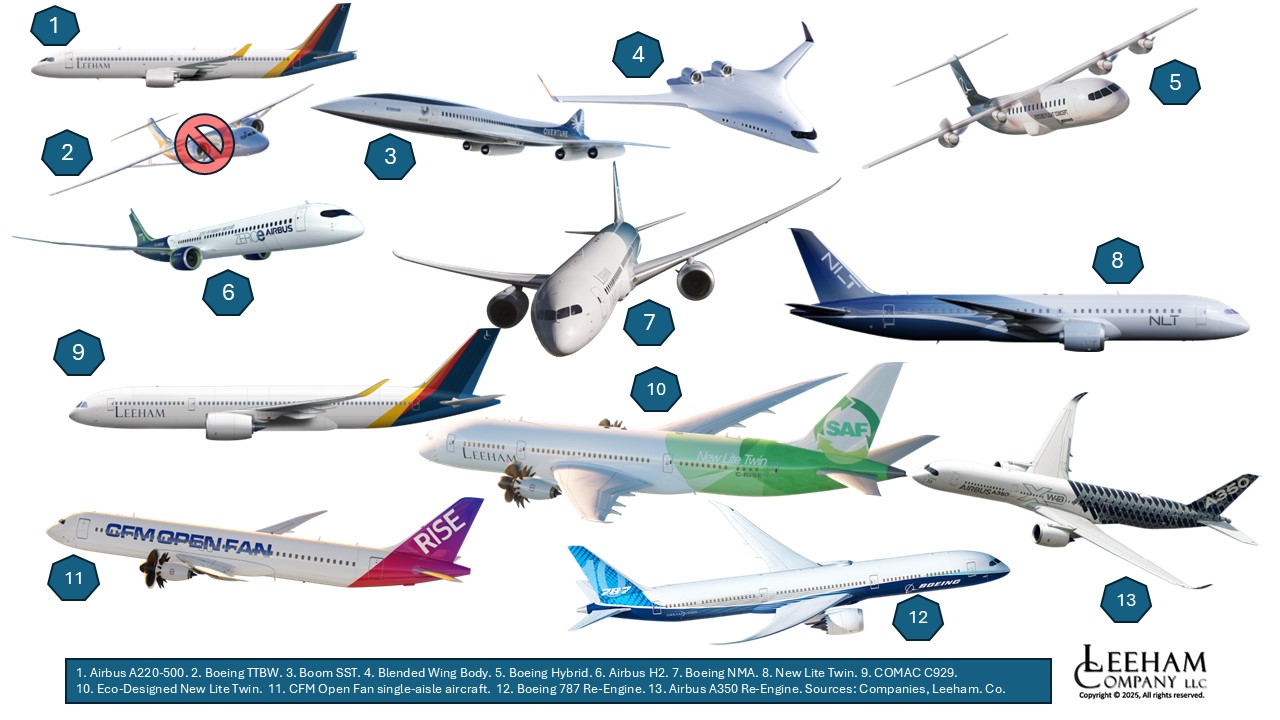
Broadly, this series underscores how far BWB commercialization remains from operational reality, despite JetZero's high-profile Air Force partnership and demonstrator progress. The tanker, cargo, and passenger variants are conceptually linked but face different certification bases, timelines, and stakeholders—military versus FAA, cargo operators versus passenger airlines. For an industry watching Boeing and Airbus both quietly monitor BWB research while continuing to invest in incremental tube-and-wing efficiency gains (geared turbofans, open rotor concepts, composite structures), JetZero's engine dependency and structural trade-offs illustrate why radical airframe departures remain a decade-plus proposition. Business aviation and airline planners should view the Z4 program as a long-horizon technology watch item rather than a near-term fleet-planning variable, with the C-17 re-engining decision serving as the critical near-term signal for whether a viable powerplant—and by extension, a credible Z4 timeline—actually materializes.






 Read original article