Middle of the Market Archives - Leeham News and Analysis
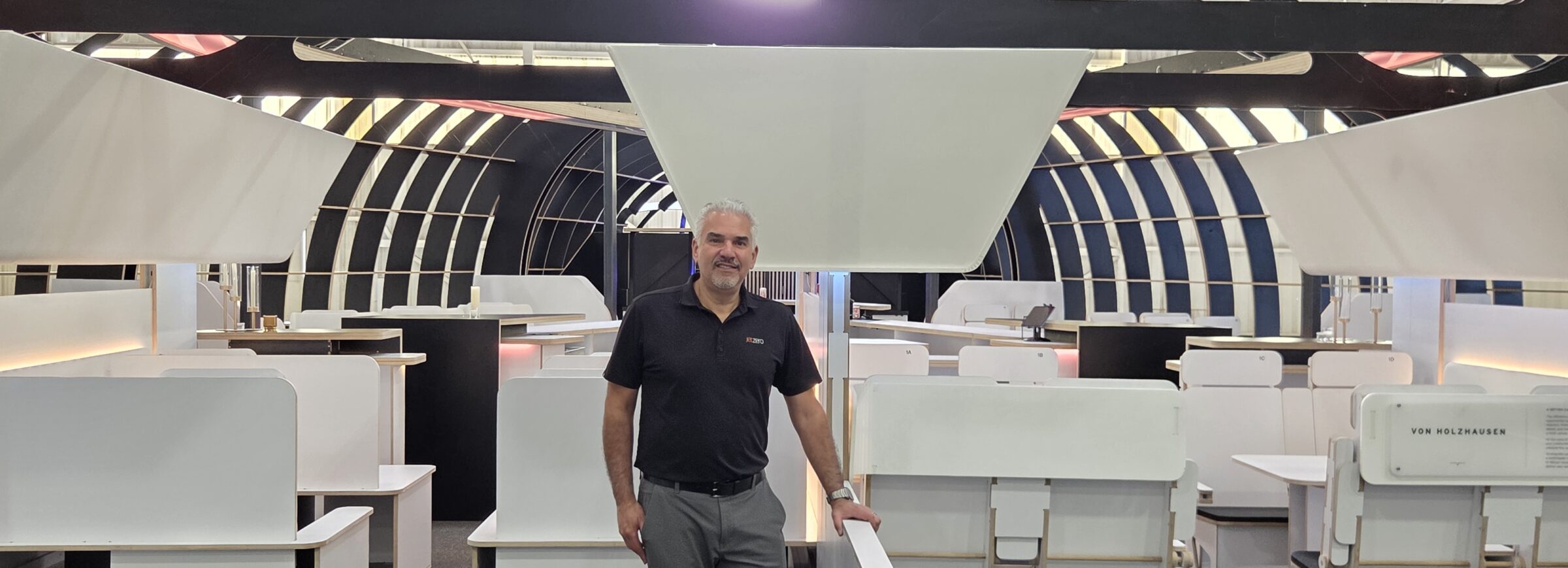
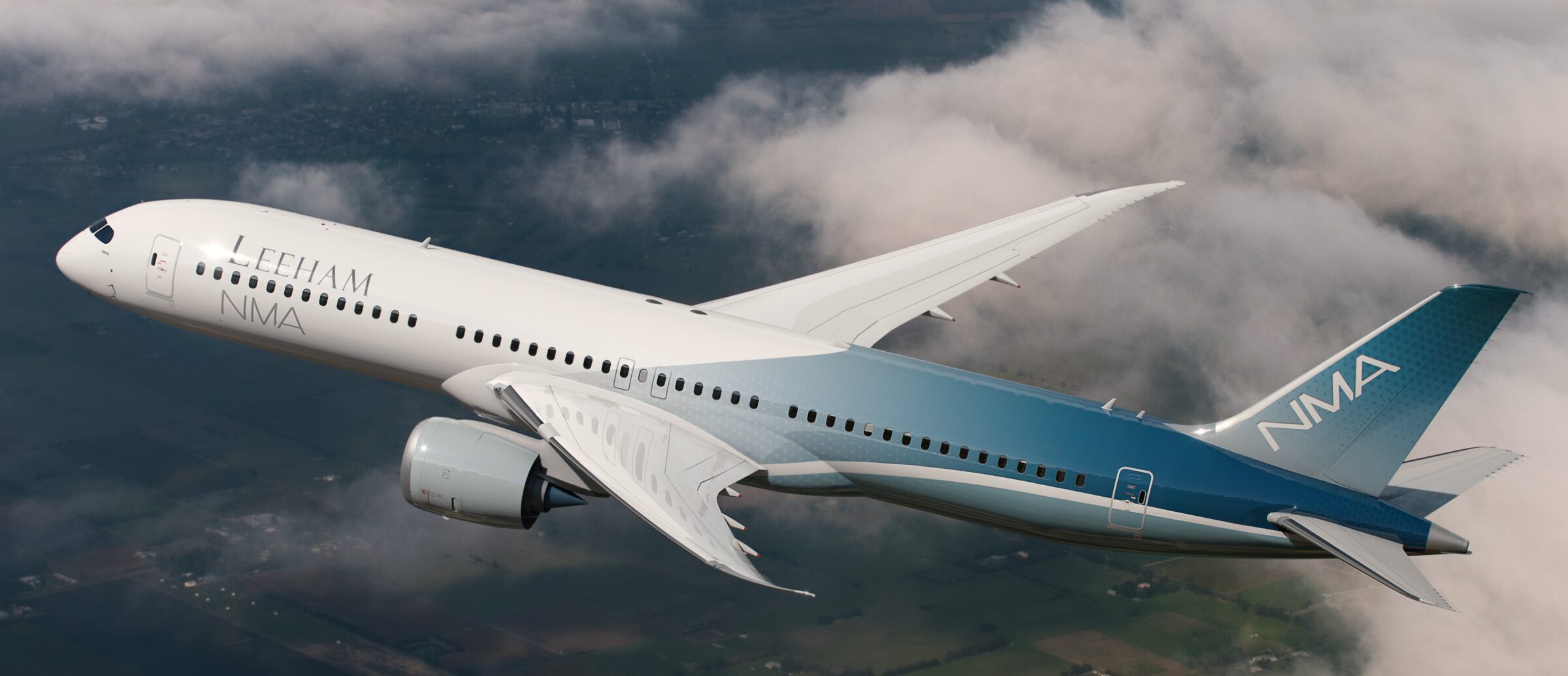
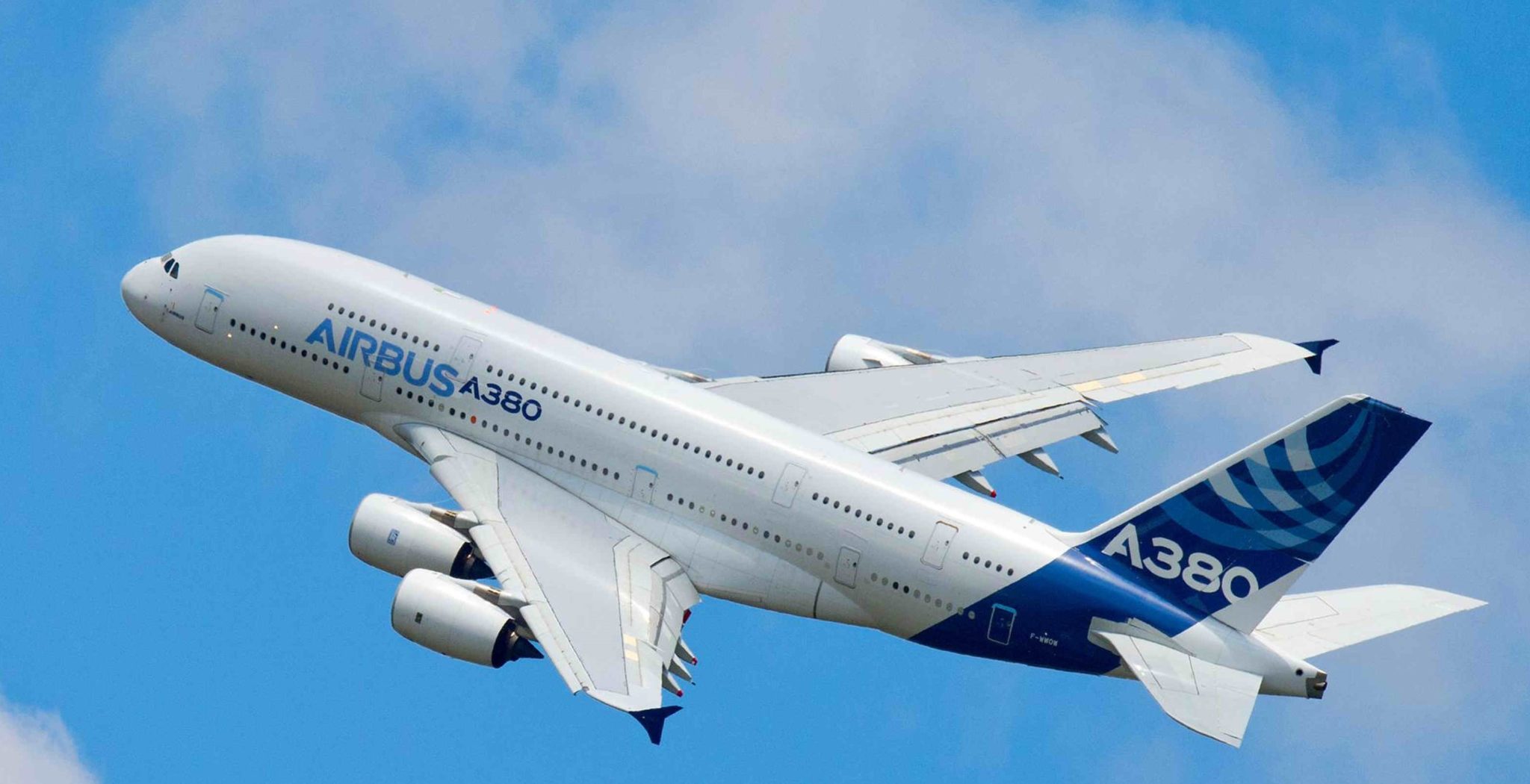
JetZero's evolving Z4 Blended Wing Body program continues to draw close scrutiny from Leeham News, whose latest analysis examines a substantially revised airframe configuration the outlet has dubbed the "Z4U." The updated design features a V-tail mounted on a lengthened central fuselage, a wider wing fitted with winglets, and larger, heavier engines mounted via a clamshell pylon structure—a notable departure from earlier Z4 renderings. Using its proprietary Aircraft Performance and Cost Model, Leeham benchmarks the Z4U against a hypothetical 250-seat New Midmarket Airplane (NMA) built on conventional tube-and-wing architecture, the 40-year-old Boeing 767 that JetZero itself uses as a baseline comparator, and the in-production Airbus A321XLR, which though smaller is already flying comparable transatlantic missions. This comparative framework matters because it tests JetZero's core value proposition—claimed double-digit fuel burn and efficiency advantages over conventional twin-aisle designs—against both legacy and next-generation reference points rather than against JetZero's own marketing baseline alone.
For working pilots and flight operations planners, the significance extends beyond airframe curiosity. A BWB configuration fundamentally alters cockpit ergonomics, sightlines, ground handling, evacuation procedures, and stall/handling characteristics relative to conventional swept-wing jets. Should JetZero's design mature toward certification, training pathways, simulator development, and type-rating structures will need to be built essentially from scratch, with no direct precedent in the existing airline or cargo fleet. The tanker variant JetZero is simultaneously pursuing for the U.S. Air Force adds a military dimension that could accelerate flight-test data and funding but also means early operational experience may come from a very different mission profile than scheduled passenger service. Program credibility hinges heavily on JetZero's ability to close private equity funding rounds—reported to be in progress ahead of major air shows—and to finalize a final assembly site, both prerequisites before any realistic path to a flying demonstrator, let alone a certified airliner.
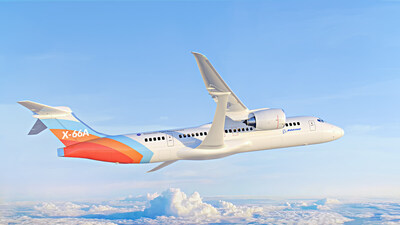
The broader context is Boeing's continued absence from the middle-of-market conversation. CEO Kelly Ortberg has explicitly deferred any new airplane launch decision until airlines, technology, and Boeing itself are simultaneously ready, having killed the X-66A Transonic Truss-Braced Wing demonstrator inherited from predecessor David Calhoun while preserving NASA-partnered wing research. This leaves a vacuum in the 220-280 seat, extended-range segment that the original NMA was designed to fill before its 2020 cancellation amid the MAX grounding and subsequent cash crisis. Airbus, meanwhile, continues to extend the A321XLR's reach into that same mission space with a conventional, already-certified platform—giving airlines a lower-risk option to address transcontinental and thin transatlantic routes without waiting for either a BWB or a clean-sheet Boeing design.
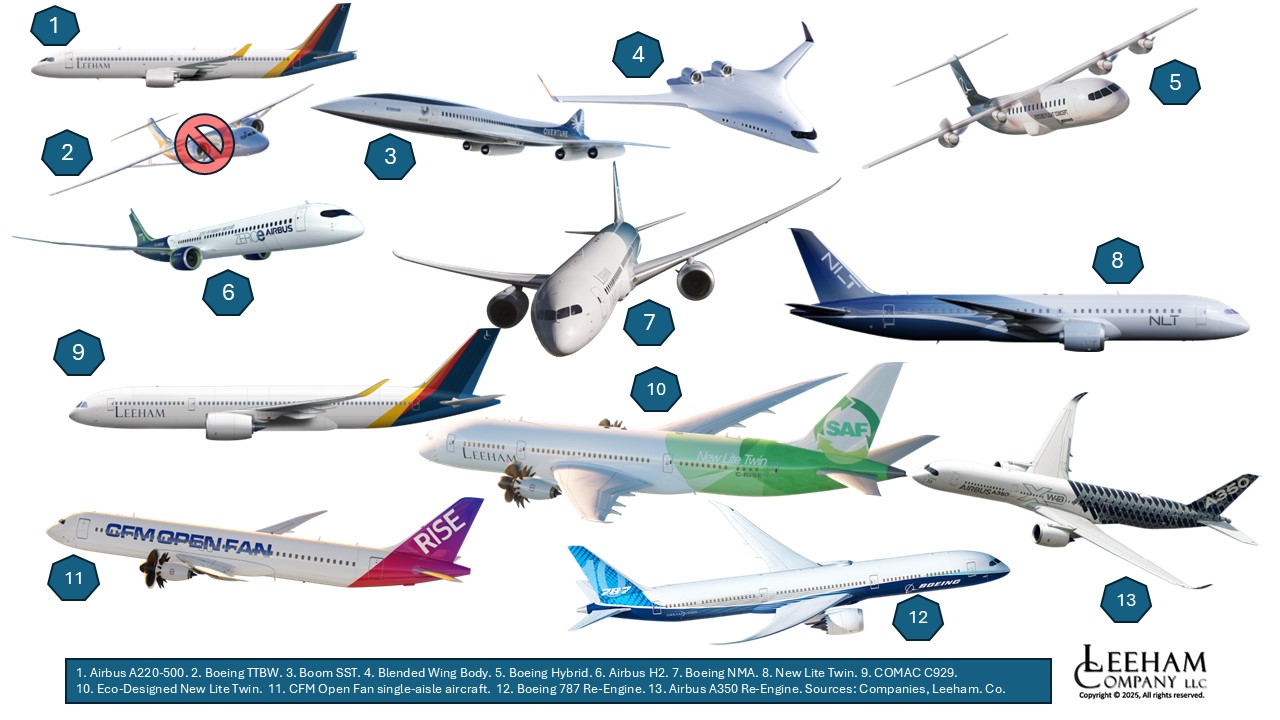
For fleet planners and corporate aviation strategists, the pattern across Leeham's ongoing "next new aircraft" series—spanning the A220-500 stretch, TTBW, Boom's Overture, hydrogen and hybrid-electric concepts, and BWB designs—underscores how fragmented and uncertain the next-generation replacement cycle has become. No single technology or configuration has emerged as the clear successor to current-generation narrowbodies and widebodies, meaning airlines are increasingly forced to extend current fleets, lean on MAX and A321neo family derivatives, and defer major reequipping decisions. For pilots, this translates into a longer runway of flying legacy tube-and-wing types before any BWB, truss-braced wing, or alternative-propulsion aircraft reaches revenue service, while also signaling that the eventual arrival of genuinely novel airframe geometries will demand entirely new training, certification, and operational paradigms whenever that transition finally begins.






 Read original article