Why The Boeing 777X Has To Fold Its Wings Just To Reach The Gate In Sydney
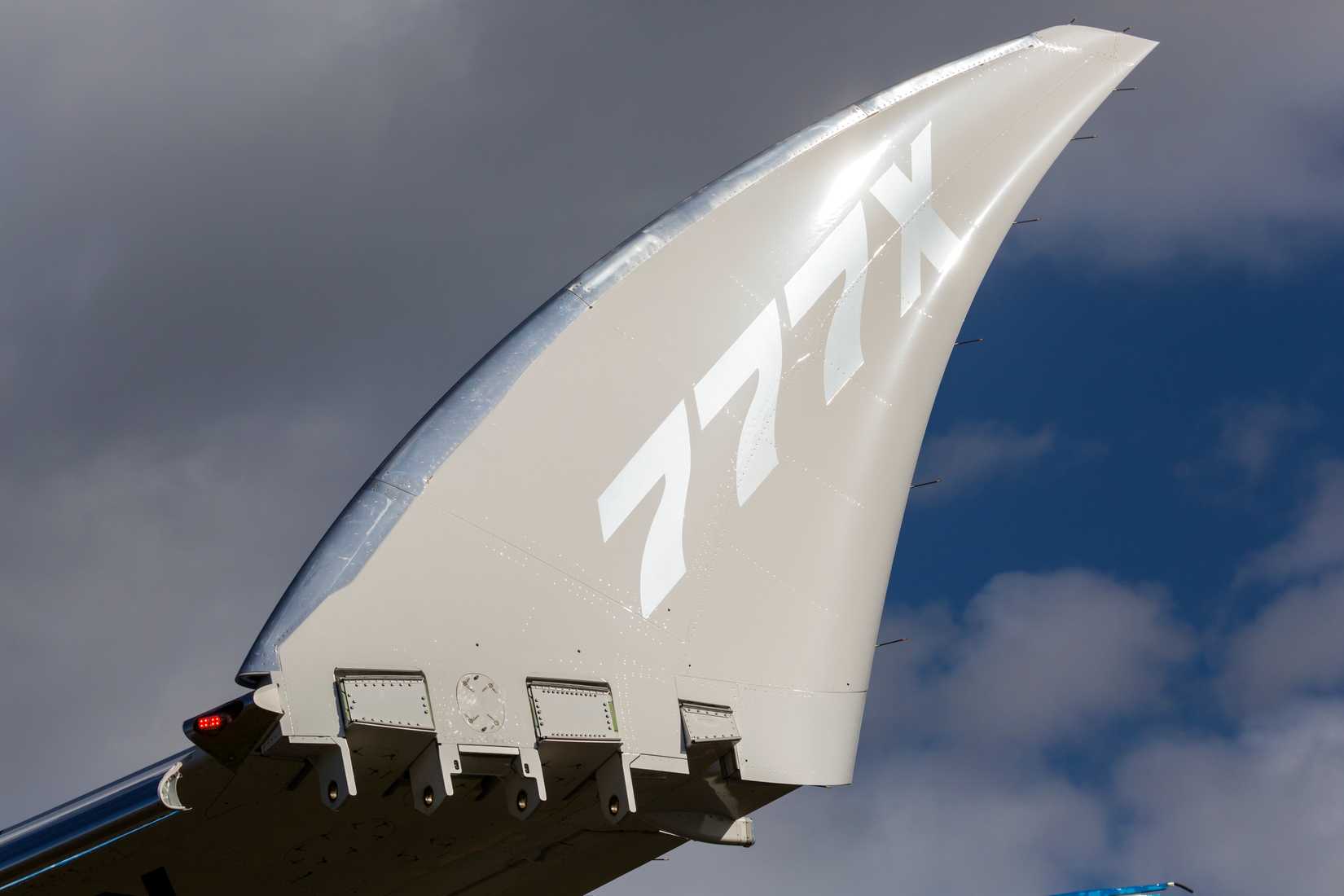
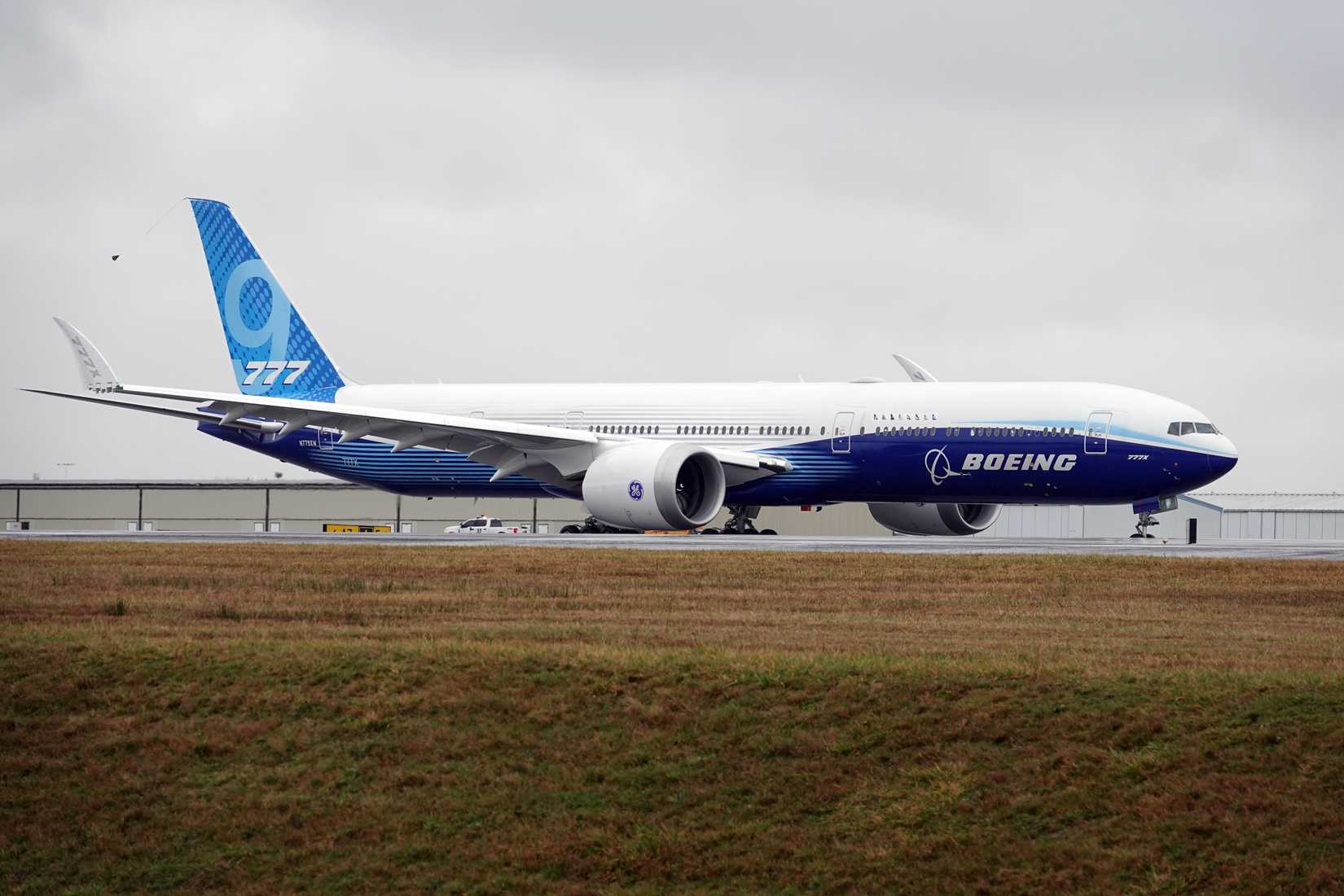
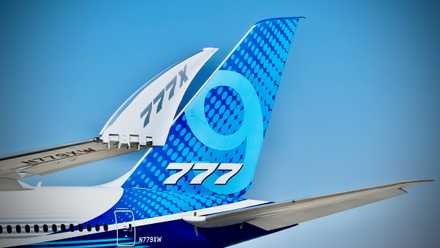
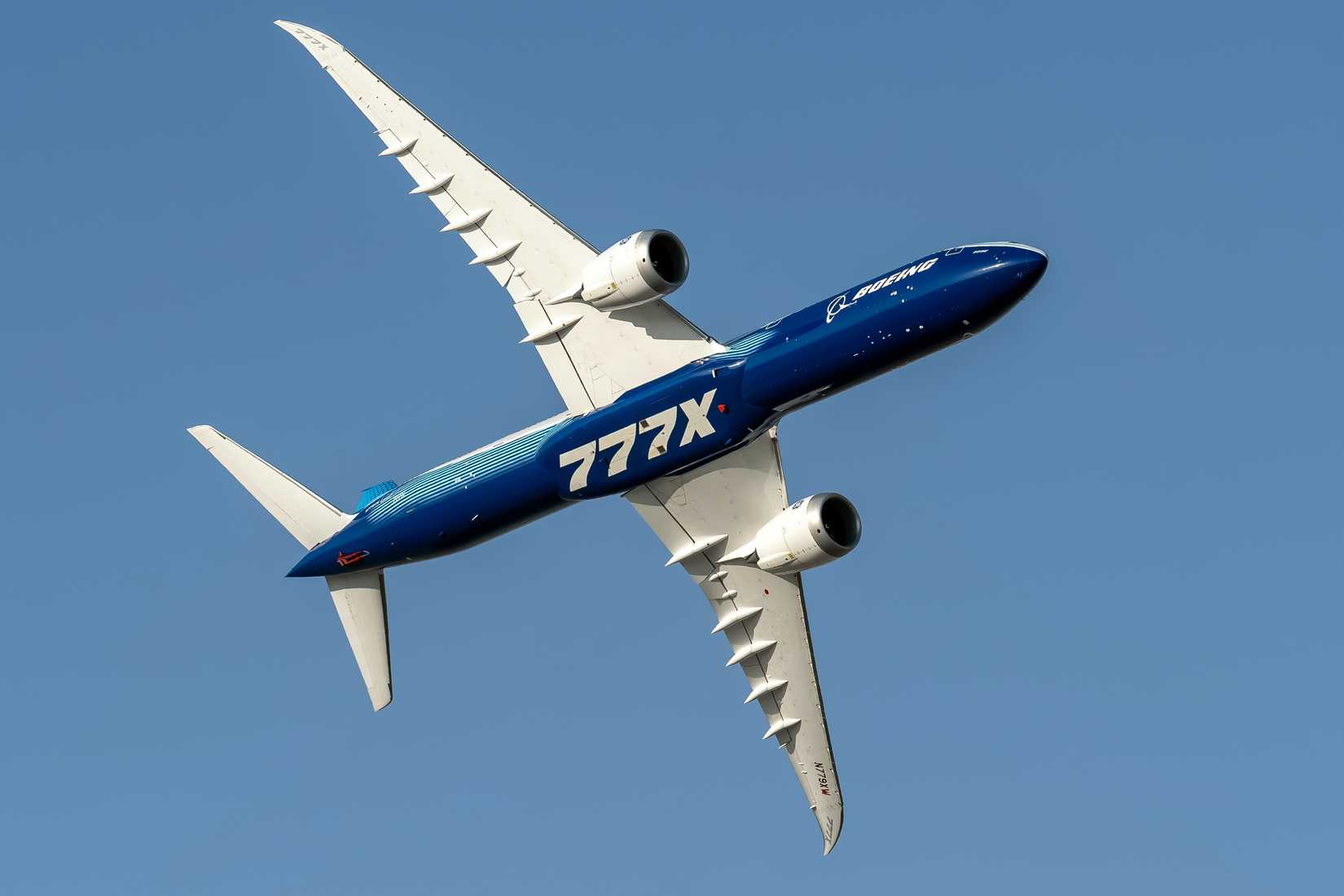
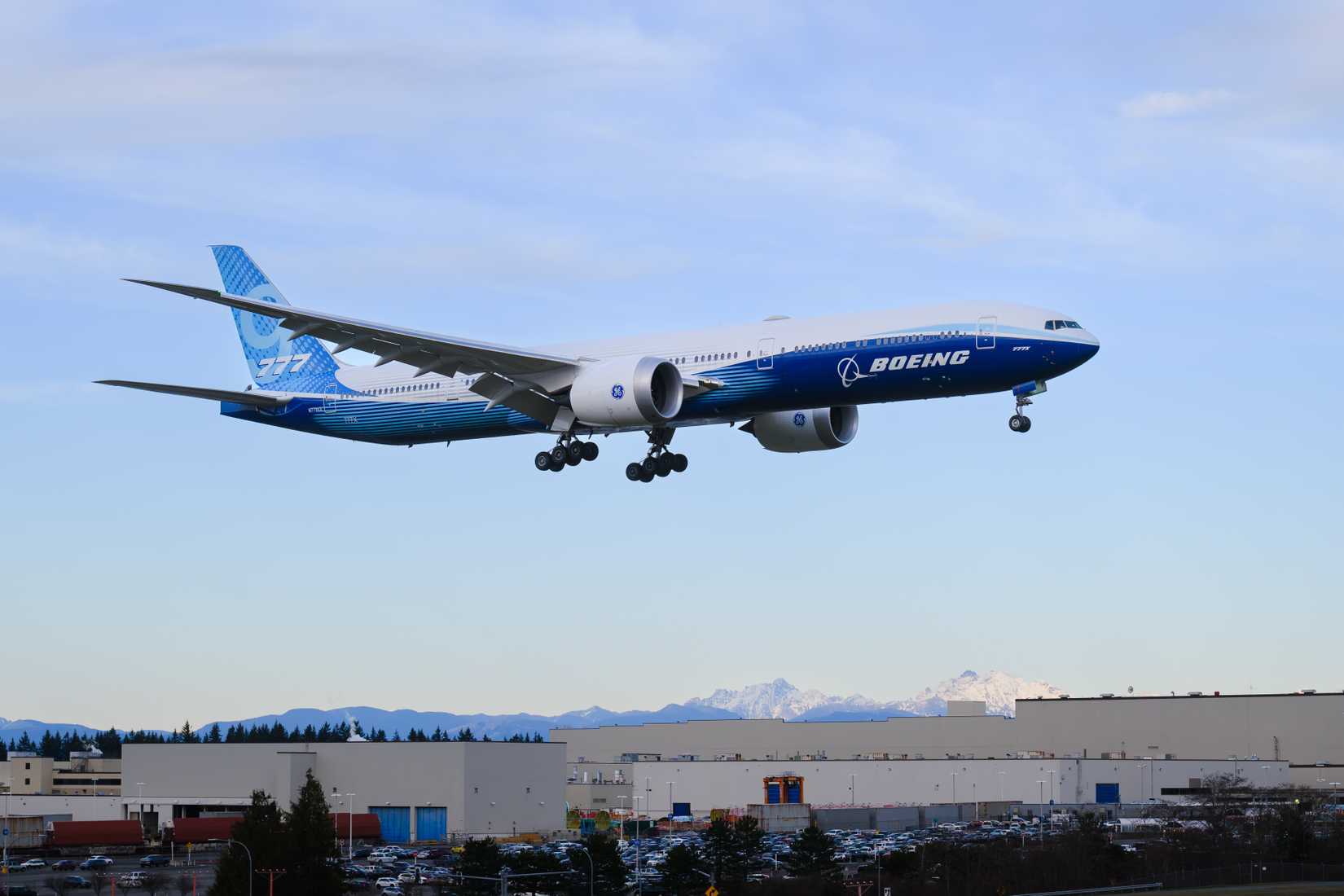
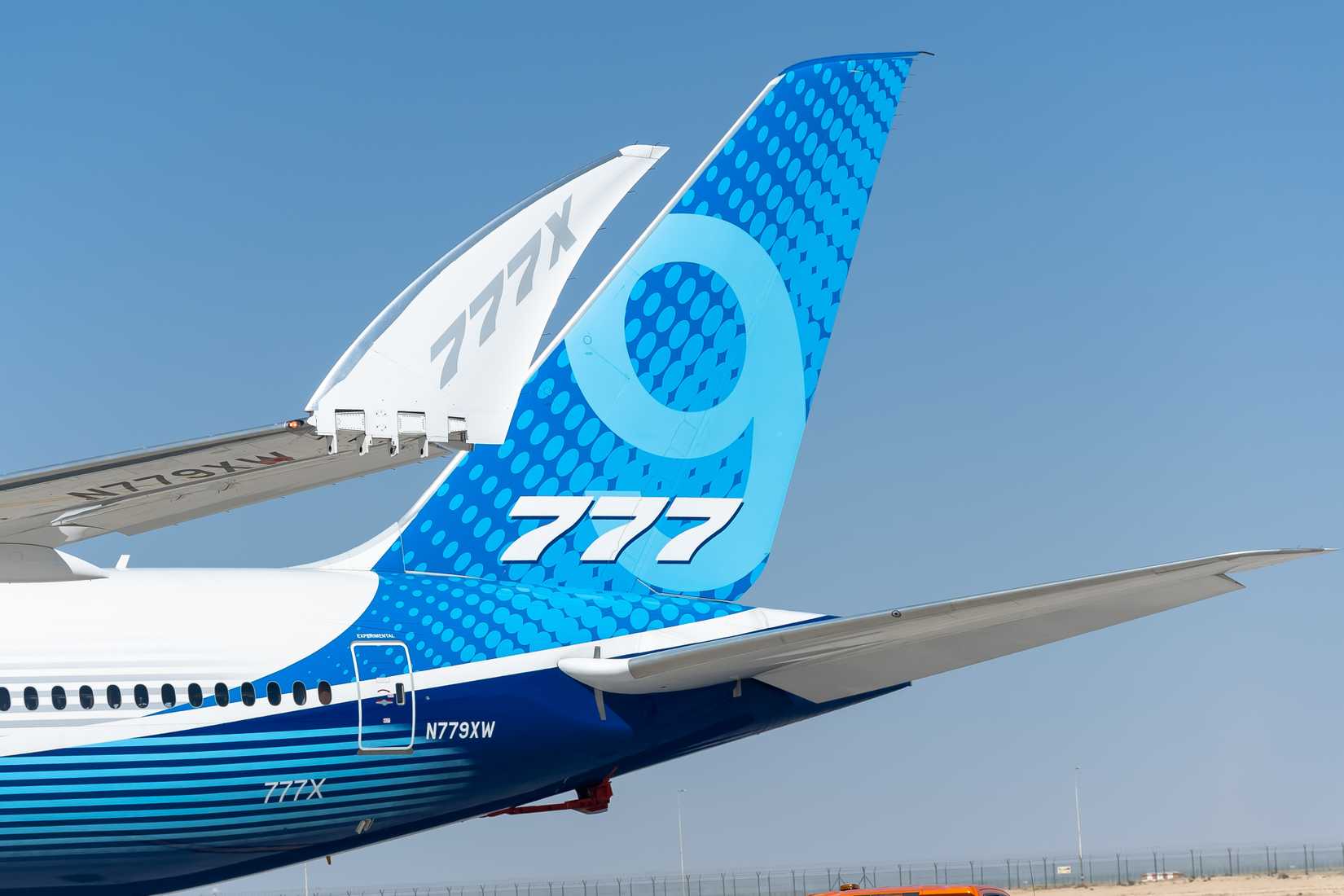
The Boeing 777X's folding wingtip mechanism represents one of the more consequential engineering compromises in modern widebody design, born from a fundamental tension between aerodynamic performance and airport infrastructure reality. With wingtips extended, the aircraft spans 235 feet 5 inches, placing it in ICAO Code F alongside the Airbus A380 and Boeing 747-8—a category that demands wider taxiways, larger gate footprints, and expanded blast fence clearances that few airports outside of major superhubs have built out. By folding the outer 11.5 feet of each wingtip upward on the ground, Boeing shrinks the span to 212 feet 9 inches, dropping the aircraft into Code E and allowing it to use the same gates, taxiways, and jet bridges as the 777-300ER and A350-1000. This is a deliberate lesson learned from the A380 program, where the sheer scale of required infrastructure investment limited the superjumbo's market to a relatively small number of airports willing to foot the bill for gate widening, taxiway repaving, and terminal modifications.
For working pilots and ground operations personnel, the significance here extends well beyond a novel mechanical feature. The regulatory pathway matters as much as the engineering: ICAO Annex 14, Volume I, Amendment 15 (effective November 2020) created the first formal international standard for folding-wingtip aircraft, meaning the 777X is automatically treated as a standard Code E airplane once the tips are locked upward. That removes the need for controllers or ground crews to apply special taxi routing, widened clearance protocols, or non-standard separation minima—the aircraft simply behaves like any other twin-aisle jet once on the ground. Flight crews will need to internalize the wingtip fold/unfold sequence as a standard before-taxi and after-landing checklist item, similar in criticality to spoiler or flap configuration checks, since the hinge actuators must be verified locked before any ground movement. Ramp and ground handling personnel, meanwhile, must be trained to recognize the aircraft's changing physical footprint and understand that a 777X taxiing with tips folded occupies a materially different envelope than one parked with tips extended for gate operations at Code F-capable facilities.
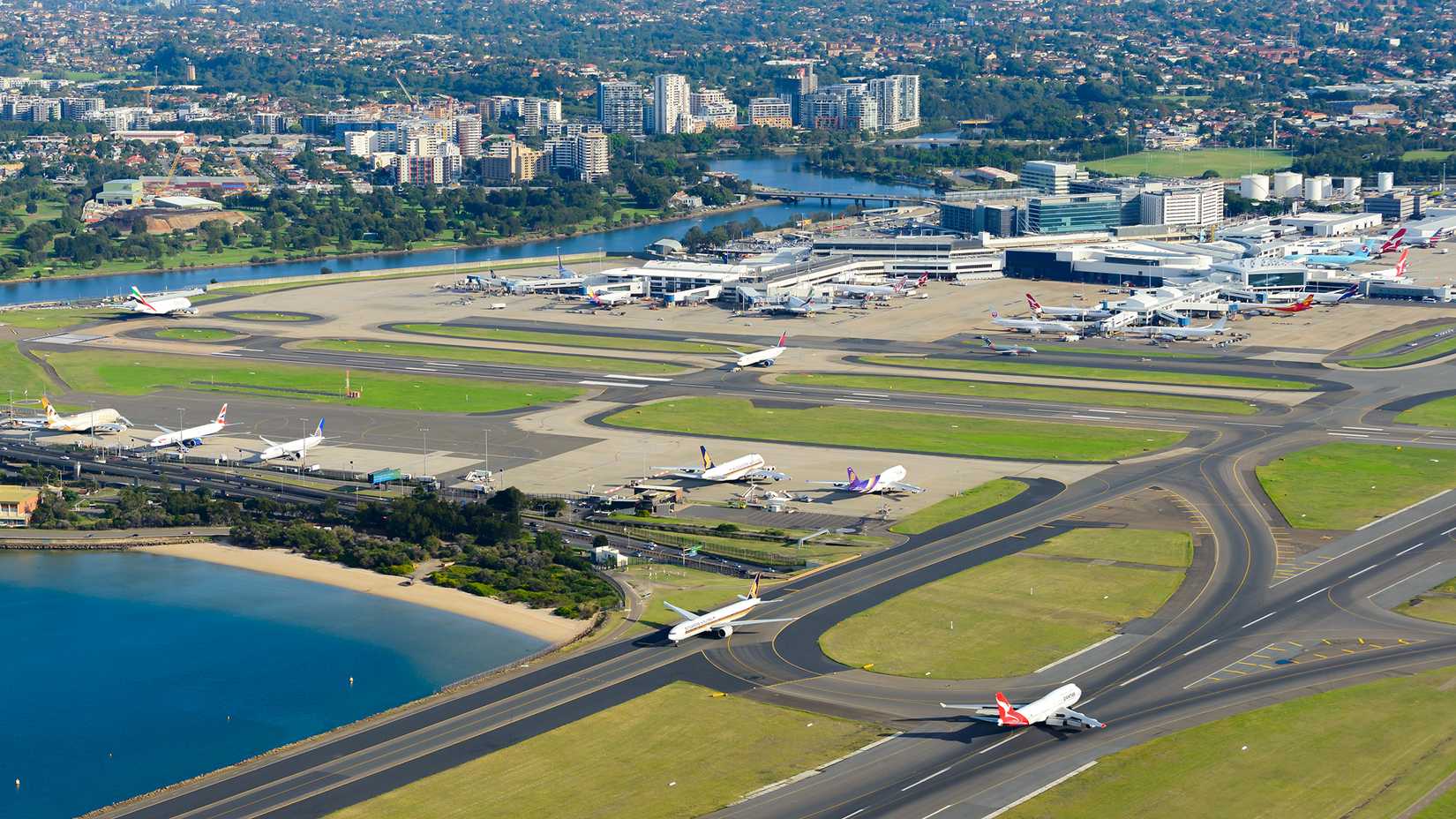
The Sydney Kingsford Smith example illustrates why this matters operationally rather than just theoretically. SYD's Terminal 1 sits hemmed in by Botany Bay and dense urban development, leaving essentially no room for organic taxiway widening. The 262-foot centerline separation between Taxiway B10 and Taxiway L becomes a genuine pinch point when a Code F-dimensioned aircraft is present, even briefly before folding. Airports like Sydney, Auckland, and numerous constrained Asian and European gateways can accept 777X service without the years-long capital projects that A380 operators had to negotiate, because the folding mechanism—not runway or taxiway reconstruction—absorbs the size penalty. This dramatically widens the addressable network for the aircraft and is a major reason airlines like Emirates, Qatar Airways, Lufthansa, and Singapore Airlines have ordered the type in such volume despite the program's repeated delays.
More broadly, the 777X's approach signals where large twin-engine widebody design is heading: manufacturers are increasingly designing around existing airport constraints rather than expecting airports to adapt to the aircraft, a reversal from the A380 era's assumption that infrastructure would follow demand. This has downstream implications for fleet planning, network scheduling, and even pilot type-rating curricula, as folding wing systems are likely to appear on future high-span designs where span-efficient aerodynamics conflict with ICAO code limits. For airline planners, the calculus shifts from "which airports must be upgraded" to "which airports can accept this aircraft with zero infrastructure spend," a meaningfully cheaper and faster path to network expansion. Pilots transitioning into the 777X should expect wingtip fold status to become as routine a ground-operations callout as spoiler arming or flap setting, one more example of how airframe innovation is increasingly manifesting as procedural complexity in the cockpit rather than purely as aerodynamic novelty.





 Read original article