Inside The B-2 Spirit Bomber’s Secret Crew Rest Areas
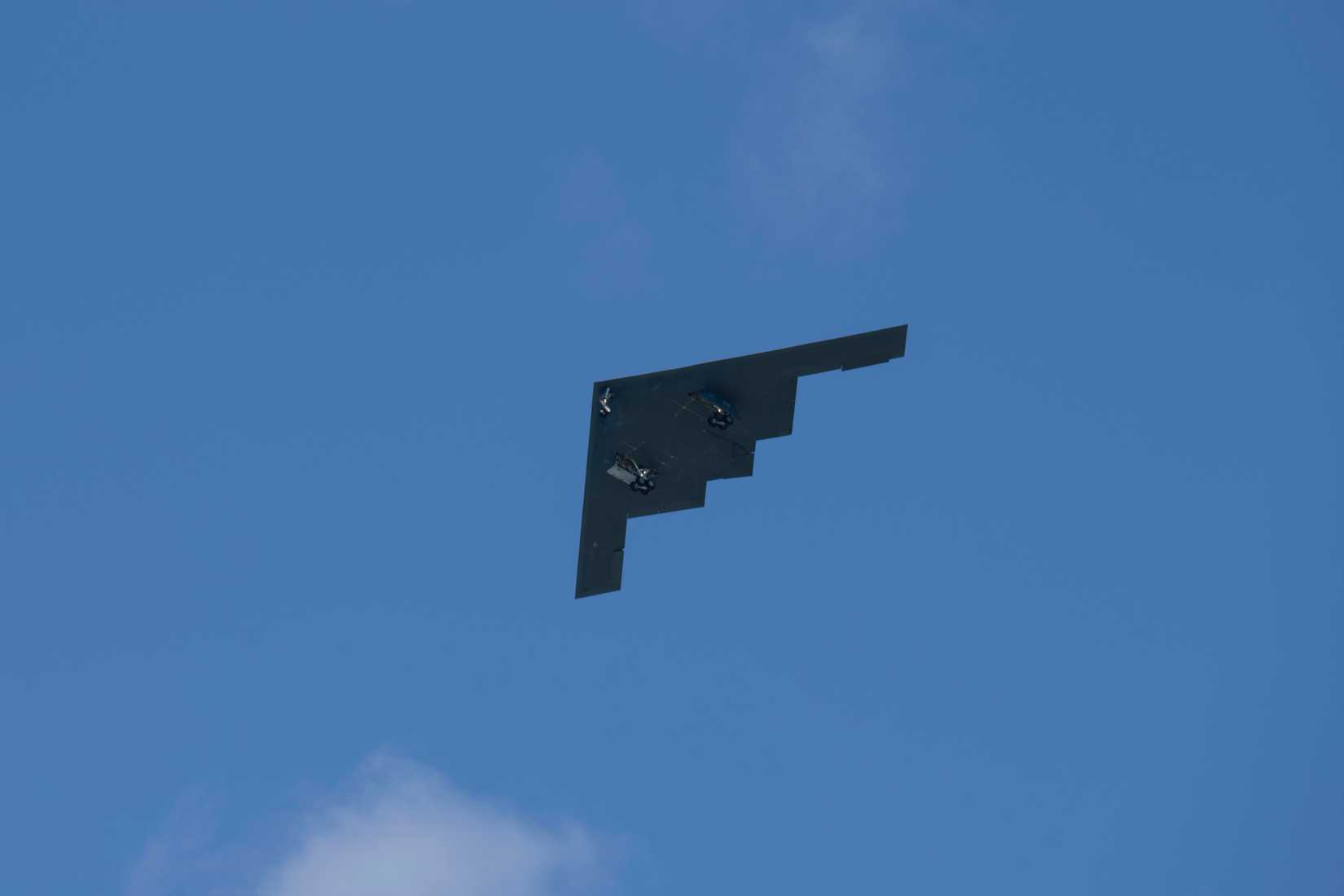
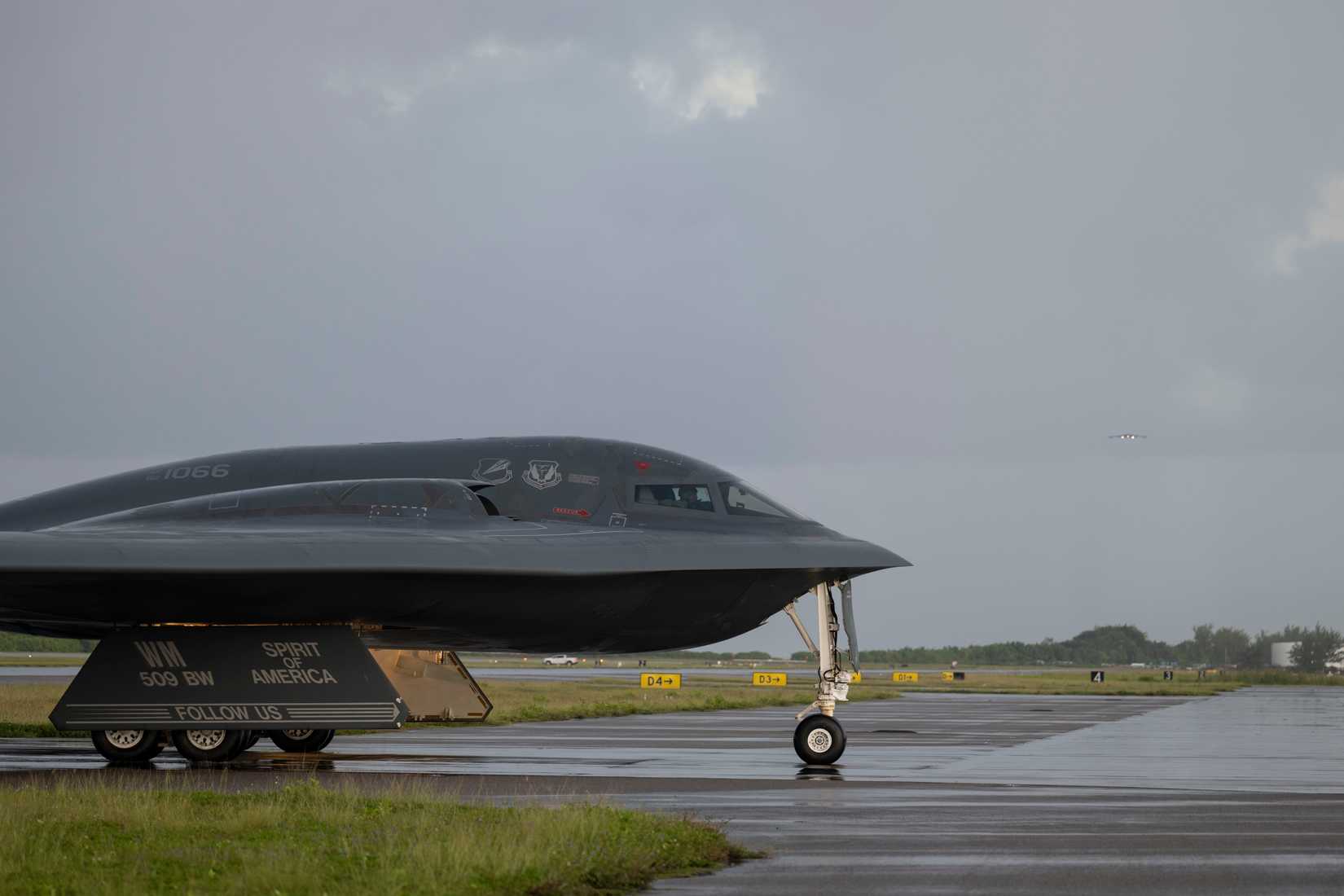
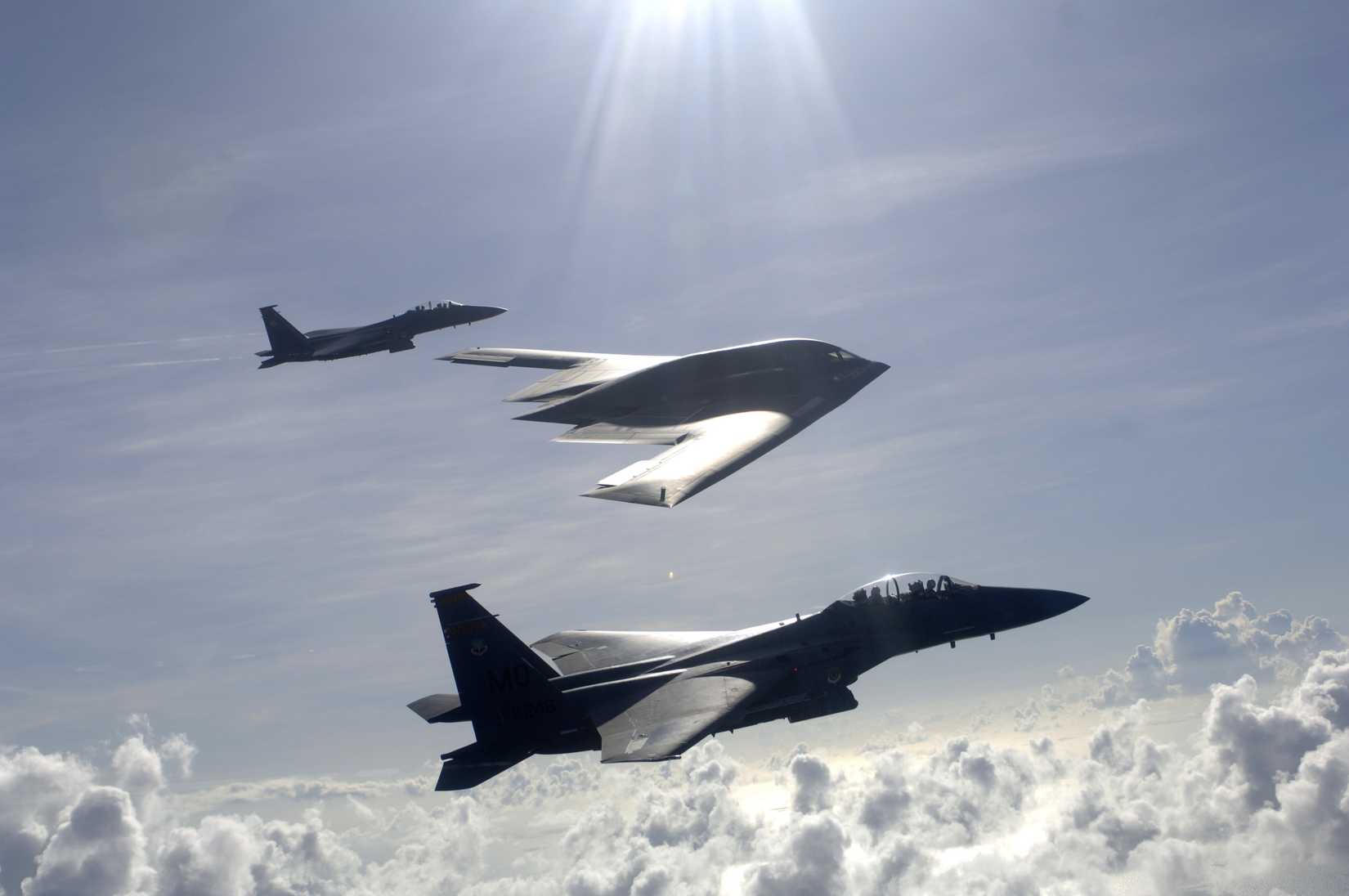
The B-2 Spirit's ability to strike targets anywhere on the globe without forward basing has become one of the US Air Force's most closely guarded operational advantages, and the recent attention on its austere crew rest facilities underscores just how much human endurance factors into that capability. With missions like October 2001's Operation Enduring Freedom strikes stretching to 70 hours round-trip and June 2025's Operation Midnight Hammer against Iran's Fordow facility running roughly 37 hours in the air, the aircraft's two-person crew must manage fatigue, hydration, nutrition, and basic physiological needs in a cockpit environment that offers little more than a fold-down cot and a chemical toilet. This is not incidental trivia; it is a core piece of the operational math that allows the Air Force to hold any target on Earth at risk within a single sortie cycle, without staging aircraft at vulnerable forward bases.
The tactical logic driving this design philosophy has only been reinforced by recent events. Ukraine's Operation Spiderweb in 2025, which destroyed an estimated 20% of Russia's strategic bomber fleet while those aircraft sat parked on ramps, served as a stark reminder that modern airpower is often more vulnerable on the ground than in flight. For an aircraft as symbolically and financially significant as the B-2 — of which only 19-20 remain in the active fleet — that vulnerability calculus pushes planners toward nonstop, tanker-supported missions launched directly from Whiteman AFB rather than staged forward deployments, except when forward presence itself is the message (Guam, Diego Garcia rotations for deterrence signaling). This is a meaningful case study for any crew or operator thinking through basing survivability, dispersal strategy, and the tradeoffs between operational tempo and asset exposure — concepts that translate, in modified form, to corporate flight departments and airlines managing aircraft security and positioning in higher-risk regions.
For working pilots, the B-2 program is an extreme but instructive data point on ultra-long-duration crew rest design and fatigue management, a topic increasingly relevant across commercial and business aviation as ultra-long-haul routes (Singapore-New York, Perth-London, and emerging business jet nonstops exceeding 16-17 hours) push crew endurance limits. The B-2's minimalist rest cot, chemical toilet, and reliance on a two-person crew swapping functional micro-naps rather than deep sleep cycles stands in sharp contrast to the multi-bunk crew rest compartments, augmented crew complements, and FAA/EASA flight time limitation frameworks that govern civilian ultra-long-haul operations. Yet the underlying physiological challenge is identical: sustaining decision-quality alertness across 30-plus hour duty periods. Airlines and business aviation operators investing in in-flight rest technology, crew scheduling software, and fatigue risk management systems are essentially solving a civilian version of the same problem the Air Force has managed with far less equipment for decades.
More broadly, the story reflects a growing public and industry interest in the human factors side of exceptional-duration flight operations, an area that will only grow more relevant as next-generation platforms — the B-21 Raider, future ultra-long-range bizjets, and single-pilot or reduced-crew commercial concepts — force renewed scrutiny of how much workload and physiological stress a flight crew can safely absorb before automation, crew augmentation, or mission redesign becomes necessary. The B-2's "not comfortable, just functional" approach to crew rest is a useful benchmark against which to measure evolving crew rest standards throughout the industry, and a reminder that even the most advanced aircraft in the world remain fundamentally constrained by the endurance of the humans flying them.








 Read original article