The 6 US Airports Quietly Spending JFK-Level Money To Rebuild America's Forgotten Hubs
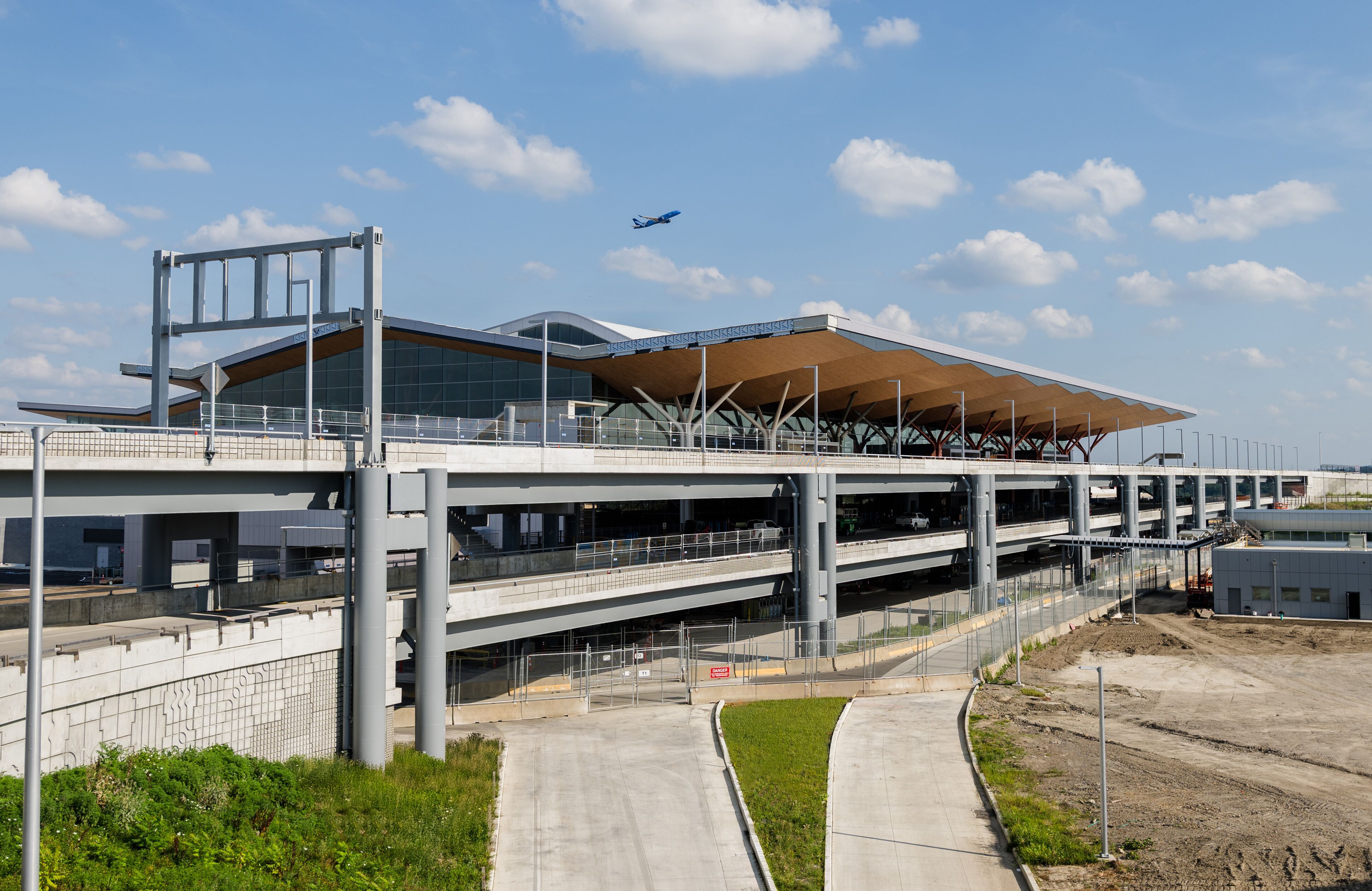
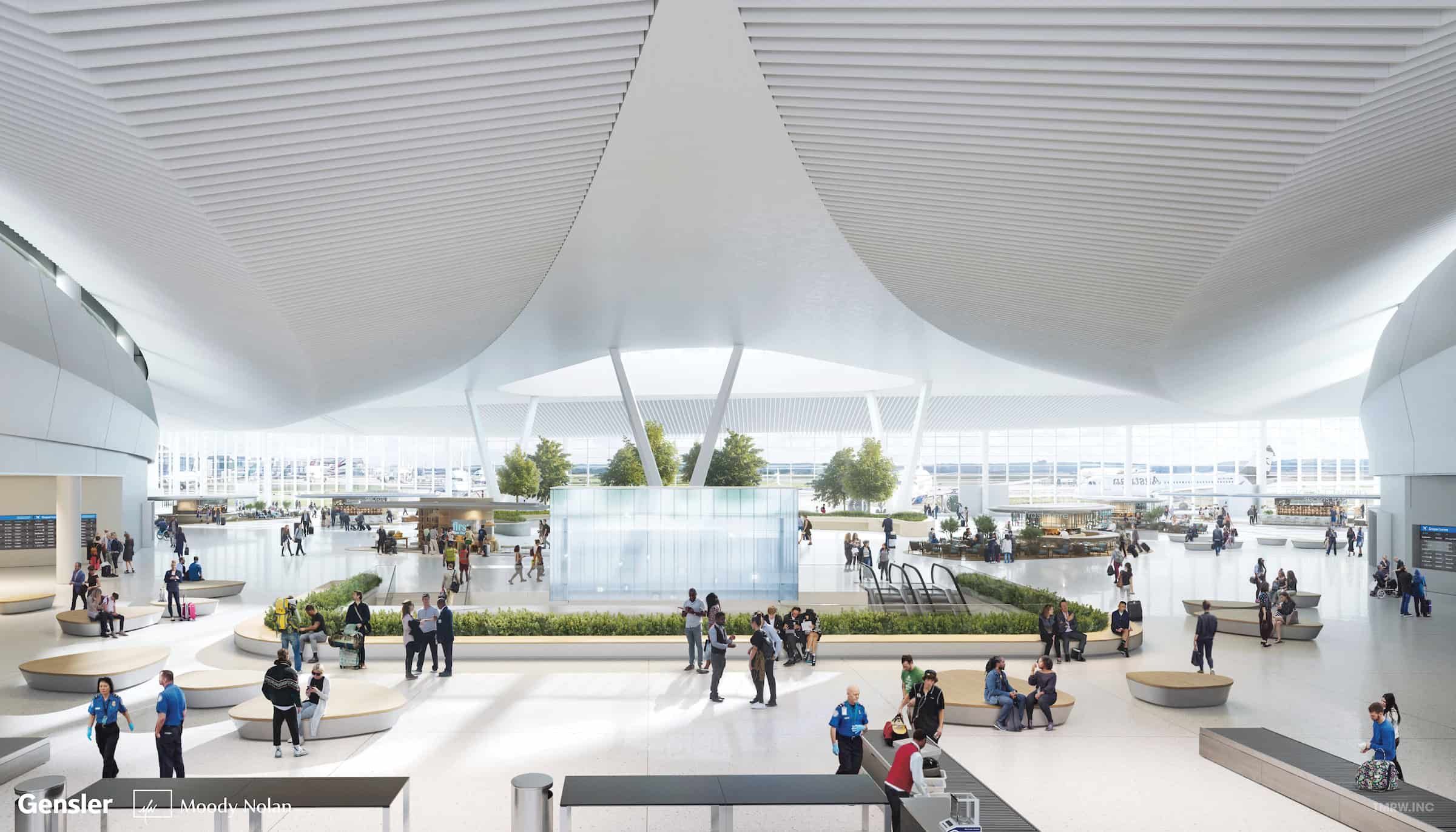
A wave of multi-billion-dollar terminal overhauls is reshaping mid-tier US airports that have long operated in the shadow of the coastal mega-hubs, and the scale of investment now rivals what was once reserved for JFK, LAX, or O'Hare. Sacramento International (SMF) is executing a $1.3 billion "SMForward" plan funded without local tax dollars, adding an 87,400-square-foot skybridge, six new narrowbody gates at Concourse B, a 5,500-space parking garage, and a consolidated rental car center. Tampa International (TPA) is building an entirely new $1.5 billion Airside D terminal with 16 gates capable of handling widebody international service, positioning the airport to absorb growth toward 35 million annual passengers by 2037. Pittsburgh International (PIT) has already opened its $1.7 billion, 811,000-square-foot terminal — a ground-up replacement of its aging 1990s layout that eliminated a costly automated people-mover system in favor of a consolidated landside terminal connected by a 1,300-foot pedestrian bridge, running on an independent solar/natural gas microgrid. These projects sit against a backdrop of a $151 billion national airport capital deficit identified by industry groups, underscoring how infrastructure investment is being forced to catch up with demand that has outpaced 1990s-era facility design almost everywhere outside the largest gateways.
For working pilots, these projects carry operational significance well beyond passenger amenities. New gate capacity at SMF and TPA directly affects schedule reliability and ramp flexibility — additional narrowbody and widebody gates reduce the ground-hold and gate-conflict scenarios that have become endemic at capacity-constrained secondary hubs as regional carriers and low-cost operators add frequencies. Airside D's dedicated CBP facility at Tampa is particularly relevant to international and business aviation operators, since streamlined customs processing reduces turn times and can make a mid-size hub more attractive for diverted international or long-haul charter traffic. Pittsburgh's consolidation of a sprawling multi-terminal complex into a single landside facility, eliminating the people-mover, changes ground movement patterns and taxi routings that flight crews and dispatchers will need to familiarize themselves with as the new layout matures operationally. Any pilot flying scheduled or charter service into these fields should expect NOTAM activity, taxiway reconfiguration, and possible temporary procedure changes throughout these multi-year construction phases, which is standard but non-trivial for crews accustomed to legacy airport diagrams.
The broader significance is the shift in where US aviation capital is flowing. For two decades, mega-projects were concentrated at JFK's terminal redevelopment, LAX's modernization ahead of the 2028 Olympics, and similar coastal gateway efforts. The fact that Sacramento, Tampa, and Pittsburgh are now deploying capital at nine- and ten-figure scale signals that secondary hubs have become the primary battleground for airline capacity growth, driven by population shifts to Sun Belt and secondary metro markets, corporate relocation trends, and post-pandemic leisure travel patterns that favor point-to-point service over connecting through legacy hubs. This has direct implications for network planners and business aviation operators alike: as commercial terminal capacity expands at these fields, general aviation and FBO operations may face increased pressure on ramp space, slot availability, and airspace congestion in terminal areas that were previously less constrained. Airlines evaluating new route additions, corporate flight departments planning trips into these markets, and charter operators should treat this infrastructure wave as an early signal of where traffic density — and therefore congestion, delay risk, and competition for parking and gate access — is heading over the next five to ten years. The $151 billion national deficit figure also suggests this is only the beginning; expect similar announcements from other mid-tier hubs as airports compete for airline investment and passenger volume that the coastal giants can no longer absorb alone.






 Read original article