Sun Country Airlines Will Be Out Once A Single Operating Certificate Arrives, Executive Says
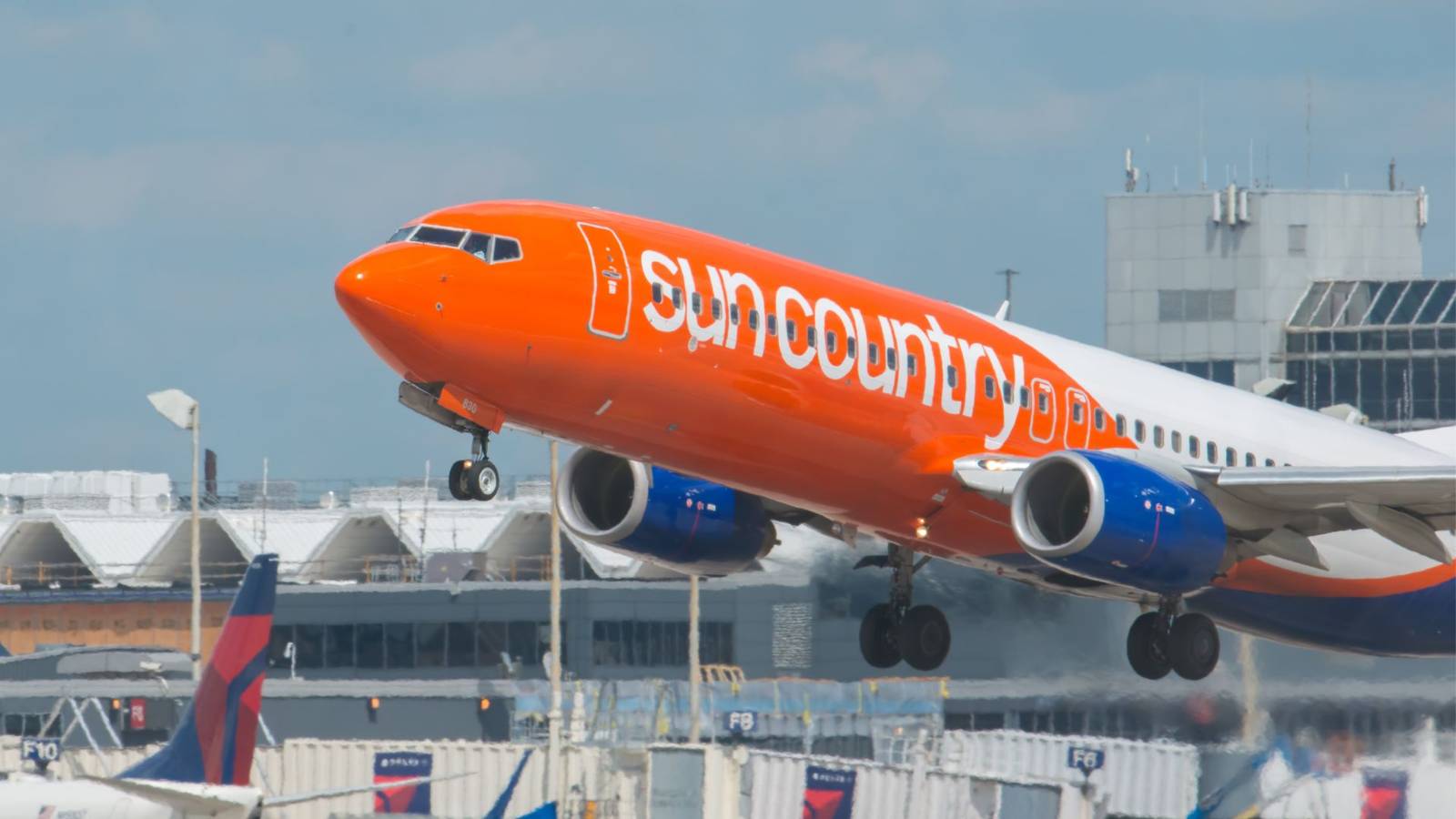
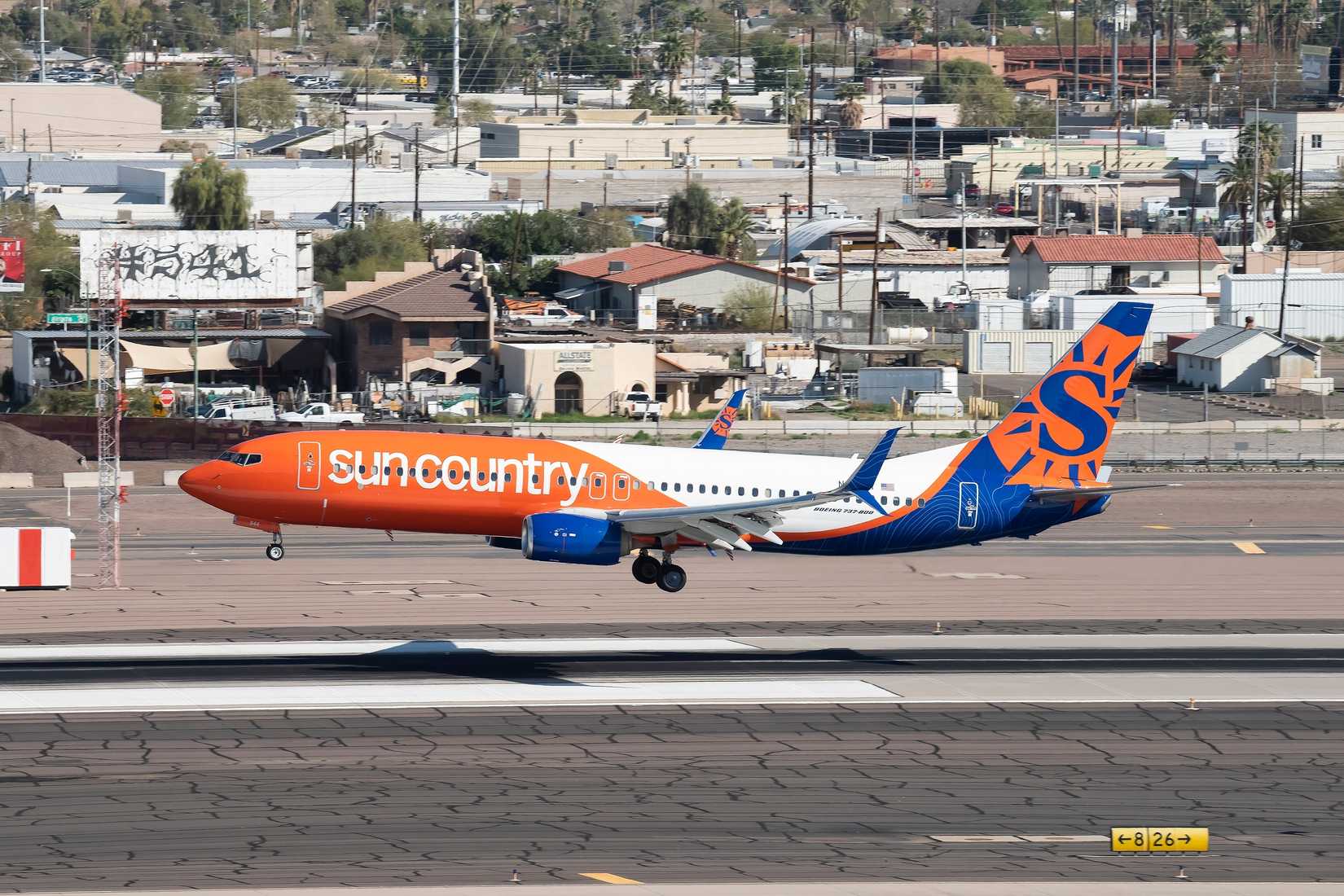
Sun Country Airlines' merger with Allegiant Air, completed in May, is now moving toward its inevitable conclusion: the retirement of a brand that has operated independently since 1983. An Allegiant executive confirmed to USA Today that once the two carriers achieve a single FAA operating certificate, Sun Country will cease to exist as a separate identity, with all flying eventually consolidated under the Allegiant brand. Importantly, this transition will not happen overnight. Company representatives emphasized the process will be "measured in years, not weeks," reflecting the deliberate pace the FAA requires for certificate consolidation—a process that demands full harmonization of safety management systems, training programs, operations manuals, and maintenance procedures before regulators will sign off on merging two air carrier certificates into one.
For working pilots, this single operating certificate (SOC) process is the critical bottleneck that will determine timelines for seniority integration, contract harmonization, and fleet assignment. Airline mergers historically show that the SOC milestone is where labor friction concentrates, as pilot groups from both carriers negotiate seniority list integration, work rules, and base assignments under a unified Part 121 certificate. Sun Country brings roughly 47 passenger 737NGs plus a notable 20-aircraft freighter fleet flying Amazon cargo contracts, while Allegiant operates a mixed Airbus A320-family and Boeing 737 MAX fleet. Reconciling training curricula, type ratings, and crew scheduling systems across three different airframe families (737NG, 737 MAX, A320) is a nontrivial operational challenge that will directly shape how pilots at both carriers experience the next several years—likely including retraining, base consolidation questions, and shifts in domicile stability, particularly around Sun Country's Minneapolis-St. Paul hub, which Allegiant has pledged to preserve as a key operating base even after the brand disappears.
This deal is emblematic of a broader consolidation wave reshaping the U.S. leisure and ultra-low-cost carrier segment. With a combined fleet of roughly 195 aircraft, 30 more on order, and options for 80 additional airframes, the merged carrier becomes the eighth-largest airline in the U.S., a scale shift that changes competitive dynamics against Southwest, JetBlue, Spirit, and Frontier in secondary and leisure markets. The $1.5 billion transaction and projected $140 million in annual synergies underscore how much value acquirers see in combining point-to-point leisure networks, seasonal capacity flexibility, and diversified revenue streams like Sun Country's charter and cargo operations. For an industry still digesting the aftermath of the blocked JetBlue-Spirit merger and ongoing consolidation pressure among low-cost carriers, this deal demonstrates that regulators remain more receptive to combinations among smaller, non-legacy players than to mergers threatening to significantly reduce competition in major hub markets.
More broadly, the Sun Country-Allegiant integration reflects a maturing ULCC/leisure-carrier segment where standalone scale is increasingly viewed as insufficient to compete profitably against both legacy network carriers and larger low-cost rivals. Pilots and operations personnel at both airlines—and at other mid-size and regional carriers watching this integration unfold—should view the SOC certification timeline as the definitive marker of when meaningful operational, contractual, and cultural integration will actually take hold. Until that certificate is granted, Sun Country continues flying under its own name and certificate, but its long-term absorption into Allegiant is no longer a matter of if, but precisely when the FAA process concludes.








 Read original article