New Flagship: Delta Air Lines Targeting 1st Airbus A350-1000 To Enter Service In June 2027
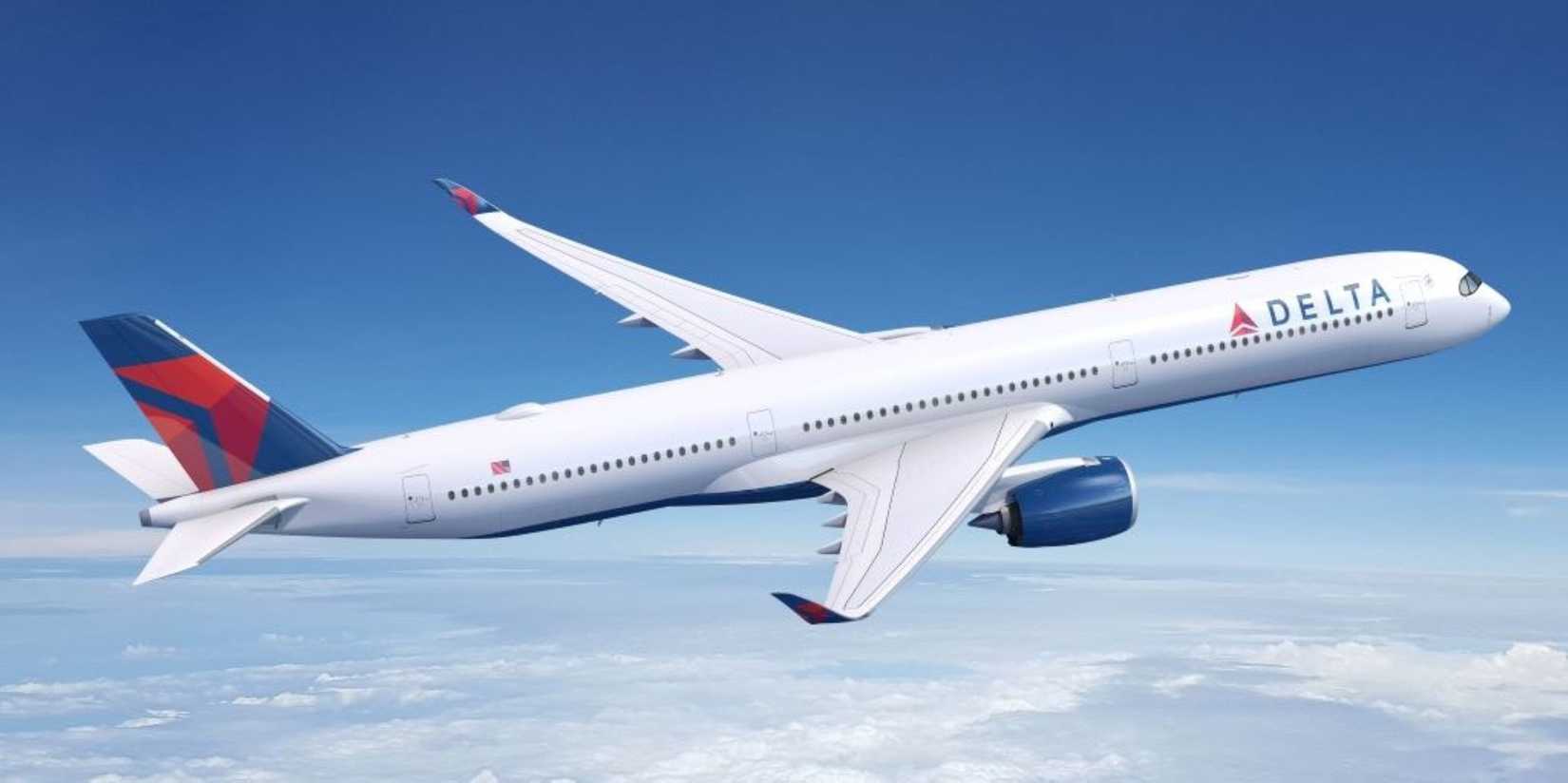
Delta Air Lines is on track to introduce the Airbus A350-1000 into scheduled service by June 2027, according to reporting from aviation analyst JonNYC, marking a significant evolution in the carrier's widebody strategy. The order for 20 aircraft, placed in 2024, represents Delta's first commitment to Airbus' largest A350 variant and will position the type as the airline's new flagship, surpassing even its existing A350-900s in size and capacity. At roughly 242 feet in length—about 23 feet longer than the -900—the A350-1000 will bring Delta's confirmed configuration to 314 seats, including 53 Delta One Suites and 48 Premium Select seats, a layout that clearly favors premium yield over maximum density. This is a deliberate strategic choice: rather than chasing the 400-plus seat high-density configurations the aircraft is capable of, Delta is doubling down on the long-haul premium travel segment that has driven much of its post-pandemic profitability.
For working pilots, particularly those in Delta's widebody cadres or eyeing a transition to international flying, this development carries direct implications for training pipelines, bidding strategies, and career planning over the next several years. Because the A350-1000 shares a common type rating and cockpit commonality with the A350-900, transition training for current A350-900 crews should be relatively streamlined, likely involving differences training rather than a full type-rating course. This commonality strategy—also evident across Delta's broader Airbus fleet spanning the A220, A320 family, A330, and A350—reduces training burden and preserves crew flexibility, a factor that matters increasingly to pilots as carriers optimize scheduling and minimize the cost and disruption of standing up entirely new fleets. Dispatchers, maintenance planners, and ground operations teams will likewise benefit from parts and procedural commonality with the existing A350-900 fleet, easing the operational integration of the new type into Delta's network.
The broader significance of this order extends beyond Delta's own fleet planning and speaks to a larger trend reshaping long-haul commercial aviation: the shift toward efficient twin-engine widebodies capable of ultra-long-range missions previously reserved for four-engine aircraft like the 747 or A380. With a range approaching 8,700 nautical miles, the A350-1000 gives Delta the ability to open or strengthen thin, high-value routes connecting the U.S. to secondary international markets without the fuel burn and trip costs associated with older-generation widebodies. Rolls-Royce Trent XWB engines and composite airframe construction deliver roughly 25% improvements in fuel burn and emissions versus legacy types, a factor that resonates with airlines' sustainability commitments and, more practically, with their exposure to volatile fuel costs. This mirrors moves by other global carriers—most notably Qantas, whose Project Sunrise initiative will deploy 12 A350-1000s on ultra-long-haul nonstop routes between Australia and London or New York, demonstrating the type's versatility from premium-dense regional configurations to ultra-long-range, lower-density layouts.
For flight operations and network planning departments, Delta's move also underscores how legacy carriers are using next-generation widebody deliveries to reset their competitive position on international premium routes against Star Alliance and Middle Eastern carriers who have aggressively expanded long-haul premium products. With the A350 program now exceeding 1,500 orders globally, Delta's decision reinforces confidence in the platform's reliability and dispatch performance, both of which are critical considerations for crews operating extended-range twin-engine transoceanic missions under ETOPS constraints. As the June 2027 target approaches, expect Delta to begin publishing more specific route plans, crew bidding timelines, and training schedules, giving pilots a multi-year runway to plan bids, seniority moves, and qualification paths toward what will be the airline's most capable and highest-density premium long-haul aircraft.






 Read original article