Why United Airlines Just Sent 14 Boeing 777-200s To The Desert Instead Of Fixing Its Pratt & Whitney Engines
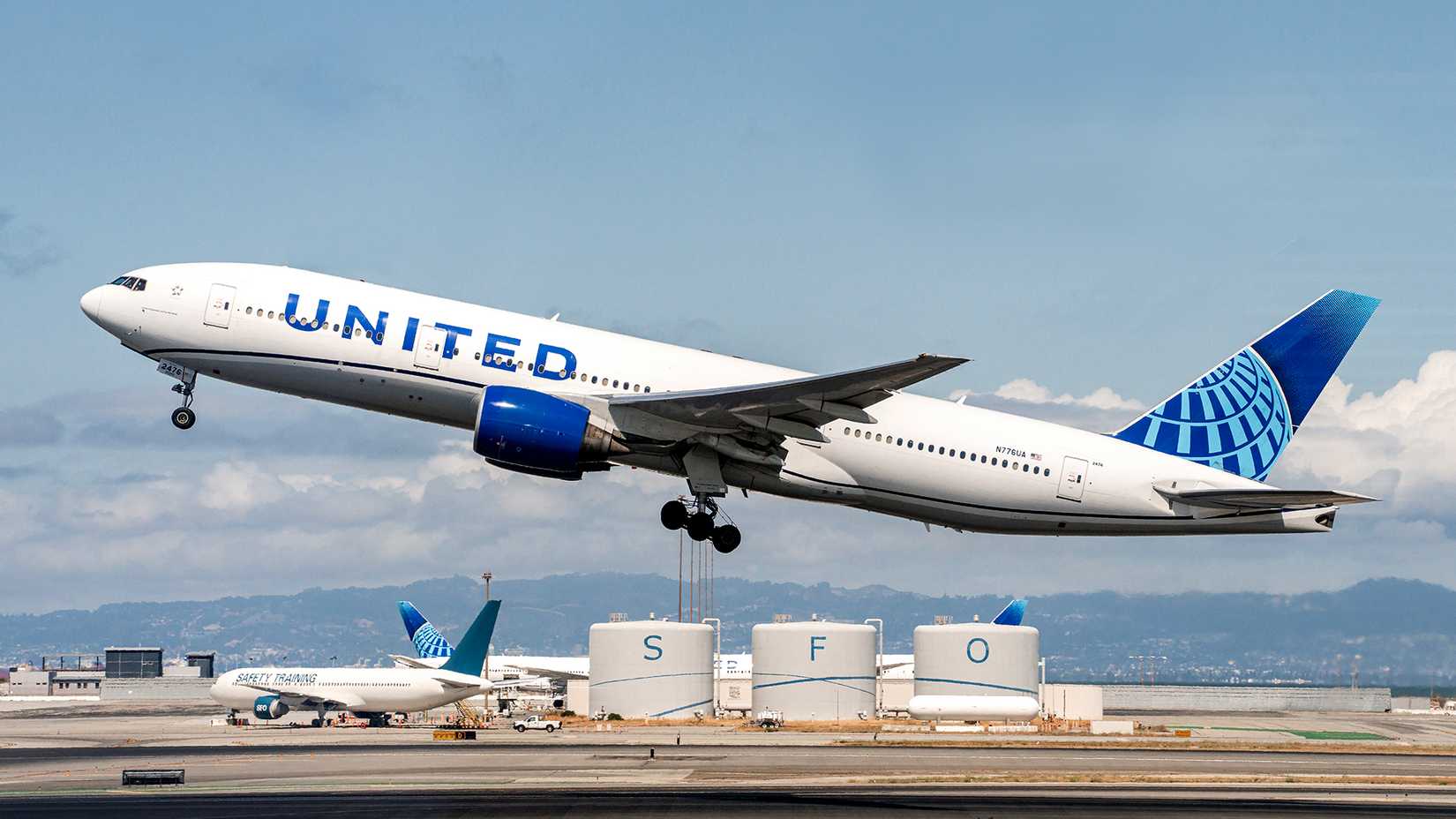
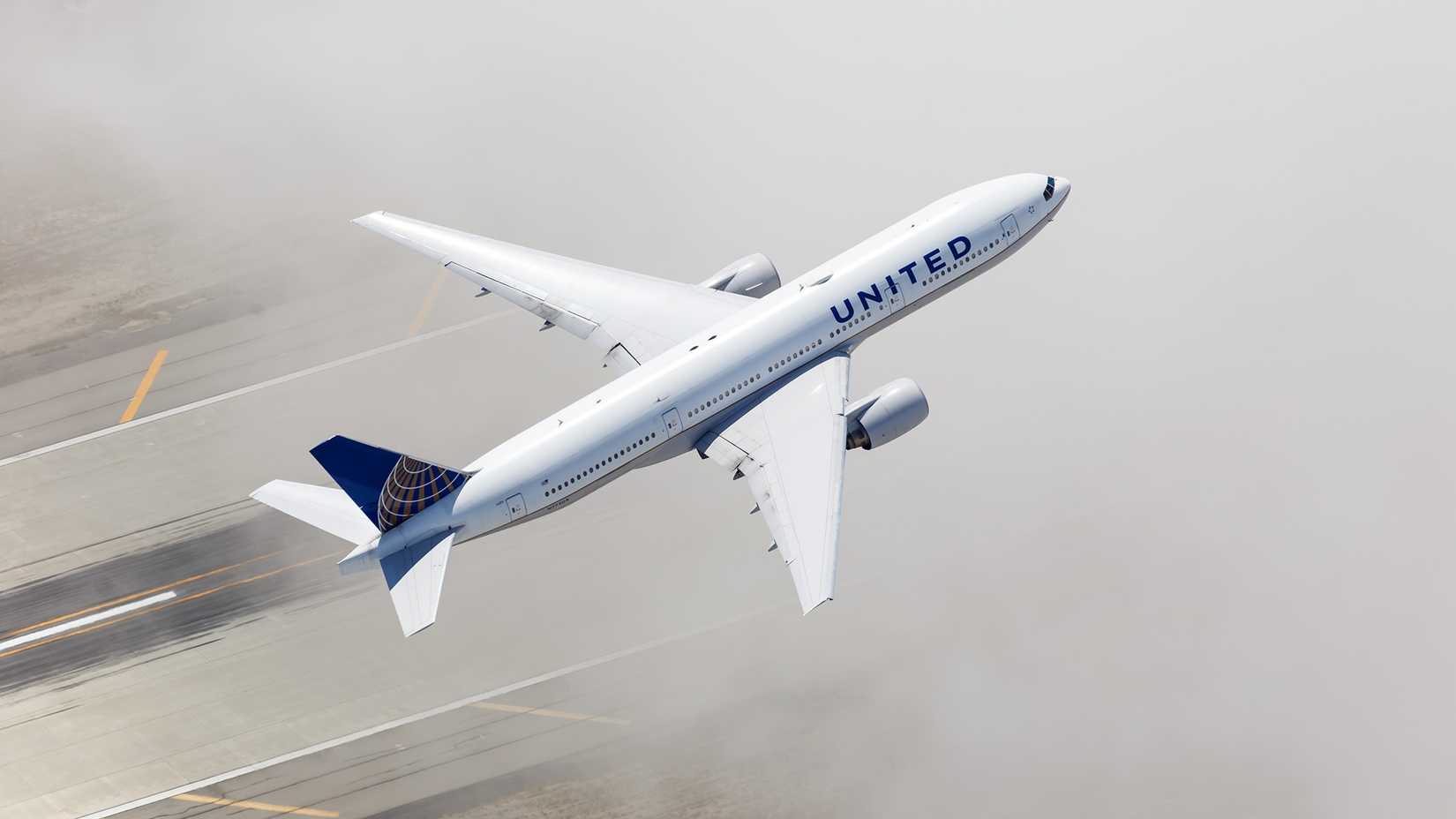
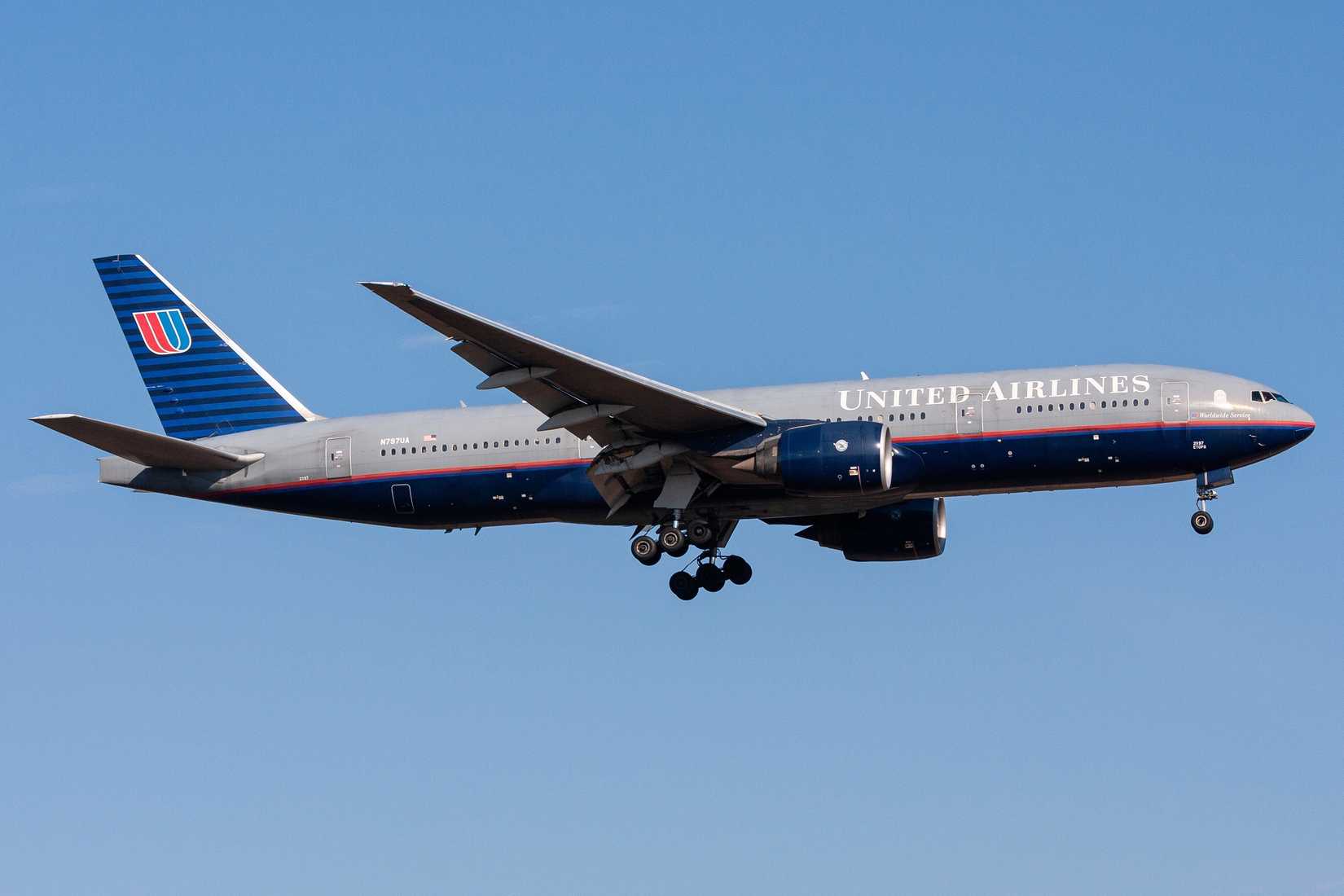
United Airlines' decision to park 14 Pratt & Whitney PW4000-powered Boeing 777-200s at Victorville rather than commit to a costly nacelle redesign program illustrates how a safety directive born from a single dramatic incident can reshape fleet strategy years down the line. The chain of events traces back to United Flight 328's February 2021 uncontained engine failure, which exposed structural weaknesses in the fan cowl, inlet, and core case components during a fan-blade-out event. What followed was not a simple bolt-on fix but a full integrated redesign of containment structures, latches, hinges, and attachment fittings—each requiring extensive certification testing. The FAA's newly announced extension, pushing final compliance to March 2033 with Boeing's design work due by March 2029, formally acknowledges what industry observers have suspected for some time: the engineering scope proved far more complex than originally estimated, and the broader MRO ecosystem lacks the capacity to execute the program on the original schedule.
For working pilots and flight operations planners, this story is a useful case study in how airworthiness directives cascade into fleet and scheduling decisions well beyond the immediate technical fix. Heavy maintenance capacity remains a binding constraint across the industry, with widebody check slots, skilled technician availability, and component supply chains all under pressure as carriers keep aging aircraft flying longer than planned. Layering a mandatory nacelle modification onto that already-strained system risked pulling too many aircraft out of service simultaneously, which is precisely why the FAA opted for a longer runway rather than an accelerated mandate. Crews and schedulers at PW4000-operator airlines should expect continued fleet mix uncertainty on 777-200 routes, with aircraft availability increasingly dictated by modification sequencing rather than pure utilization planning.
The economics underlying United's Victorville decision are stark: industry estimates put total fleet-wide compliance costs at $500-750 million, with United—the largest operator of PW4000-powered 777-200s—potentially absorbing $250-350 million of that burden. Against aircraft already in their third decade of service, that math tilts decisively toward retirement rather than reinvestment. This is a familiar pattern in commercial aviation lifecycle economics: when a regulatory mandate coincides with an airframe/engine combination nearing the end of its useful economic life, carriers frequently choose managed retirement over compliance spending, especially when replacement capacity is already on order. United's substantial 787 and A350 backlog gives it a clear off-ramp that PW4000 777 operators without robust widebody orders may lack.
More broadly, this episode reflects a recurring theme in the current fleet-renewal cycle: legacy engine programs with known structural vulnerabilities—whether PW4000 nacelles, older CFM56 variants, or early-generation composite structures—are increasingly expensive to keep airworthy relative to their remaining service value. Combined with persistent MRO bottlenecks and supply chain constraints on structural components and fasteners, airlines are finding it harder to justify life-extension investments even on otherwise capable airframes. For pilots, dispatchers, and maintenance planners, the takeaway is that regulatory compliance timelines are no longer purely technical or safety questions—they are increasingly proxies for fleet retirement decisions, meaning aircraft assignments, training pipelines, and route planning around affected fleets should be watched closely as more carriers face similar cost-versus-retirement calculations in the years ahead.










 Read original article