Why Did Boeing Build The 737 MAX With Engine Chevrons?
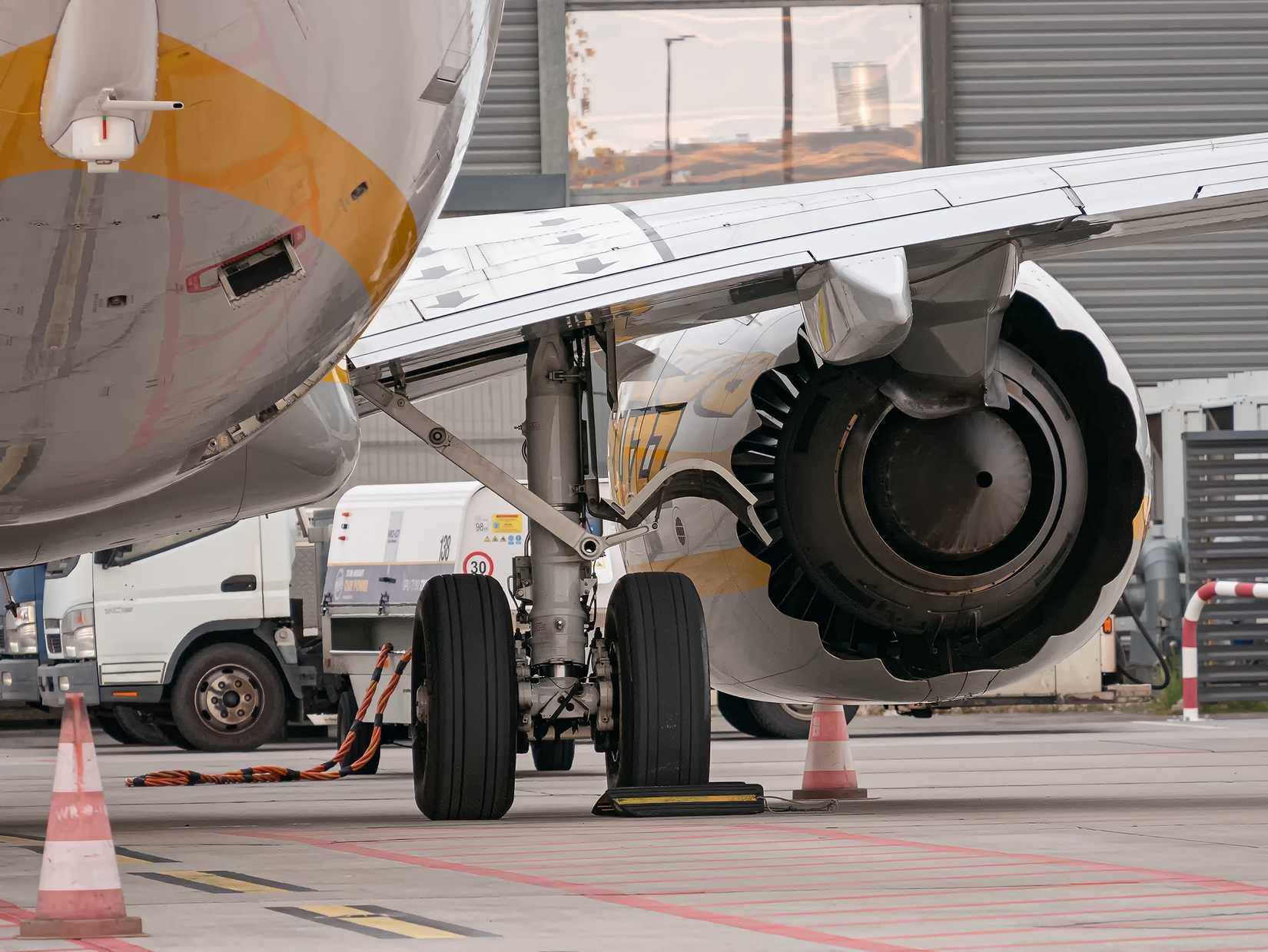
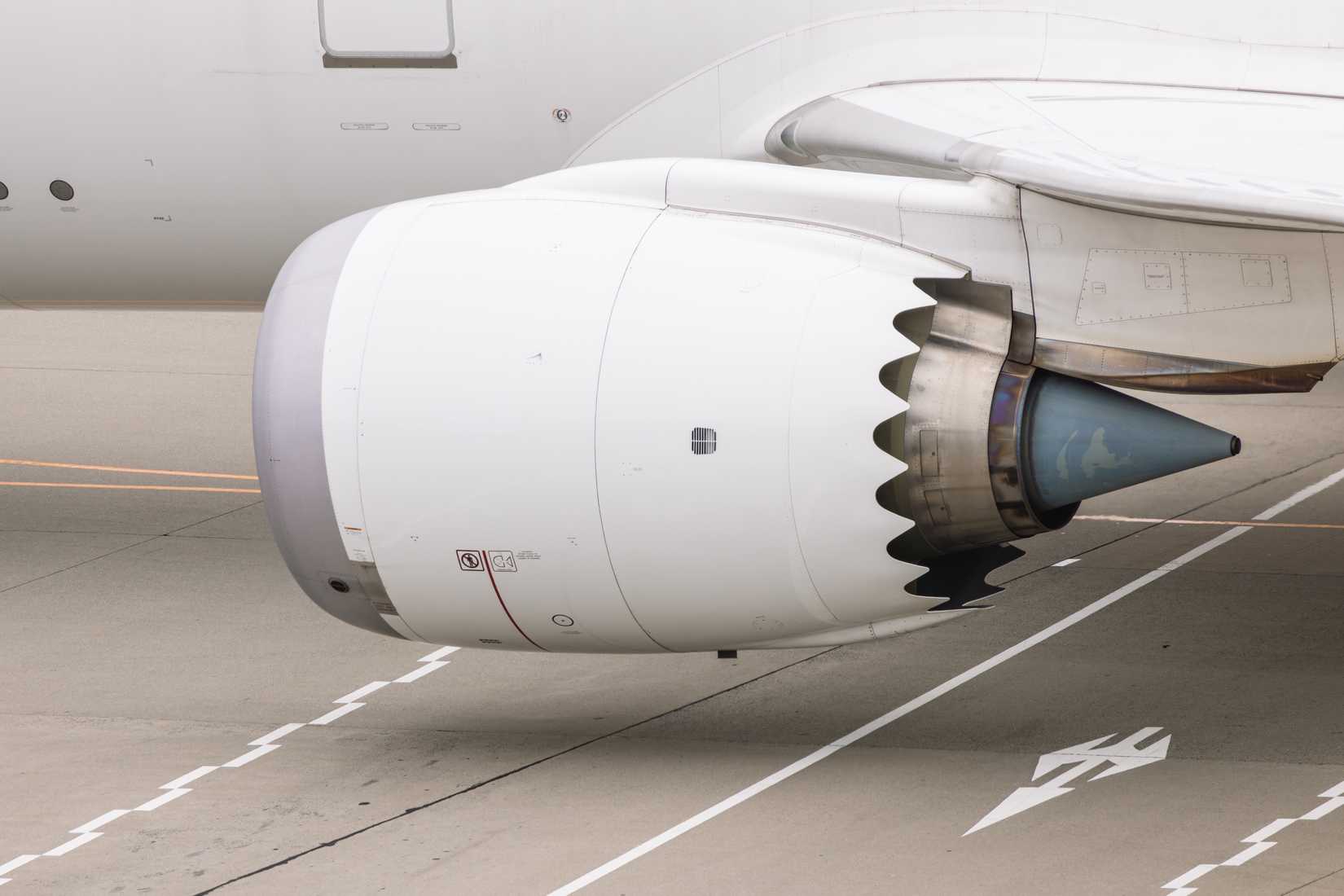
The distinctive sawtooth pattern visible on the trailing edge of the Boeing 737 MAX's engine nacelles and nozzles is not a styling choice but the product of decades of noise-reduction engineering driven by regulatory necessity. These chevrons emerged from a partnership between Boeing, General Electric, and NASA in the early 2000s, timed to the FAA's rollout of Stage 4 noise standards. The technology works by breaking up the violent mixing of hot core exhaust and cooler bypass air into smaller, more controlled vortices, reducing the turbulence that generates jet noise at the source. Combined with high-bypass-ratio engine architecture, which itself cut noise by 30-50% over earlier low-bypass designs, chevrons have allowed manufacturers to shave several additional decibels off takeoff noise, according to figures cited by 737 MAX pilot and Mentour Pilot creator Petter Hörnfeldt—enough to help aircraft meet the FAA's current Stage 5 requirements.
For working pilots, this history is a useful reminder that noise compliance is now inseparable from aircraft performance and dispatch reliability. Stage 5 limits, along with local noise abatement procedures at noise-sensitive airports, directly shape departure profiles, thrust-reduction altitudes, and preferred runway usage at many fields. Understanding that chevrons and engine bypass ratio are engineered specifically to buy margin against these noise limits helps crews appreciate why certain aircraft types have more flexibility on noise-restricted departures than others, and why noise certification data matters as much as performance charts when planning operations into community-sensitive airports. It also explains a secondary benefit relevant to line pilots and cabin crew alike: because chevrons reduce noise at the source, manufacturers can strip out some of the heavy acoustic insulation historically packed into the fuselage, trimming empty weight and improving fuel burn—a detail that ties directly into payload and range planning.
The engineering trade-offs behind chevron technology are equally instructive for operators and maintenance planners. NASA researcher James Bridges' candid admission that early iterations sometimes "made the problem worse instead of better" underscores how iterative and empirical this kind of acoustic engineering remains, even with sophisticated modeling tools. Durability has also proven to be a persistent challenge, since chevrons sit in a punishing thermal and vibrational environment at the back of the engine, exposed to repeated heat cycling that can accelerate fatigue and cracking. Maintenance teams and reliability engineers tracking nacelle and nozzle inspections should recognize that these components, while aerodynamically beneficial, carry their own upkeep burden distinct from the core engine.
More broadly, chevron technology sits within a decades-long arc of noise regulation reshaping airframe and engine design, from the shift away from Stage 2-compliant aircraft like the 727 and original DC-9, through Stage 3 in the late 1970s, to today's Stage 5 mandate for new jets and large turboprops. This regulatory pressure has been a persistent driver of innovation across commercial and business aviation, pushing manufacturers toward larger fan diameters, geared turbofans, and acoustic treatments long before fuel efficiency and emissions became equally prominent design drivers. As airports continue to expand into populated areas and community noise complaints remain a political flashpoint for airport capacity and curfew debates, pilots and operators should expect noise performance to remain as tightly scrutinized as fuel efficiency and emissions in future aircraft and engine programs, with technologies like chevrons representing an early, visible example of how regulatory pressure translates directly into the hardware crews fly every day.






 Read original article