Ireland’s Manna Launches U.S. Drone Delivery Scale-Up In Tulsa
Manna Aero's decision to establish a full-scale manufacturing and remote operations hub in Tulsa, Oklahoma, marks a significant inflection point for the Irish drone delivery company and for the broader trajectory of small-package unmanned aircraft operations in the United States. Having built up roughly two and a half years of operational experience in Texas, Manna is now moving beyond limited trials toward a production-scale footprint, with delivery flights slated to begin in September. The choice of Tulsa is notable: Oklahoma has positioned itself as a proactive state for advanced air mobility and drone integration, offering regulatory cooperation, test infrastructure, and workforce incentives that have attracted multiple UAS and AAM ventures. For Manna, establishing both manufacturing and remote operations in a single U.S. location signals an intent to vertically integrate its supply chain domestically rather than relying solely on aircraft built and supported from Ireland, reducing certification friction and logistics complexity as it scales.
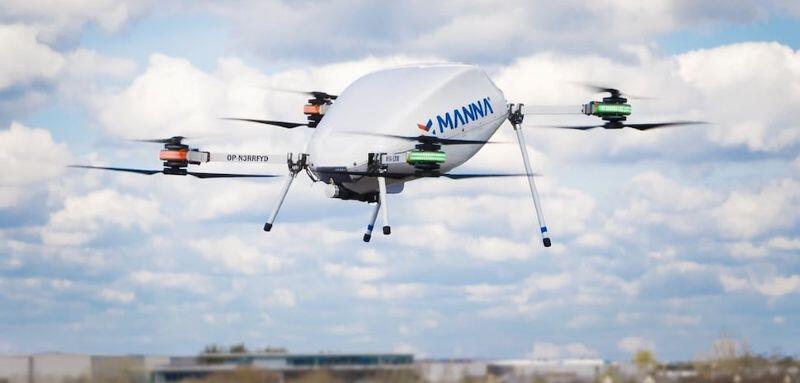
For working pilots and aviation operators, this development is part of a steadily expanding pattern of low-altitude, uncrewed aircraft operations sharing the National Airspace System with traditional manned traffic. Manna's platform—a hovering drone that lowers packages via winch rather than landing—reflects an operational concept designed to minimize ground risk and airspace dwell time, but it still requires deconfliction with local traffic patterns, agricultural aviation, medevac helicopters, and general aviation operating under Part 91 in and around Tulsa. As delivery drone networks move from pilot programs to scaled commercial operations, GA pilots and flight schools in affected areas will increasingly need to account for structured drone corridors, notified operating areas, or BVLOS (beyond visual line of sight) waivers in their preflight planning and situational awareness, particularly at uncontrolled fields and in the traffic pattern altitudes drones typically occupy.
More broadly, Manna's Tulsa expansion is emblematic of the maturation curve now underway across the drone delivery sector, following years of FAA rulemaking work on BVLOS operations, Part 108 development, and UTM (UAS Traffic Management) frameworks intended to enable routine, scaled uncrewed operations without case-by-case exemptions. Companies like Zipline, Wing, and Amazon Prime Air have already demonstrated regional delivery networks, and Manna's move suggests confidence that the regulatory and infrastructure environment in the U.S.—especially in drone-friendly states—is now sufficiently mature to support foreign entrants scaling domestic manufacturing and operations rather than merely running FAA-supervised trials. This has implications for airport and heliport operators, air traffic managers, and Part 135 cargo operators, all of whom will increasingly compete for and coordinate low-altitude airspace with drone delivery fleets.
Finally, the Tulsa announcement underscores a broader theme resonating across commercial, business, and general aviation: the blurring of lines between traditional aviation infrastructure and the emerging AAM/drone ecosystem. Manufacturing facilities, remote operations centers, and workforce training pipelines built for drone delivery closely mirror those being established for eVTOL air taxi and cargo operations, suggesting overlapping talent pools, supply chains, and airspace integration challenges. Pilots and operators should expect that as companies like Manna scale from regional trials to national networks, coordination requirements—NOTAMs, temporary flight restrictions, and shared-use airspace procedures—will become a more routine part of flight planning, particularly near mid-size metro areas like Tulsa that are positioning themselves as AAM hubs ahead of larger coastal markets.







 Read original article