Three Points Archives - The Air Current
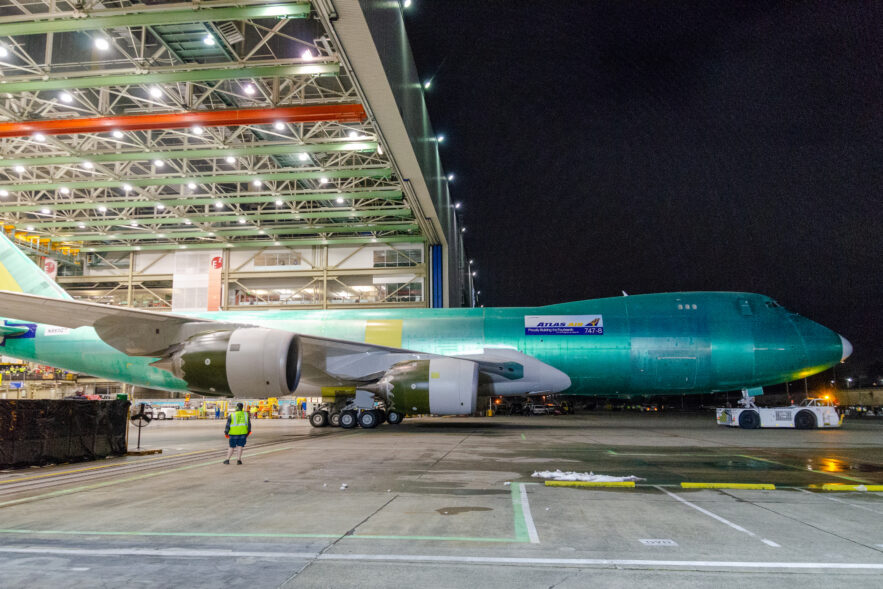
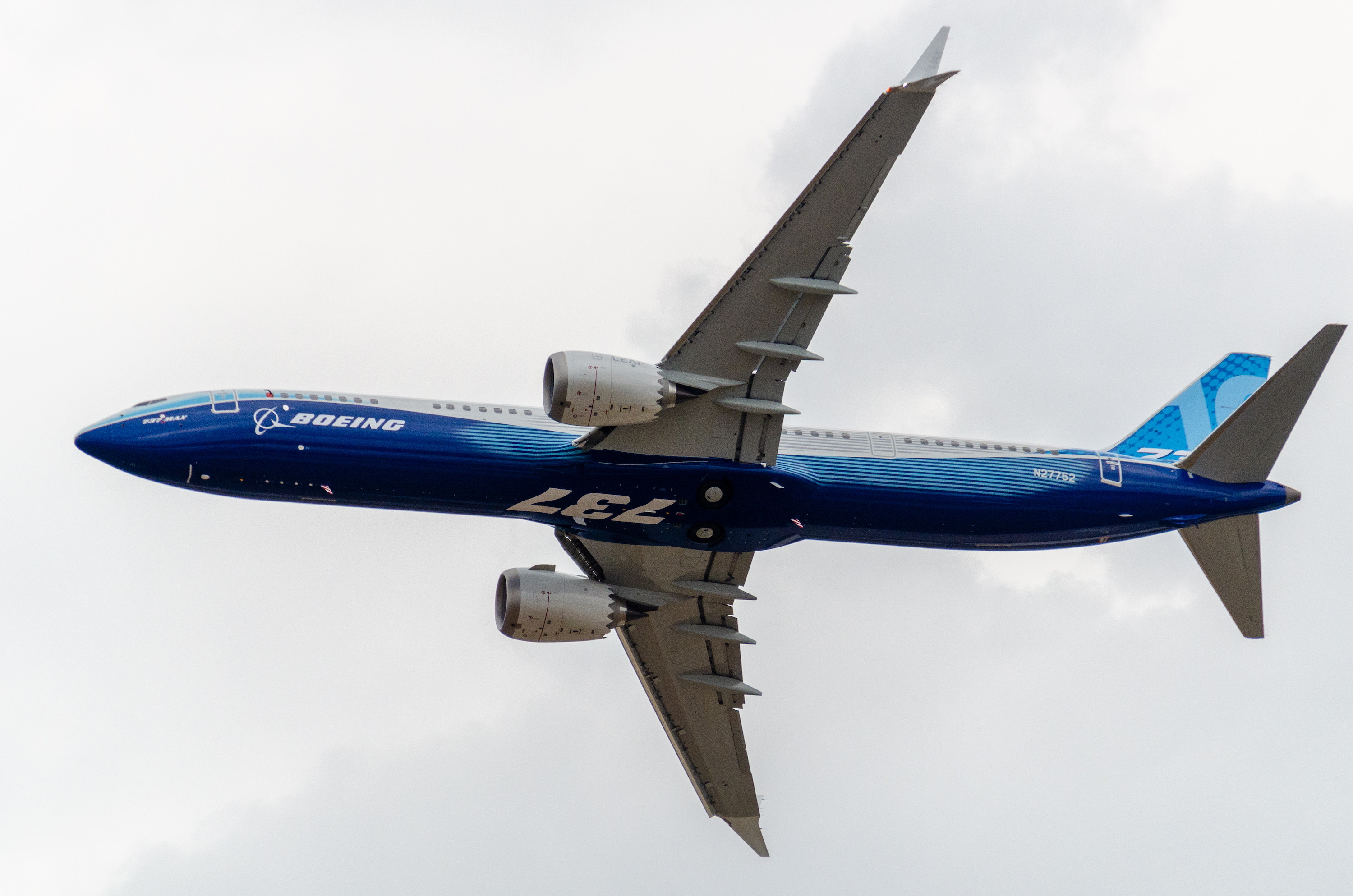
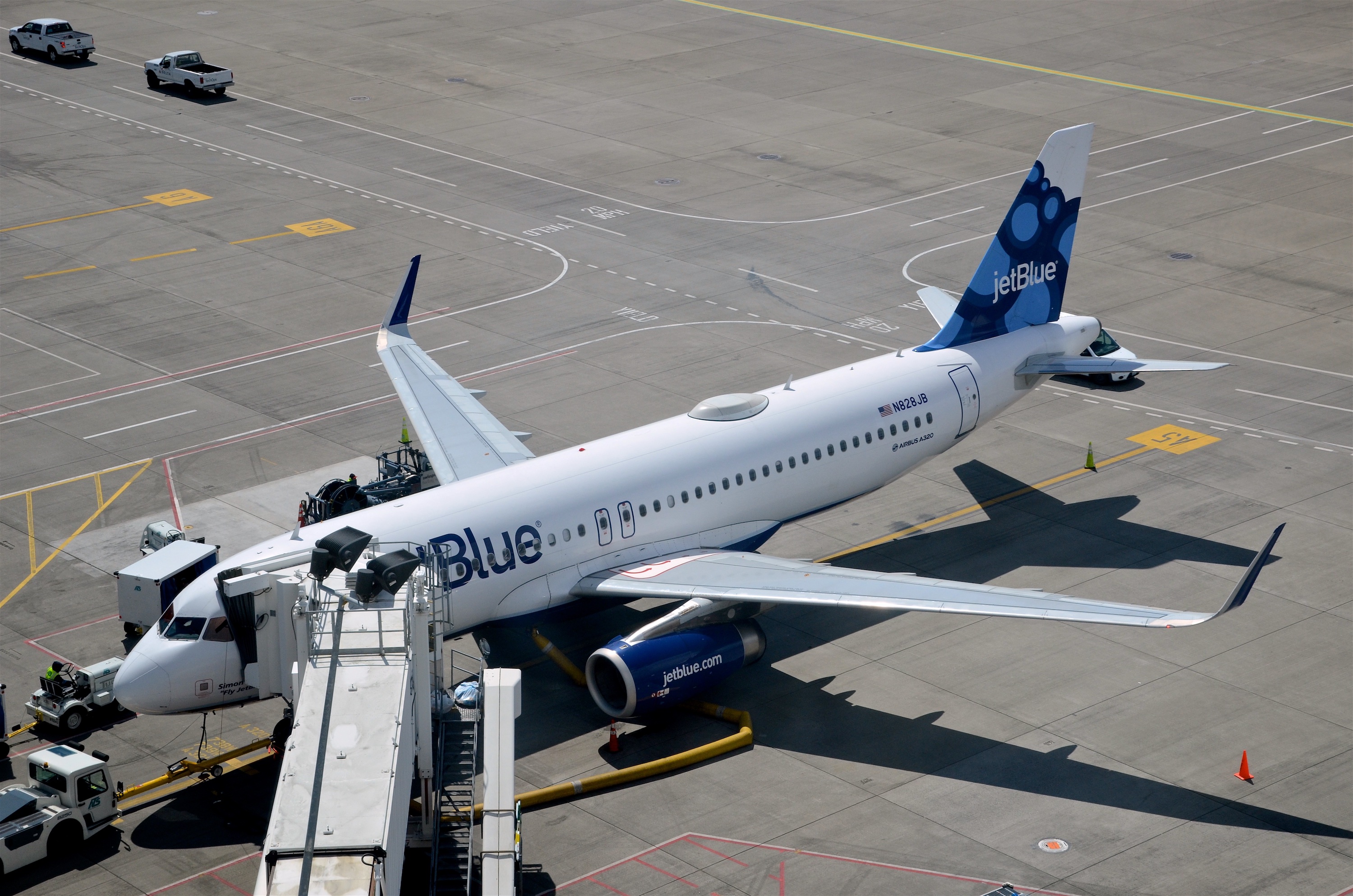
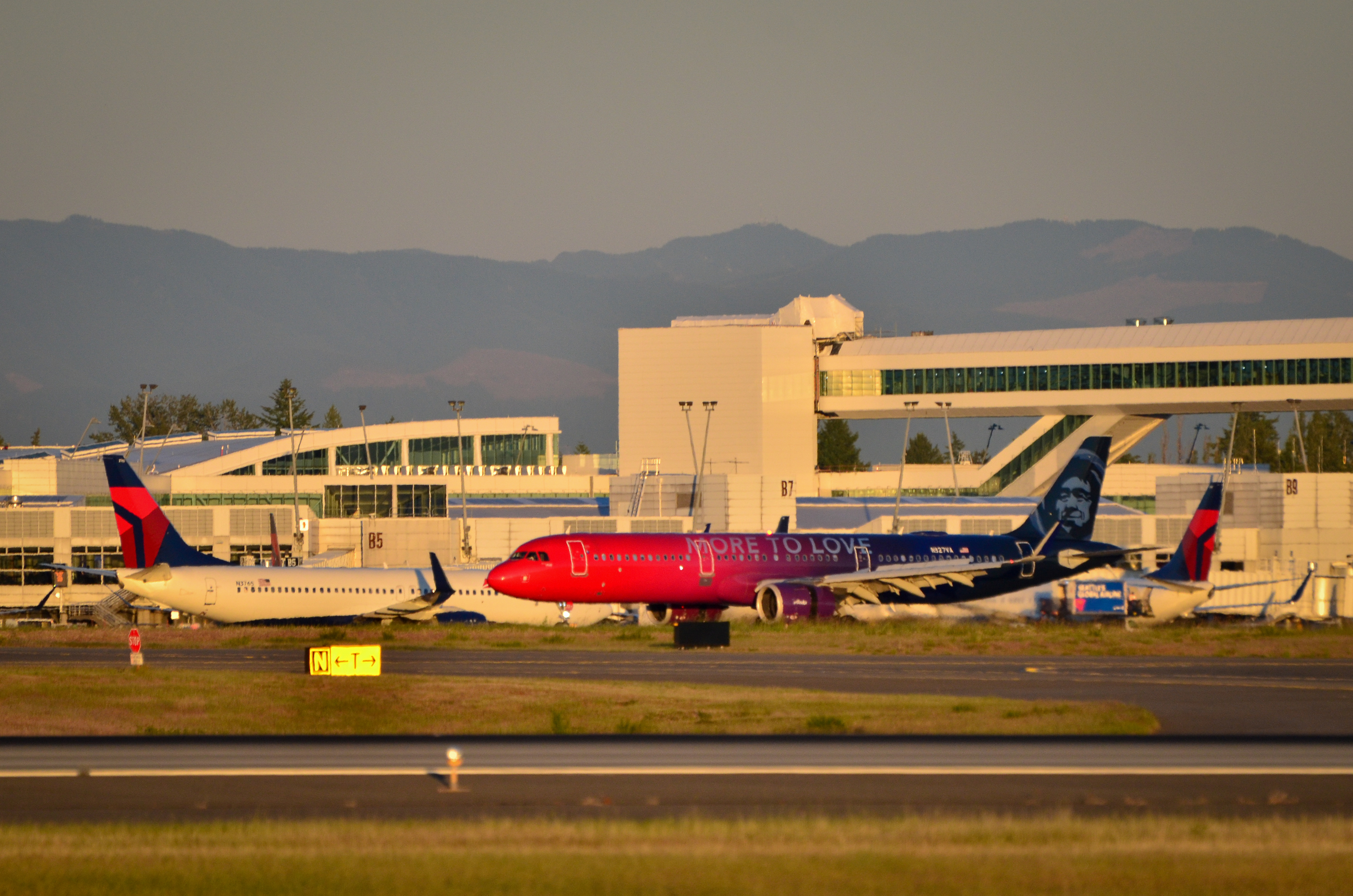
The Air Current's "Three Points" archive captures a pivotal multi-year window in commercial and business aviation during which fleet strategy, regulatory leadership, and the emerging advanced air mobility sector underwent simultaneous and interconnected disruptions. On the fleet side, Alaska Air's formal departure from its all-Boeing identity — accepting Airbus aircraft into its lineup — marked a strategically significant hedge against the regulatory uncertainty hanging over the 737 Max 10, which the FAA placed under a substantial certification question mark. Simultaneously, Delta received an entirely new aircraft type and Air Canada positioned itself for early-delivery A321XLRs, reflecting a broader industry recalibration away from Boeing dependence and toward Airbus's long-range narrowbody platform. For operators in the Part 135 and charter space who depend on Boeing narrowbody lift capacity, the Max 10's uncertain timeline carries direct scheduling and fleet-planning implications, particularly for those evaluating future aircraft investments or wet-lease arrangements.
The China Eastern Flight MU5735 accident — a 737-800 that entered an extreme dive — prompted The Air Current to place the event in historical context by comparing descent rates across key accident cases. This analytical framing is significant for professional flight crews because it illustrates how rapidly a structural or flight control anomaly can exceed any practical crew intervention window at cruise altitude. The UAE's preliminary report on Emirates Flight 231, which involved a botched departure out of Dubai on December 20, confirmed details The Air Current had previously reported independently — underscoring the value of pre-official reporting in the professional aviation community. Both events reinforce the continuing relevance of threat and error management disciplines, particularly in understanding how nominal flight profiles can degrade at a rate that outpaces standardized crew response protocols.
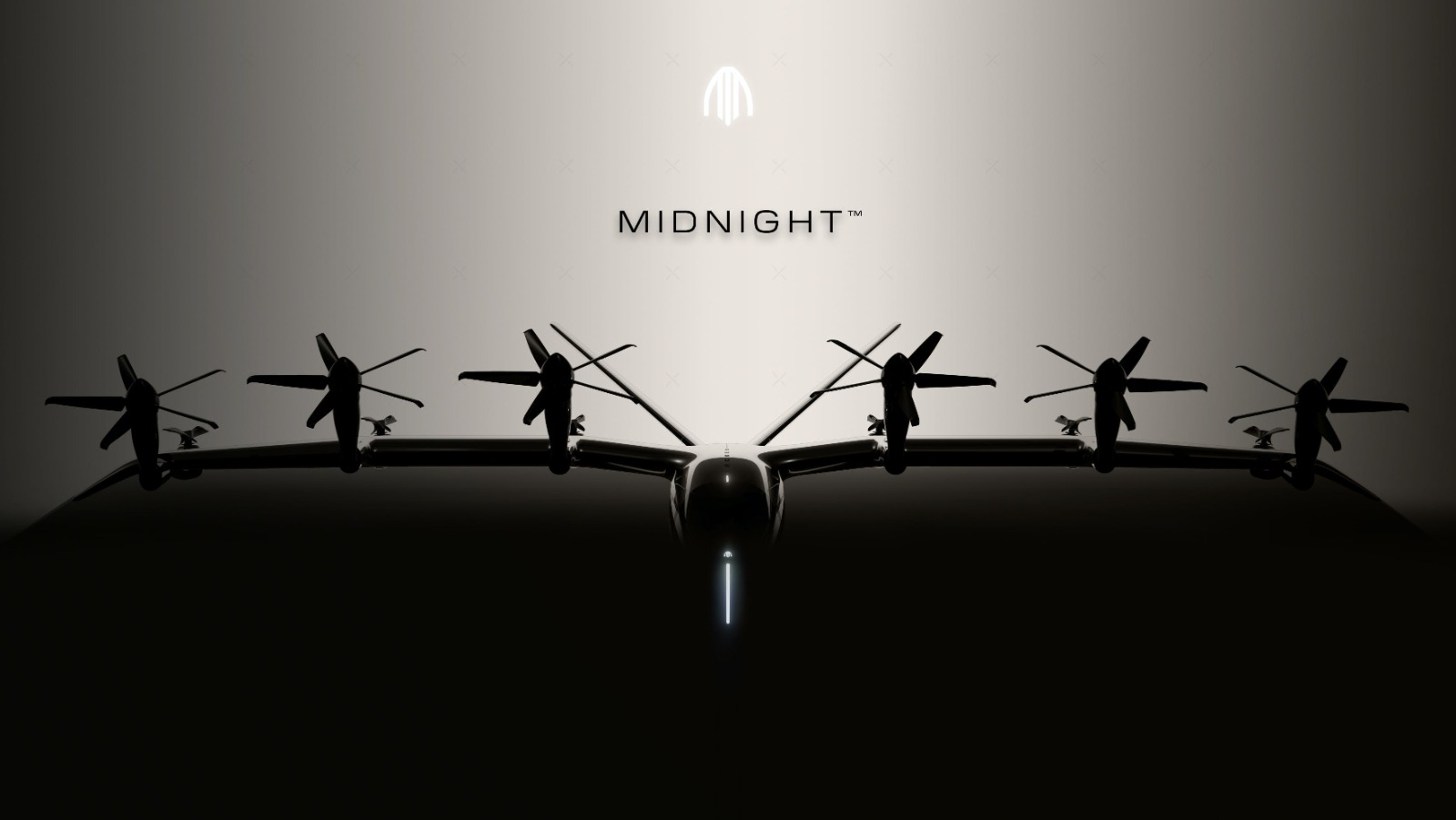
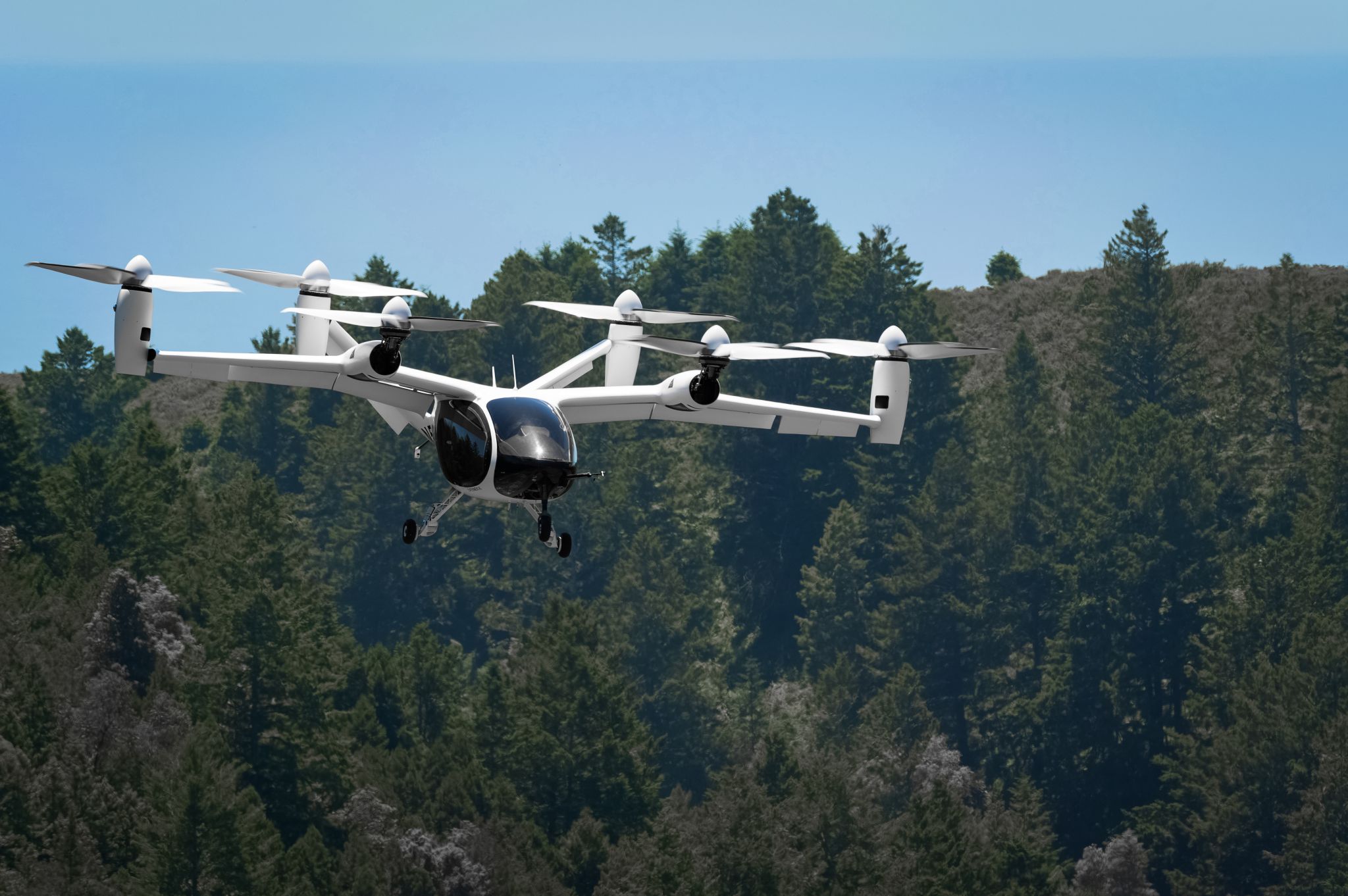
The eVTOL sector dominated multiple editions, reflecting the degree to which advanced air mobility had moved from speculative to operationally adjacent within the planning horizons of established aviation operators. NetJets and FlightSafety International — both wholly owned by Warren Buffett's Berkshire Hathaway — announced a strategic partnership with German developer Lilium, a move that injects credible capital and infrastructure expertise into the certification and pilot training pipeline for electric vertical aircraft. The concurrent announcement of an FAA-UK CAA bilateral framework for eVTOL certification validation is a structurally important development, signaling that post-Brexit Britain is pursuing independent aviation regulatory relationships rather than defaulting to EASA alignment — a distinction with direct implications for operators seeking type validation across Atlantic routes. Corporate flight departments and charter operators evaluating future fleet diversification into UAM corridors will need to track these bilateral frameworks closely, as they will determine the practical geographic scope of any eVTOL operating certificates.
The crash of Joby Aviation's lead test aircraft introduced material risk into the company's aggressive 2024 passenger-carrying timeline and triggered an NTSB investigation that carries implications well beyond Joby itself. Because the FAA has been coordinating closely with multiple eVTOL developers on the architecture of Part 23 and new certification standards, a high-profile test accident creates political and regulatory pressure to slow the overall certification runway — affecting Archer, Wisk, Lilium, and others regardless of their individual safety records. The concurrent resignation of FAA Administrator Steve Dickson, roughly midway through his term, removed a known regulatory voice at precisely the moment the agency faced its most complex simultaneous dockets in decades: 737 Max recertification fallout, Max 10 certification pressure, and the emerging eVTOL standards framework. His departure left a leadership vacuum during a period when consistency of regulatory posture was particularly critical to Boeing's recovery and to the credibility of advanced air mobility certification timelines.
Whisper Aero's development of ultra-quiet electric propulsors — discussed in the context of a new drone testbed — represents an early-stage but technically substantive development for operators in noise-sensitive environments, including urban vertiport operations, offshore and remote area logistics, and potentially next-generation UAV-based inspection platforms used in Part 135 utility operations. Founder Mark Moore's background at NASA gives the program technical credibility that distinguishes it from the broader crowded field of electric aviation startups. Taken together, the "Three Points" archive from this era reveals an industry simultaneously managing the legacy consequences of the 737 Max crisis, the acute safety demands of new accident investigations, and the regulatory and commercial architecture-building required to bring a fundamentally new category of aircraft into the certificated fleet — pressures that will define the operating environment for professional pilots and aviation operators through the latter half of the decade.