Alaska Airlines Archives - Leeham News and Analysis
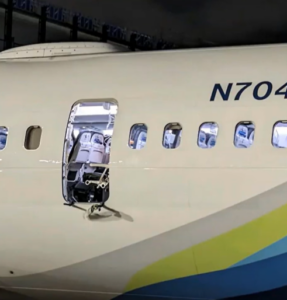
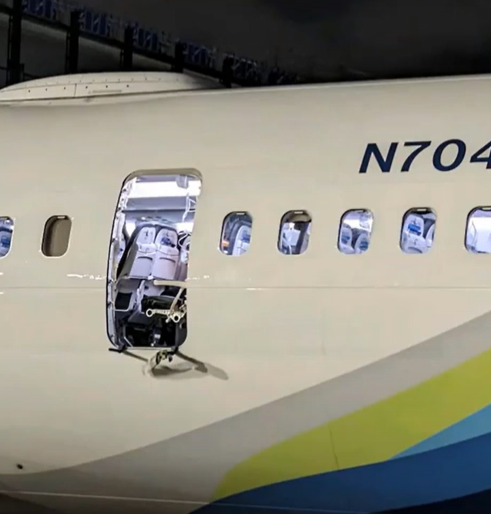
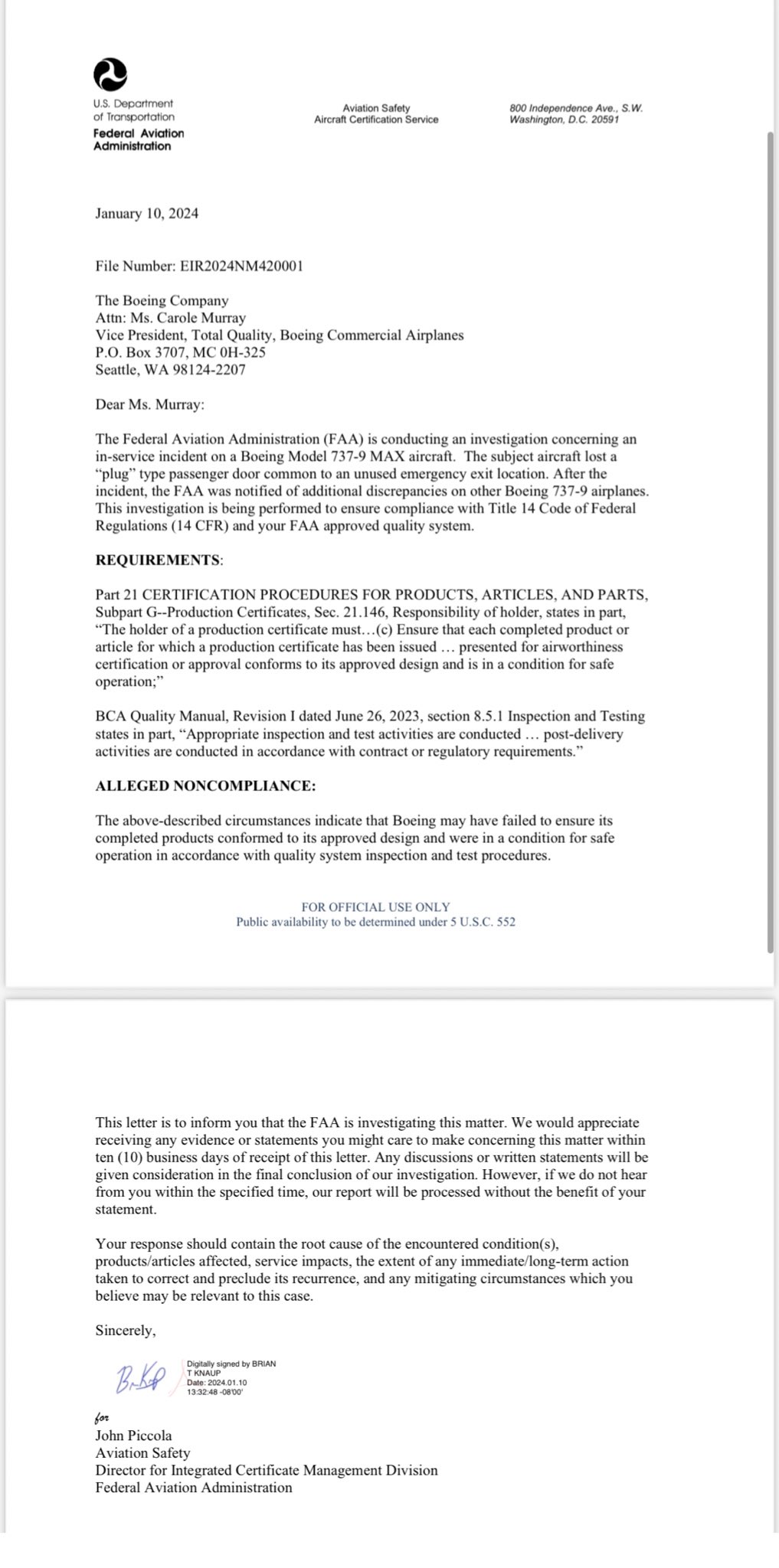
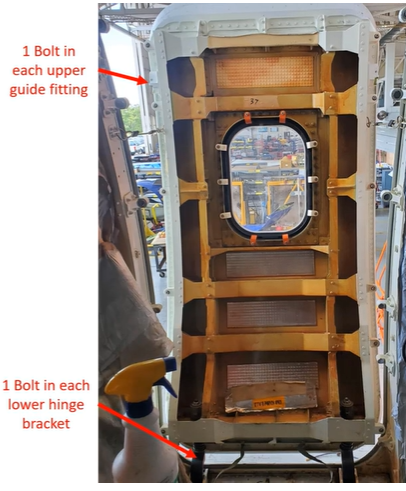
Boeing's activation of its North Line in Everett marks the first time in more than five decades that 737 fuselages have been assembled outside the Renton plant, a milestone the company is positioning as central to its financial and reputational recovery. Two 737 Max 10 fuselages, shipped by rail from Spirit AeroSystems' Wichita facility, are now moving through a $1 billion repurposed section of the Everett site previously dedicated to 787 production. The move reflects Boeing's need for physical capacity as it works toward FAA-approved production rates of 47 per month across four lines, with an eventual target of 52 — a figure that would match the company's pre-crash 2018 output for the first time since the Max groundings. For an OEM whose credibility with airlines, regulators, and the flying public has been under sustained pressure since 2019, and again since the January 2024 Alaska Airlines door-plug incident, standing up new physical capacity under FAA oversight is a tangible signal that the production system is stabilizing rather than merely promising to.
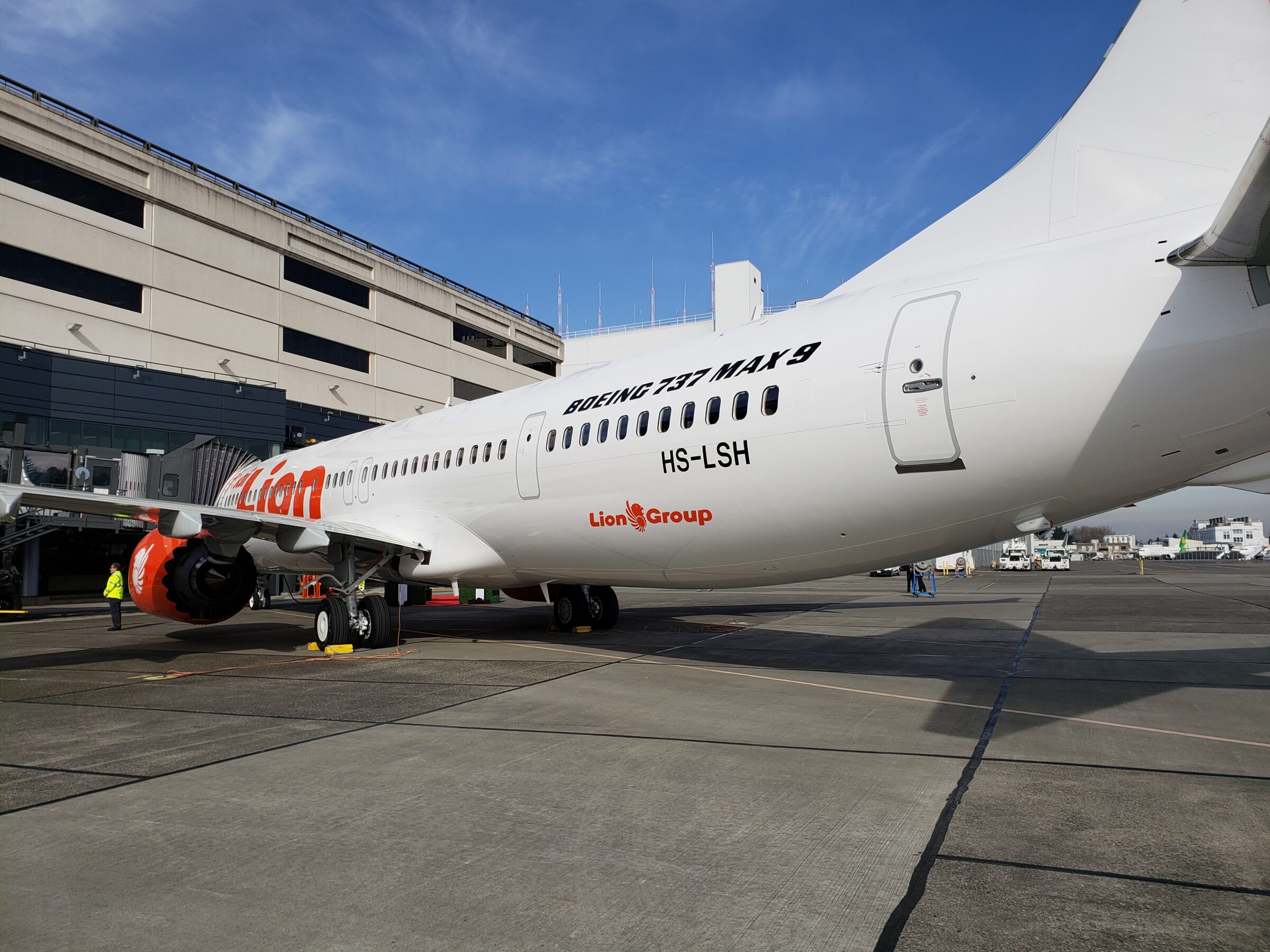
For working pilots and flight departments, the significance of this development is less about the assembly line itself and more about what it implies for fleet planning, delivery timelines, and the pace at which the Max 7 and Max 10 variants finally reach certification. Boeing is sitting on more than 4,800 unfilled 737 Max orders, and airlines from Southwest to United to Ryanair have had fleet renewal plans stretched or reshuffled by years of delayed deliveries. Every increment of production rate increase — 38 to 42 to 47 to eventually 52 — translates directly into how quickly carriers can retire older Classics and NGs, plan crew training pipelines, and firm up capacity growth. Pilots transitioning onto the Max, particularly instructors and check airmen managing MCAS-related differences training, have a direct stake in how disciplined this ramp-up is, since the entire post-2019 regulatory framework around Max certification was built specifically to prevent a repeat of the rushed, self-certified oversight that contributed to the Lion Air and Ethiopian Airlines crashes.
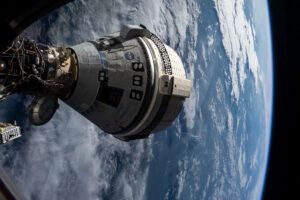
The broader context matters as much as the production milestone itself. Leeham's companion reporting on the NASA Starliner investigation underscores that Boeing's cultural and quality-control problems were never confined to the 737 program alone; the same systemic issues — inadequate internal safety escalation, blurred lines between engineering judgment and schedule pressure, and historically loose FAA oversight through the ODA system — appear to have surfaced in Boeing's space and defense business as well. That's a relevant data point for aviation professionals evaluating whether Boeing's commercial-side reforms under CEO Kelly Ortberg represent a genuine cultural reset or a program-specific patch. The FAA's continued rate-cap discipline, requiring demonstrated production stability before authorizing further increases, is itself a direct legacy of the Max crashes and the 2024 door-plug event, and it remains the primary external check on Boeing's pace regardless of internal messaging about "historic" milestones.
For the industry at large, Boeing's ability to reliably scale narrowbody output is a supply-chain and competitive issue that extends well beyond Boeing's own balance sheet. Airbus's A320neo family has captured significant market share partly because Boeing could not deliver at promised rates, and any credible acceleration toward rate 52 has implications for lessors, MRO providers, pilot hiring and training pipelines, and route planning across both mainline and regional carriers waiting on aircraft. At the same time, the persistent drumbeat of safety and quality scrutiny — from MCAS to the door plug to Starliner — means that operators and regulators alike will be watching whether Boeing's production expansion is matched by rigorous quality assurance, not just schedule recovery. For pilots, the takeaway is that Max deliveries may finally begin arriving with more predictability, but the underlying question of whether Boeing's safety culture has fundamentally changed remains very much unresolved.







 Read original article