Boeing 737 MAX Archives - Leeham News and Analysis
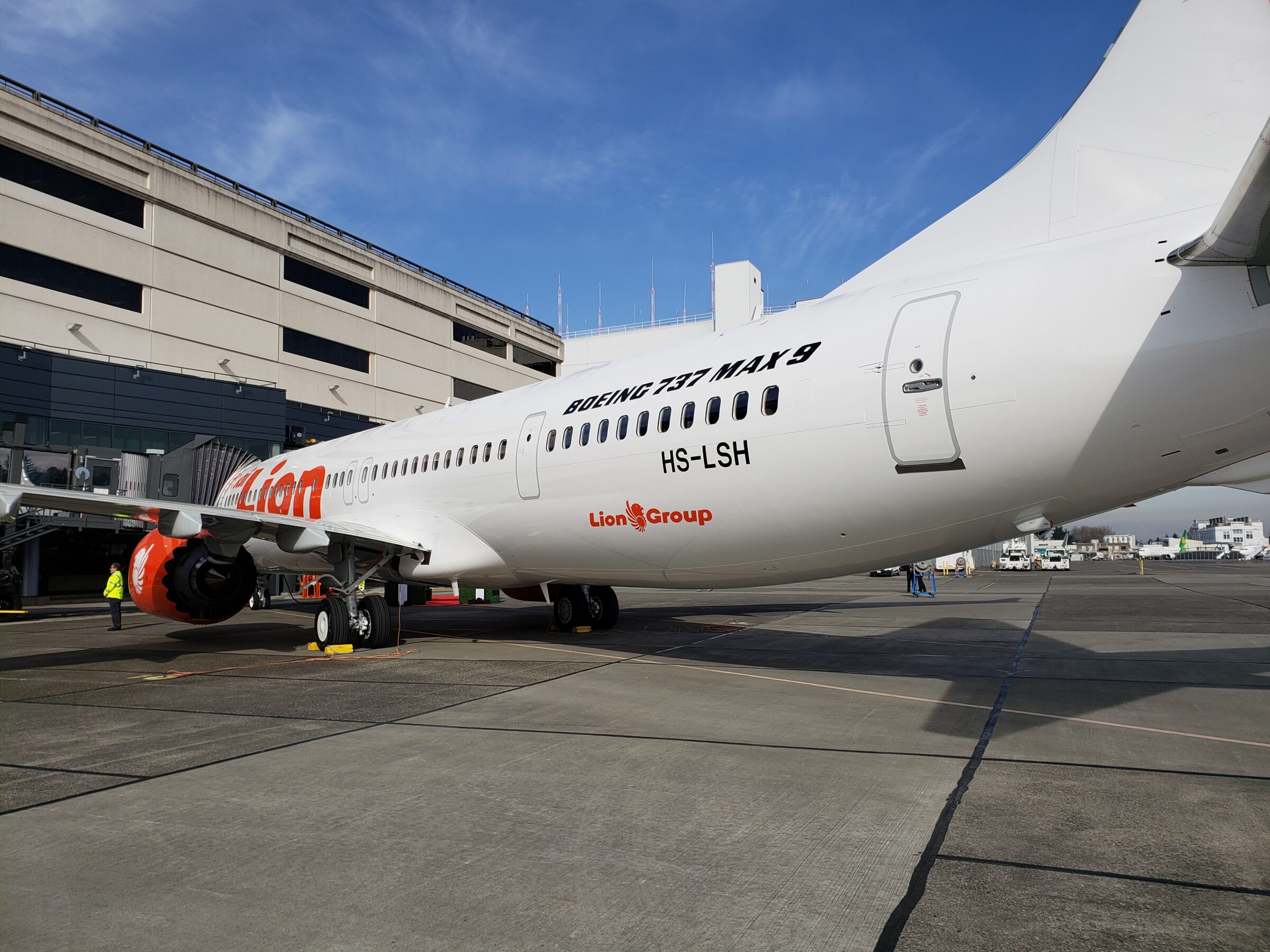
Boeing's opening of the North Line in Everett represents the most tangible evidence yet of the company's manufacturing recovery strategy taking physical form. For the first time since 737 production was consolidated in Renton in 1970, single-aisle fuselages are moving through a fourth assembly line—one carved out of space previously dedicated to the larger, twin-aisle 787. The two initial 737 Max 10 fuselages, shipped via rail from Spirit AeroSystems in Wichita, are moving through low-rate initial production as Boeing works toward integrating Everett capacity with its three existing Renton lines. The $1 billion investment and the retraining of Renton mechanics to staff the new facility signal that Boeing views this expansion as more than incremental capacity—it's a structural bet on sustained demand recovery and a hedge against future single-source production risk in Renton.
The production-rate trajectory matters enormously to airline planners and fleet strategists. Boeing has FAA approval to move from a recently achieved rate of 42 737s per month to 47, with an eventual target of 52—a figure that would equal the pre-Max-crisis peak production rate last seen before the 2018-2019 grounding. For carriers sitting on the more than 4,800 unfilled 737 Max orders, this ramp-up directly affects delivery timelines, fleet renewal planning, and capacity growth projections for the back half of this decade. Airlines that have waited years for Max 10 and Max 7 deliveries—variants still awaiting final FAA certification—will be watching whether Boeing can execute this rate increase without the quality escapes that have plagued the program, most notably the January 2024 Alaska Airlines door-plug blowout that triggered Kelly Ortberg's installation as CEO and a fresh round of manufacturing-process scrutiny.
For working pilots, particularly those flying or transitioning to 737 Max variants, the North Line's ramp-up carries both reassurance and reasons for continued vigilance. A second geographically separate production site theoretically allows Boeing to isolate and contain quality issues more effectively than when everything flowed through a single Renton bottleneck, and it reduces single-point-of-failure risk that became painfully apparent during recent supply chain and quality disruptions. However, any new production line introduces workforce learning curves, new tooling relationships, and integration risk with Spirit AeroSystems fuselage deliveries—variables that flight crews, training departments, and safety officers will want to track as North Line output scales up. Pilots flying the Max 10 in particular have a direct stake in whether the type finally clears certification, since that milestone remains a prerequisite for the aircraft entering revenue service in meaningful numbers.
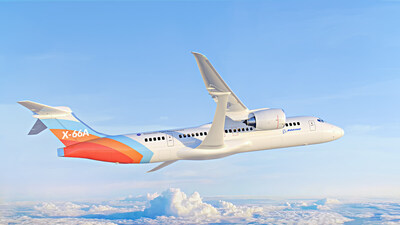
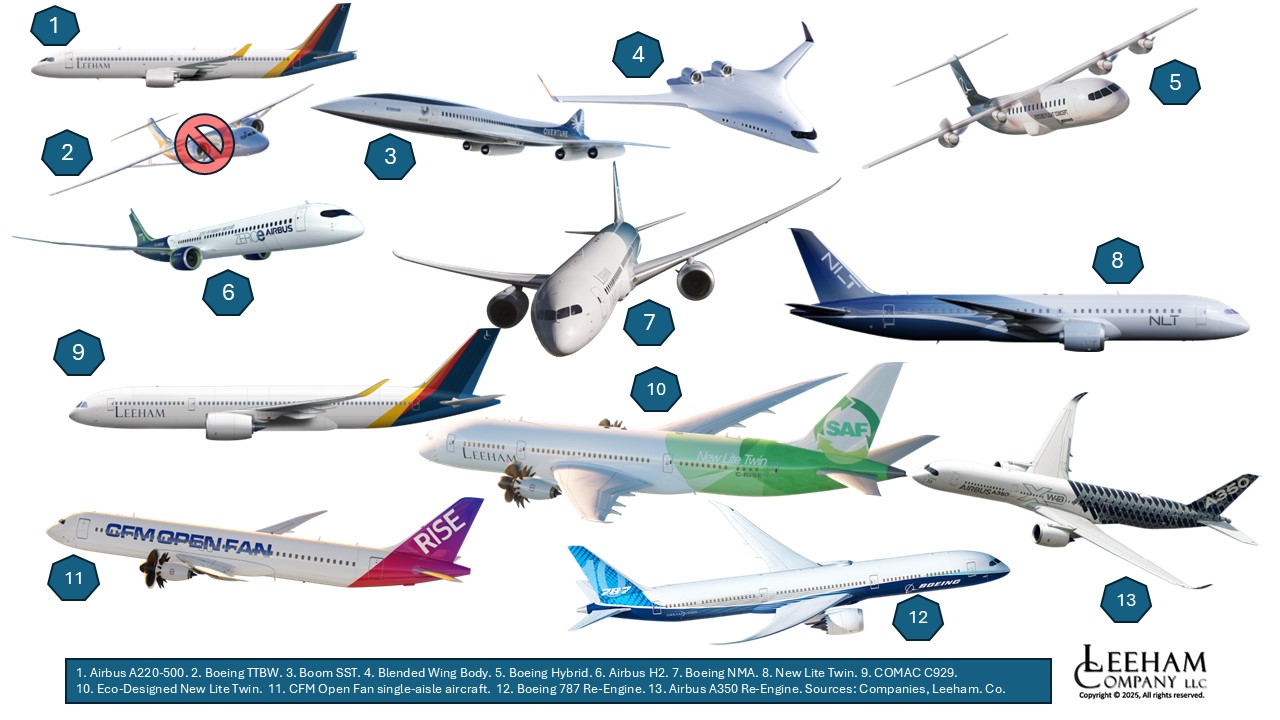
More broadly, the North Line opening fits into Boeing's larger post-crisis narrative arc, one intertwined with the still-unresolved question of what Boeing's next all-new airplane program will look like. Ortberg's decision to shelve the X-66A Transonic Truss-Braced Wing demonstrator—while continuing NASA-partnered research—suggests Boeing is prioritizing near-term execution and cash generation over speculative next-generation programs, mirroring Calhoun's earlier decision to kill the New Midmarket Airplane during the original Max grounding. For an industry watching Boeing's competitive position against Airbus's A320neo family, the North Line is less about technological leap and more about proving Boeing can reliably build and deliver the airplanes already on order. That operational credibility, more than any future clean-sheet design, is what airlines, lessors, and pilots need restored before Boeing's broader turnaround can be considered complete.










 Read original article