Qantas Just Set A 2032 Date To Retire Its Airbus A380s & The Clock Is Now Ticking For First Class Flyers
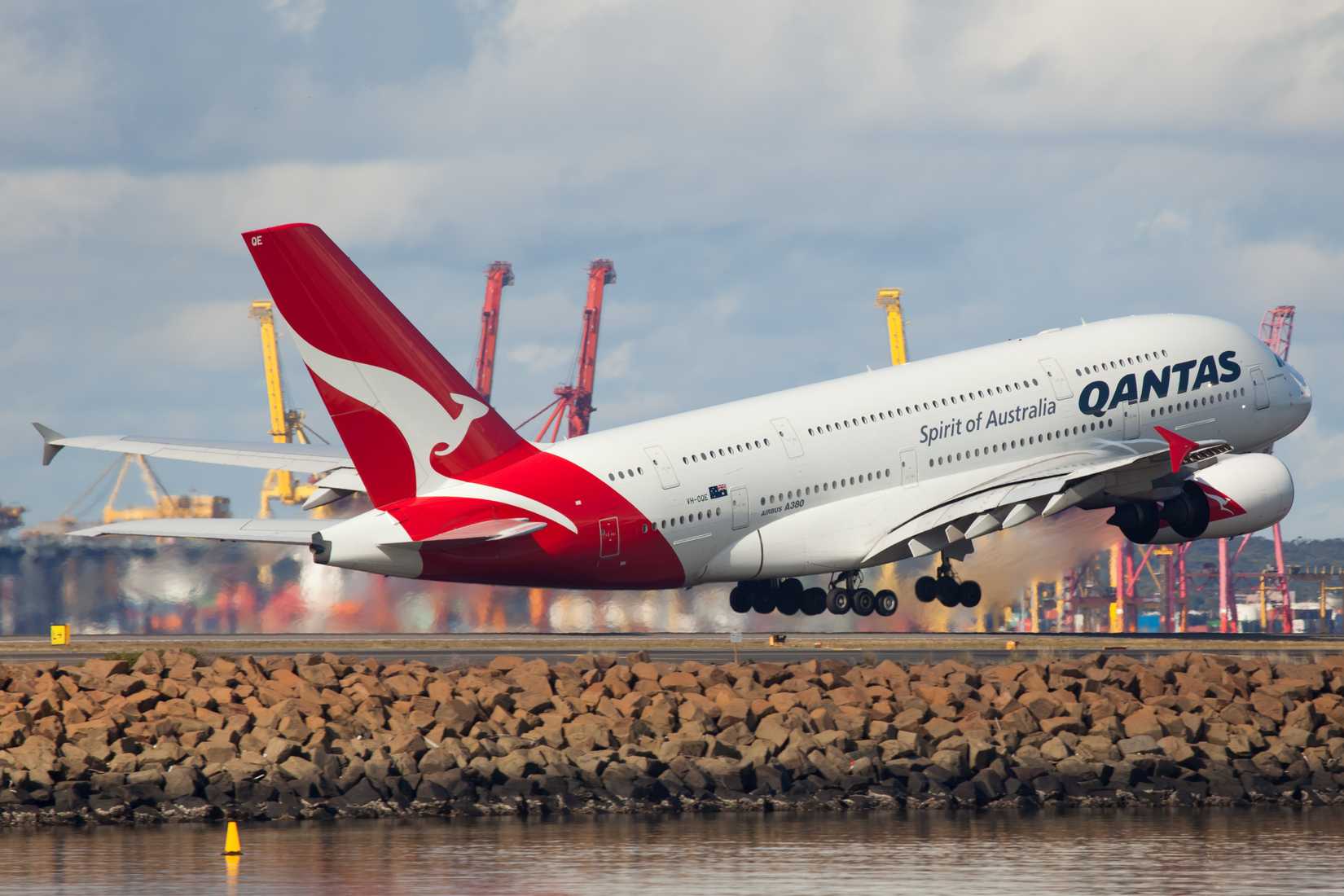
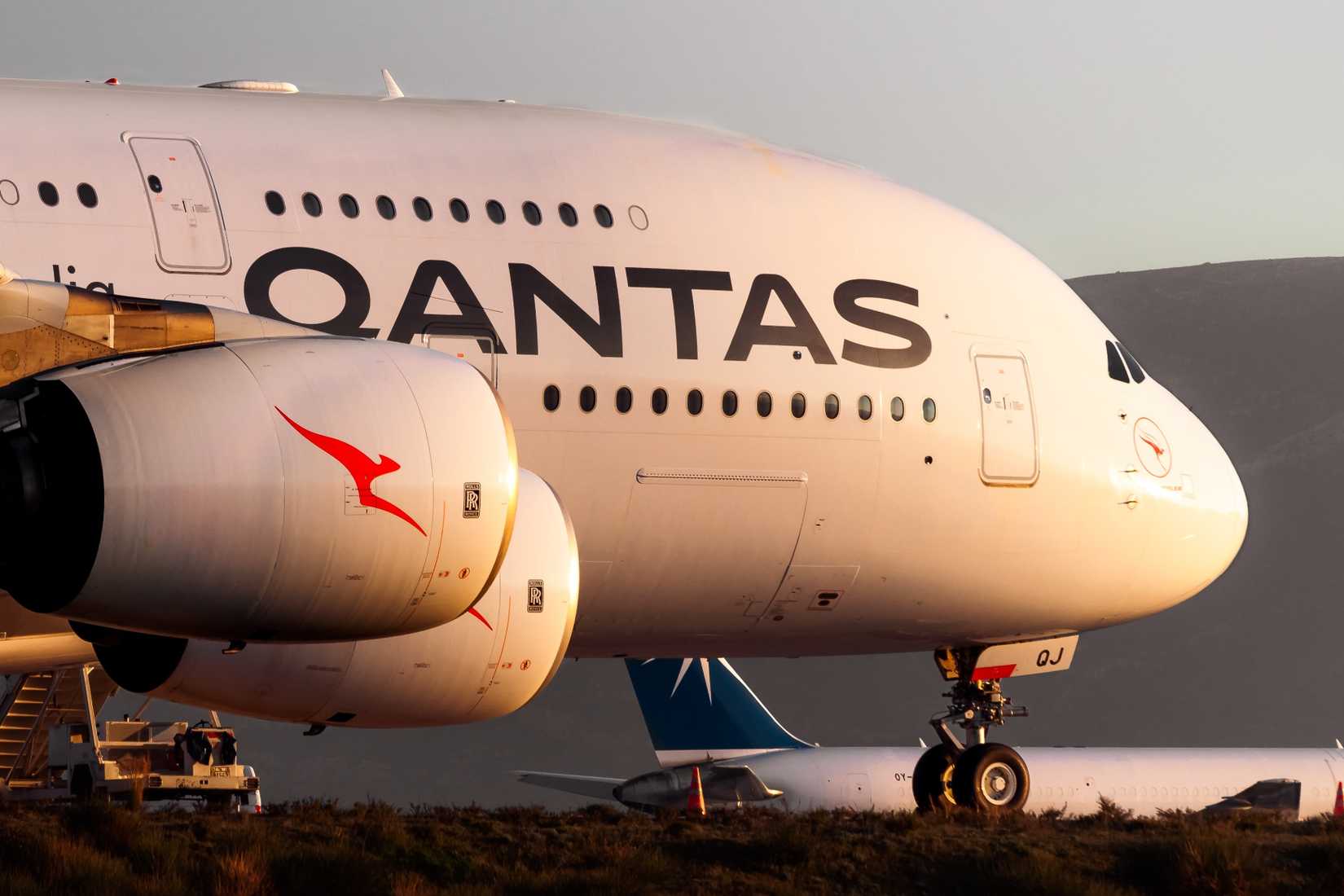
Qantas has finally attached a firm date to what had long been an open question in Australian aviation: the retirement of its Airbus A380 fleet. The carrier confirmed that FY2032 will mark the start of the phase-out for its remaining 10 superjumbos, ending years of ambiguity that followed a heavy post-pandemic refurbishment program many read as a signal the aircraft would fly well into the next decade. Rather than an abrupt withdrawal—the fate the type suffered at several carriers during COVID-19—Qantas is signaling a managed, multi-year transition, with the Airbus A350 assuming the flagship role on ultra-long-haul and premium routes. For pilots and operations planners, this is a useful data point: it confirms A380 type-rating relevance has a defined horizon, and it gives training, crewing, and maintenance organizations a concrete planning window rather than an open-ended one.
The retirement announcement is really a single visible marker inside a much larger fleet renewal effort. Qantas Group has over 200 aircraft on firm order, spanning regional turboprops, narrowbodies, and widebodies, and CFO Rob Marcolina has indicated the airline expects to take delivery of roughly one new aircraft every three weeks over the next two years. That cadence is significant from an operational standpoint—it requires simultaneous scaling across pilot training pipelines, type-rating transitions, simulator capacity, maintenance provisioning, and airport/gate infrastructure. Fleet renewal at this pace is not simply a procurement story; it's a workforce and operational-readiness story. Airlines undergoing this kind of rapid, multi-type delivery schedule typically see elevated demand for transition training, increased simulator utilization, and pressure on check airman and instructor availability, trends that mirror what's playing out at other majors pursuing aggressive widebody and narrowbody renewal simultaneously.
The A330 replacement program, arriving even sooner than the A380 phase-out, is arguably the more immediate operational shift for Qantas flight crews. Starting in 2027, 24 new widebodies—12 A350-1000s, four additional 787-9s, and eight 787-10s—will begin displacing the A330 fleet. This means Qantas pilots will be navigating overlapping fleet transitions for most of the next decade: A330 crews moving toward 787/A350 variants, A380 crews eventually needing new type assignments as their aircraft sunsets, and Project Sunrise A350-1000s introducing ultra-long-haul route structures with their own crew scheduling and fatigue-management implications. For check airmen, training departments, and scheduling groups, this compressed, overlapping transition timeline is more operationally complex than a typical single-type replacement cycle.
Beyond Qantas specifically, the announcement reinforces a broader industry pattern: the four-engine widebody era is closing out on a fixed timeline almost everywhere it still exists. Twin-engine efficiency—led by the 787 and A350—has permanently altered long-haul economics, and carriers that once viewed the A380 as an irreplaceable capacity solution are now treating its remaining service life as a finite, monetizable asset rather than a long-term fleet anchor. The first class product tied to the A380 is itself becoming a scarce commodity, since most of Qantas's incoming aircraft, including the A350s and 787s, do not carry a first class cabin. For premium-focused carriers and the pilots who fly widebody long-haul, this signals a continued industry-wide contraction of first class as a product category, even as business-class hard products get richer. Operationally, it also underscores why fleet commonality and simplification—fewer legacy types, more standardized twin-engine widebody fleets—remains the dominant strategic direction across major international carriers heading into the 2030s.










 Read original article