Why The Airbus A350 Can Fly Late-Night Slots At London Heathrow That Ground Competing Widebodies
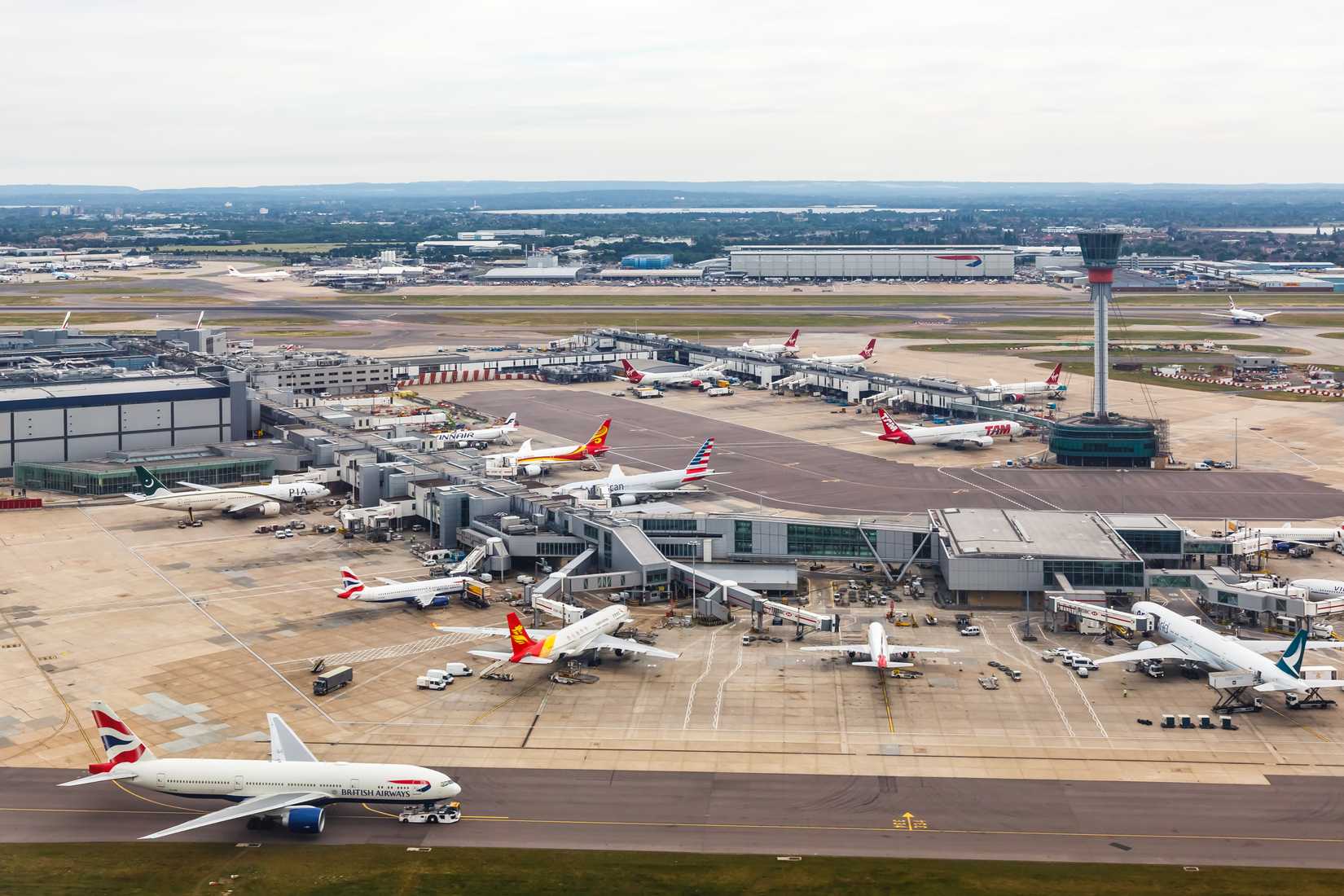
Heathrow's operating model illustrates why aircraft acquisition decisions increasingly hinge on noise performance as much as range, capacity, or fuel burn. Capped at 480,000 annual movements and bound by a Quota Count system that governs the 23:30–06:00 night period, Heathrow effectively rations noise the way other airports ration slots. Aircraft rated QC/4 are barred from the night quota period entirely, while QC/8 and QC/16 types cannot operate at night at all. In that environment, the Airbus A350 — certified at roughly 88.8 EPNdB on takeoff and marketed by Airbus as up to nine decibels quieter than competing widebodies — gives operators meaningfully more schedule flexibility. Because sound levels are logarithmic, that nine-decibel reduction represents nearly a 90% cut in perceived acoustic energy, a difference significant enough to determine whether a red-eye arrival or a late-evening departure is even legally permissible.
For working pilots and flight planners, this dynamic translates directly into operational reality. Fleet assignment for Heathrow rotations, London City-adjacent scheduling, and other noise-sensitive European airports (Frankfurt, Zurich, and increasingly Schiphol) is no longer purely a network-planning exercise; it's shaped by which airframes can legally fly the slot at all. Pilots bidding widebody international routes may find A350 pairings carry more late-night and early-morning Heathrow slot availability than competing 777 or 787 rotations, influencing everything from crew scheduling patterns to duty-time considerations tied to circadian-unfriendly departure banks. Dispatchers and schedulers must factor QC ratings into aircraft swaps during irregular operations, since substituting a louder backup aircraft into a night-quota slot can trigger a compliance violation, not just a customer-service issue.
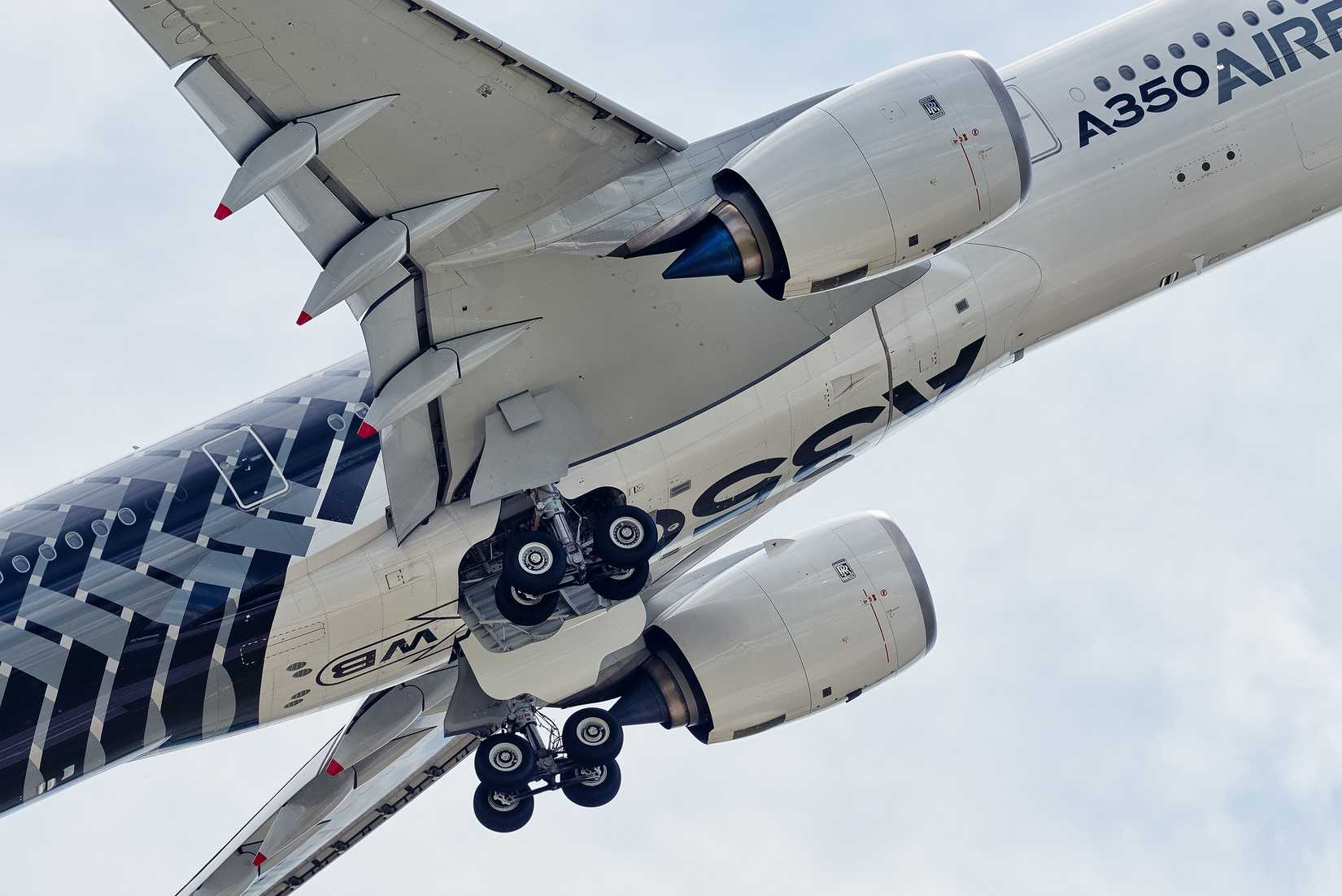
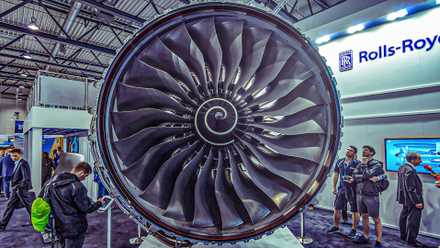
The underlying technology also reinforces a broader industry shift toward acoustic performance as a design imperative, not an afterthought. Rolls-Royce's Trent XWB, exclusive to the A350 family, was engineered with acoustic liners, an optimized fan, and high-bypass architecture specifically to suppress fan interaction tones and jet mixing noise alongside its raw thrust output — the -97 variant produces nearly 97,000 pounds of thrust while remaining in a quieter certification band than legacy widebody engines. Airbus's composite airframe, more than 70% advanced materials by weight with 53% CFRP, compounds this further: a flexible, aerodynamically refined wing and smoother wing-body fairings reduce airframe noise on approach, which increasingly rivals engine noise as an airport-boundary concern for landing aircraft with idle thrust.
This trend has commercial implications well beyond Heathrow. As more global hub airports adopt or tighten quota-count-style regimes and ICAO Chapter 14 becomes the baseline expectation rather than an aspirational target, airlines flying older Chapter 4-era widebodies (older 777-200/300ERs, A340s still in cargo or charter service, aging 747 freighters) will face shrinking access to premium night slots at noise-constrained airports, accelerating retirement timelines. For business aviation, the same logic applies at noise-restricted airports like London City, Teterboro, and Van Nuys, where quieter next-generation business jets increasingly gain scheduling advantages similar to what the A350 enjoys at Heathrow. Airlines and operators evaluating widebody fleet renewal, and pilots watching where their type ratings will remain competitively deployable, should expect noise certification to keep climbing the list of factors that determine which routes, slots, and schedules an aircraft — and its crew — can actually fly.










 Read original article