10 Of The Most Comfortable Economy Class Seats You Can Book Today
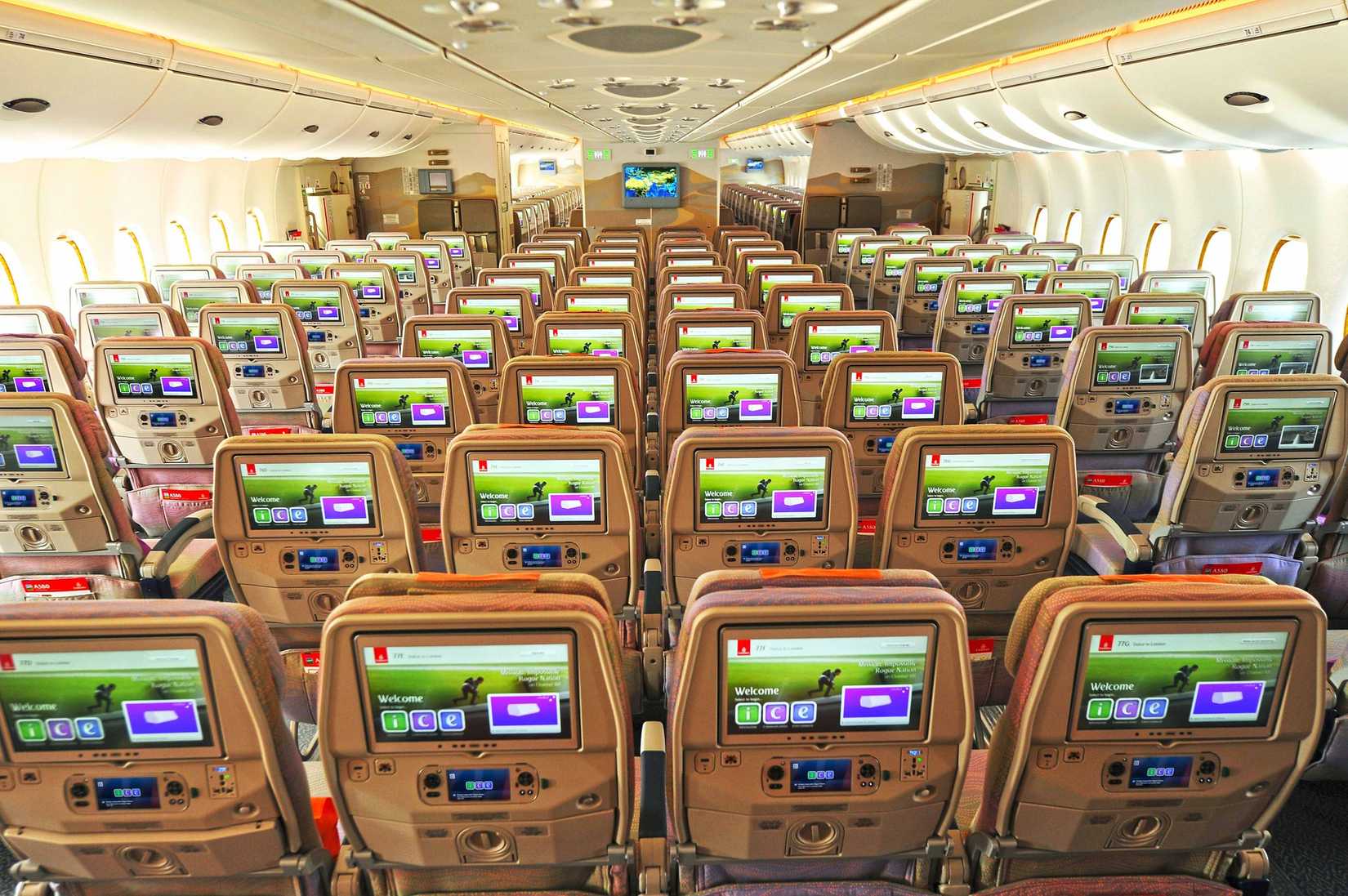
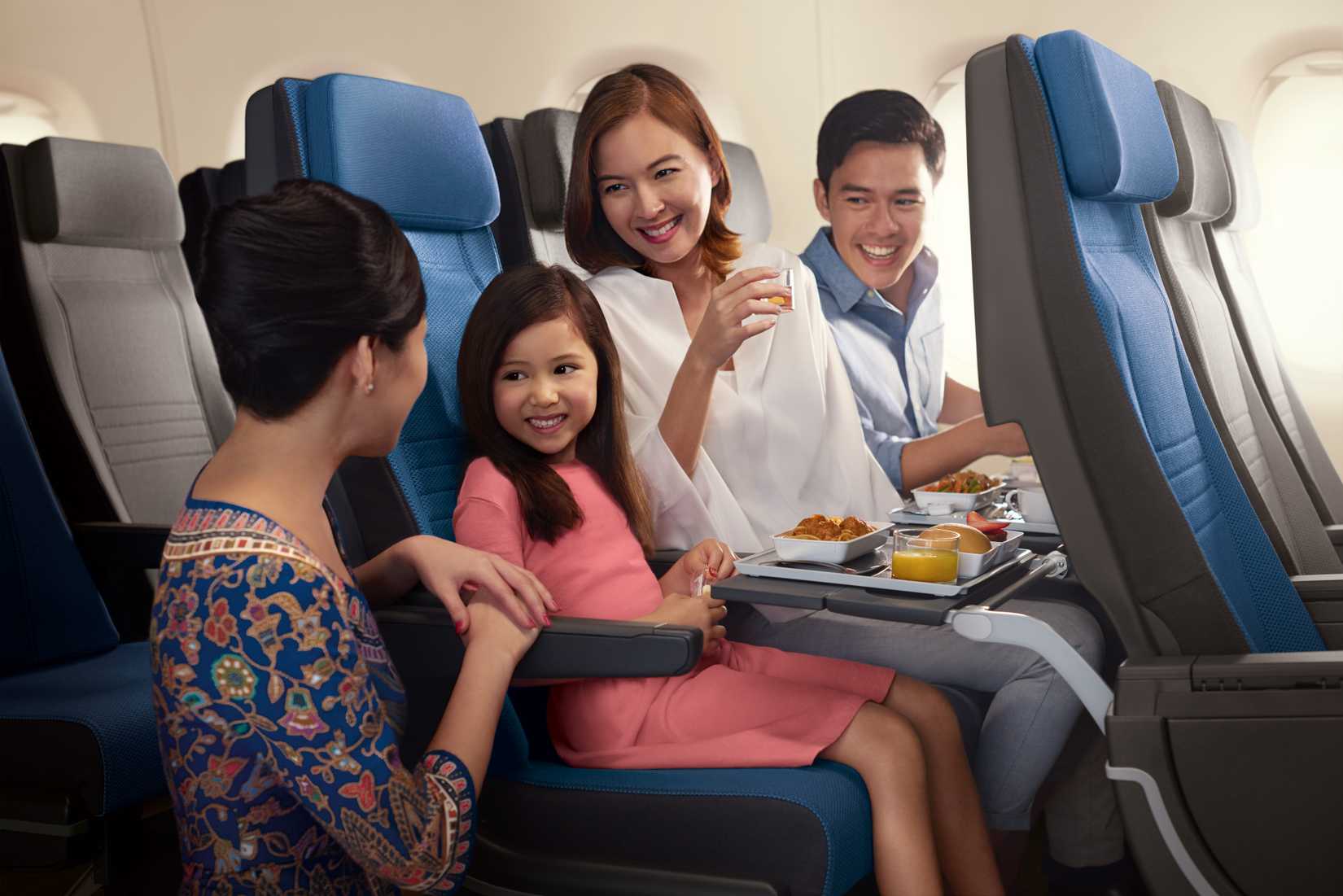
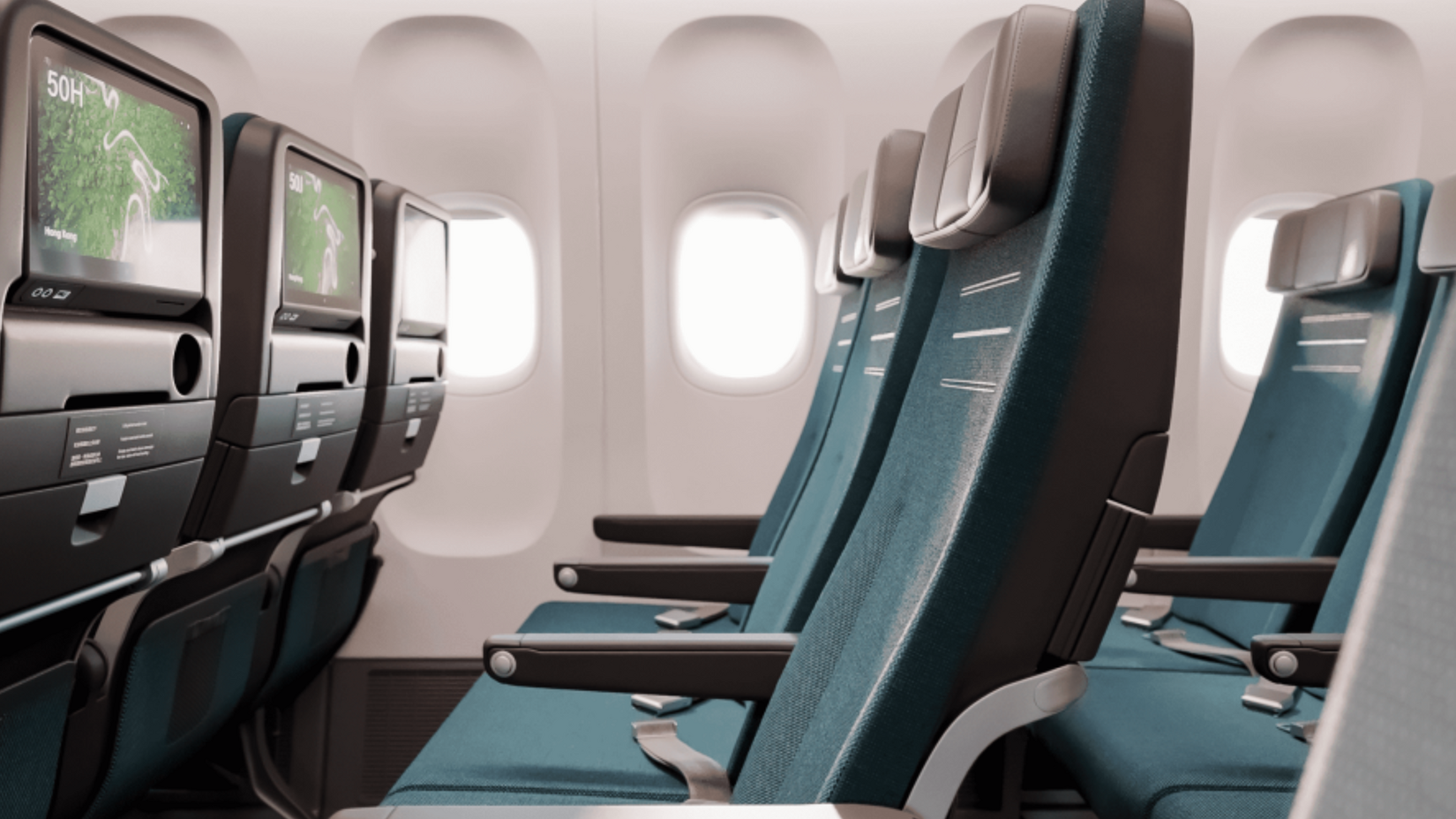
The Skytrax 2025 World Airline Awards-derived ranking of top economy cabins—led by Turkish Airlines, Hainan Airlines, STARLUX, Emirates, and EVA Air—reinforces a data point that flight crews and operations planners should already have on their radar: economy class is no longer a monolithic, race-to-the-bottom product. The differentiators cited (USB power at every seat, generous 32-34 inch pitch, bookshelf-style overhead bins that free up cabin volume, shape-memory cushions, and structured six-week crew training programs at carriers like Emirates) reflect a broader industry shift toward treating the back of the cabin as a genuine competitive battleground rather than an afterthought. For pilots, this matters less as a passenger-comfort curiosity and more as a signal of where fleet investment and cabin engineering priorities are heading across the carriers they may fly for or compete against.
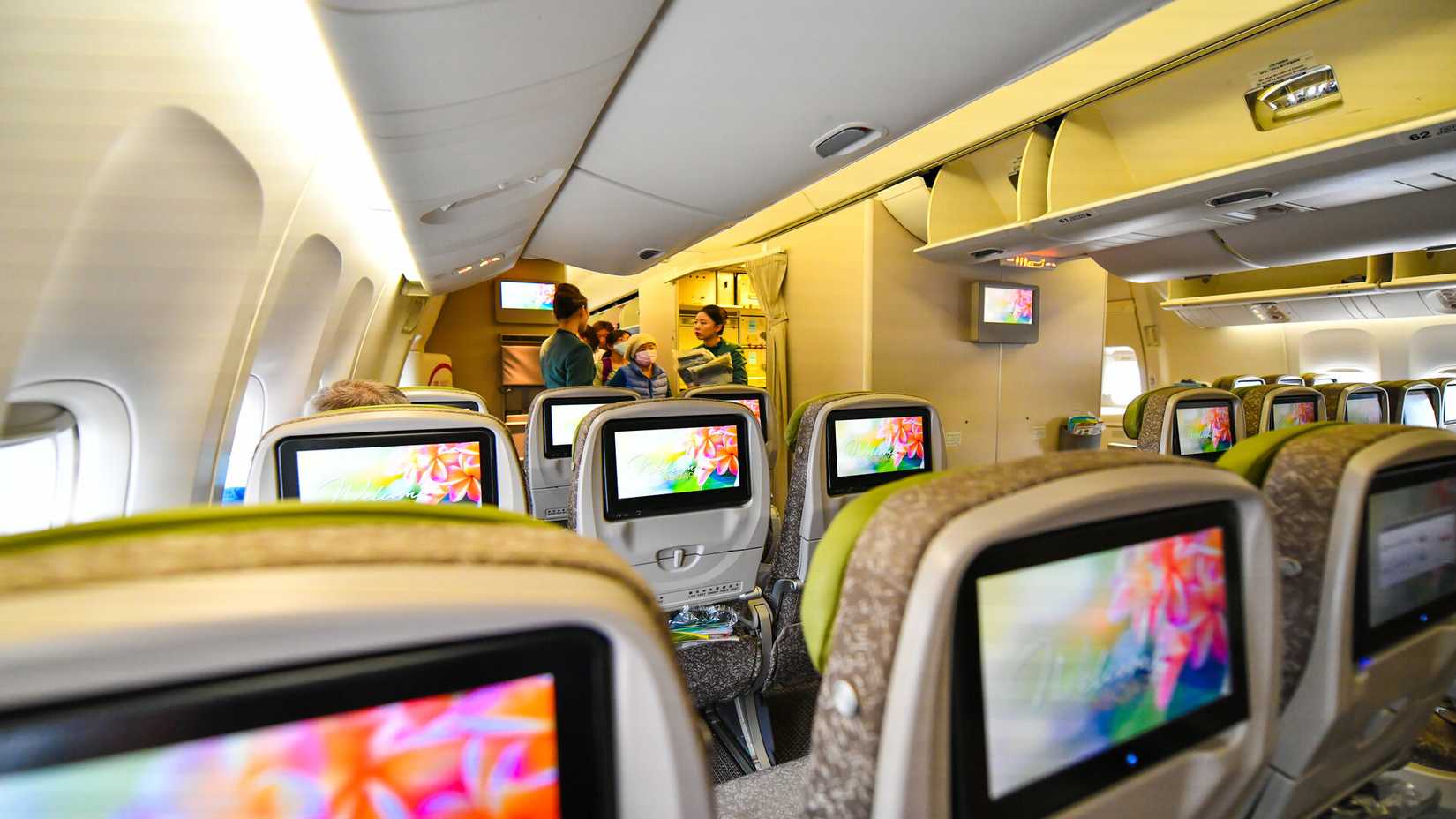
The aircraft-type callout embedded in the article—newer 787s and A350s delivering quieter, more spacious cabins versus older 777s with tighter seating—is directly relevant to line pilots and schedulers. Cabin noise, pressurization comfort, and humidity control on newer widebodies aren't just marketing points; they affect crew fatigue management on ultra-long-haul sectors just as much as passenger experience. As airlines like Turkish, Hainan, and Emirates continue phasing in 787s, A350s, and A330neos while retiring older 777 and A330ceo variants, flight crews will increasingly operate mixed fleets where cabin generation becomes a factor in trip planning, rest facility quality, and even diversion decision-making tied to passenger comfort thresholds on extended-range operations.
There's also a strategic-network dimension worth noting. STARLUX's emergence as Taiwan's first privately-owned international carrier since 1989, built entirely on a modern A350/A321neo fleet with boutique service, illustrates how new entrants are using cabin-generation uniformity (rather than legacy fleet diversity) as a market differentiator against larger, more established competitors. This mirrors trends seen with other recent-vintage carriers and has implications for pilots evaluating career moves toward airlines built on younger, more standardized fleets—these operations typically offer more consistent type-rating requirements, simplified maintenance-driven schedule reliability, and potentially more predictable crew scheduling compared to carriers juggling multiple aircraft generations.
Finally, the emphasis on crew training—Emirates' six-week ground school focusing heavily on anticipating passenger needs—speaks to a broader convergence between service quality metrics and operational culture that extends beyond the cabin crew into the flight deck. Airlines investing heavily in Skytrax-recognized passenger experience tend to correlate that with broader operational polish: better CRM practices, more robust irregular-operations communication protocols, and stronger overall brand discipline that flight crews benefit from in terms of company support during disruptions. As full-service carriers in Asia and the Middle East continue to outpace many Western legacy airlines in these rankings, it underscores a competitive dynamic that U.S. and European carriers—already contending with domestic low-cost pressure—will need to address as long-haul international competition intensifies, particularly on the transpacific and transatlantic routes where premium economy and standard economy product differentiation increasingly influences route profitability and, by extension, fleet and crew-base growth decisions.











 Read original article