Why The Rolls-Royce Trent XWB & GEnx Can Burn 100% SAF But Still Aren't Certified To Do It
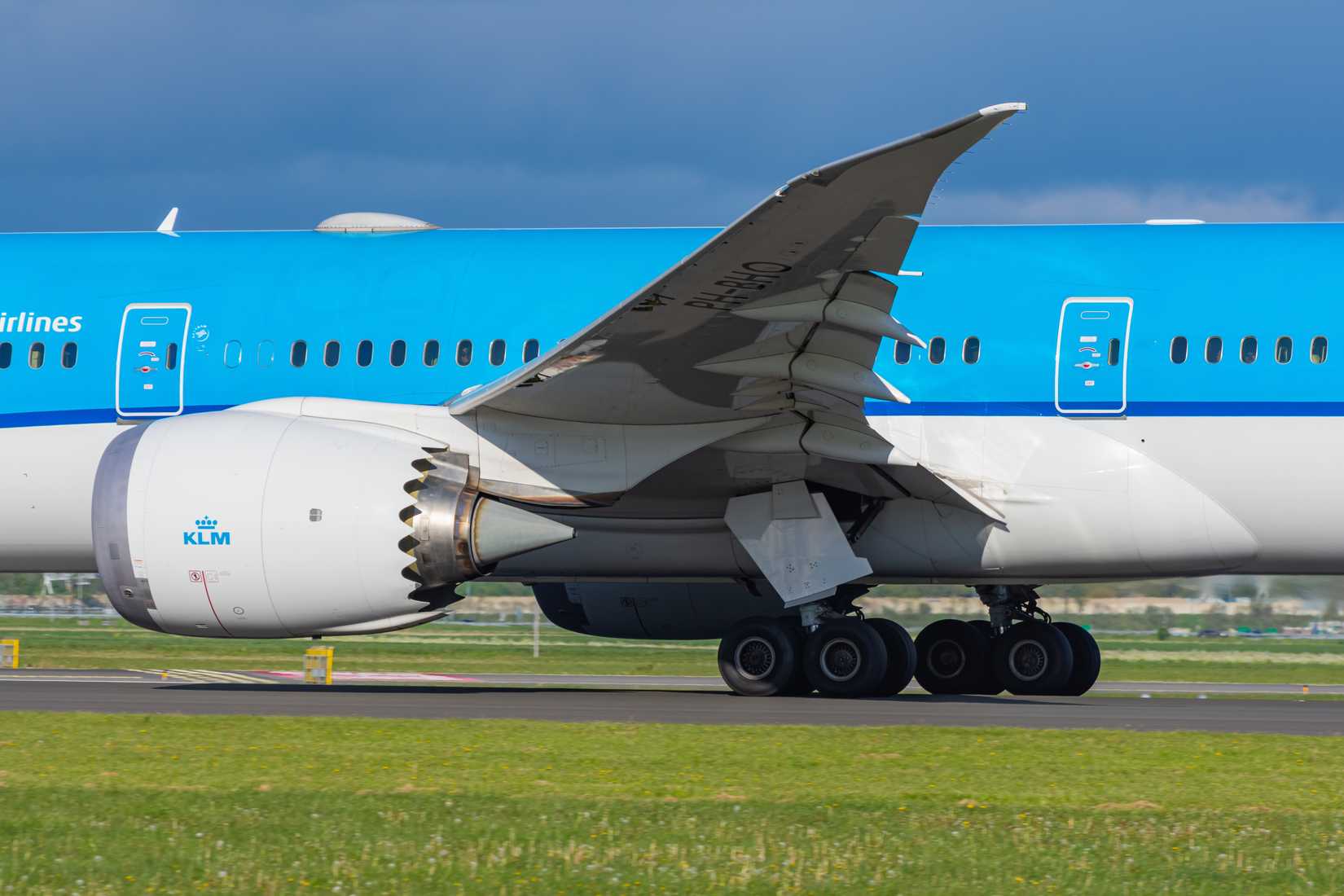
The gap between demonstrated hardware capability and actual certification for 100% sustainable aviation fuel (SAF) use in widebody engines exposes a fundamental disconnect in aviation's decarbonization timeline. Rolls-Royce's 2021 Trent XWB-84 flight test aboard an A350, and GE Aerospace's extensive campaign testing ten engine models including the GEnx-1B on a 787, have both conclusively demonstrated that modern turbofan combustor architecture handles unblended synthetic fuel without flameouts, thrust irregularities, or thermal distress. These are not marginal proof-of-concept trials but rigorous, multi-hour evaluations under real flight conditions, involving two of the three manufacturers that power the overwhelming majority of the world's widebody fleet. Yet despite this, every commercial flight today remains capped at a 50% SAF blend limit under ASTM D7566 specifications, meaning the mechanical readiness proven in these tests has no immediate path to the flight line.
The root cause, as the article details, is not combustion chemistry but fuel system material compatibility—specifically the aromatic hydrocarbon content that conventional Jet A provides and that hydroprocessed SAF pathways largely eliminate. Aromatics keep nitrile seals, O-rings, and elastomeric fuel system components swollen just enough to prevent leaks at altitude and in sub-zero conditions. Remove those aromatics entirely, as pure synthetic paraffinic kerosene does, and the entire fuel delivery infrastructure—not the engine core—becomes the limiting factor. This is a critical distinction for pilots and maintenance organizations to understand: the barrier to 100% SAF isn't a question of whether the Trent XWB or GEnx can burn it, but whether decades-old fuel system hardware across the global fleet, tankage, and ground infrastructure can tolerate the absence of aromatics without seal degradation, leaks, or long-term reliability issues that would take years of fleet-wide service data to rule out.
For working pilots, this distinction matters because it reframes the SAF conversation away from engine performance—where the industry has already won the argument—and toward fleet-wide certification bureaucracy and legacy hardware constraints. Airline operators evaluating long-term fuel strategy, fuel uplift planning, and sustainability commitments need to understand that even with abundant SAF supply and manufacturer sign-off on engine compatibility, regulatory bodies like the FAA and EASA will require extensive service history before lifting the 50% blend wall industry-wide. This has direct implications for flight planning and dispatch as SAF availability increases at hub airports: pilots may see blended fuel loads more frequently, but should not expect unblended SAF operations for years, regardless of how many demonstration flights manufacturers publicize.
This tension also reflects a broader pattern across commercial and business aviation, where hardware innovation consistently outpaces certification frameworks built for a much slower technological era. Similar dynamics are playing out with electric and hybrid-electric propulsion, autonomous ground operations, and even single-pilot certification efforts—the engineering proves feasible well before regulators, insurers, and legacy infrastructure catch up. For an industry under mounting pressure to decarbonize, the SAF blend wall is a case study in why net-zero targets set for 2050 hinge as much on unglamorous problems like elastomer chemistry and fuel system requalification as they do on turbine engineering. Operators, MRO providers, and fuel suppliers will need to invest in parallel R&D on aromatic-substitute additives or synthetic aromatic blending agents to bridge this gap, since the current solution—capping SAF at 50%—effectively caps the industry's emissions reduction potential at half of what the hardware alone could otherwise deliver.








 Read original article