Is It True That American Airlines' Airbus A321neo Main Cabin Extra Exit Row Has More Legroom Than First Class?
American Airlines' Airbus A321neo fleet has become a focal point for a broader conversation about how domestic premium cabins are increasingly failing to justify their price premiums on measurable comfort alone. The core finding—that exit row 27 in Main Cabin Extra offers 43 to 45 inches of pitch, as much as eight inches more than the 36.5 to 37 inches found in domestic first class—highlights a structural quirk rather than a deliberate product strategy. Exit row seating is typically oversized because of regulatory spacing requirements around emergency exits, not because airlines intend to create a superior economy product. Still, the optics are striking: a passenger paying a fraction of the first-class fare can end up with dramatically more legroom, while forgoing only the wider seat, recline, and cabin service that come with the forward cabin.
For working pilots and crew, this dynamic is a useful reminder of how cabin configuration decisions ripple into passenger behavior, boarding dynamics, and revenue management—all things that affect operational flow on the line. Exit row seats carry FAA-mandated eligibility requirements, and gate agents and flight attendants are the ones who must screen and brief those passengers, verify physical capability, and manage the added scrutiny that comes with high-demand exit row assignments on aircraft where the pitch advantage is now widely publicized. As these seats become sought-after not just for cost savings but for genuine comfort superiority over first class, crews may see increased passenger requests, seat-swapping attempts, and pushback during boarding when assigned exit row occupants don't meet criteria or decline to accept evacuation responsibilities. This is a low-grade but real operational friction point that tends to grow as awareness spreads through frequent-flyer media and social channels.
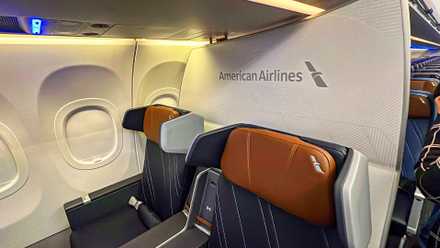
More broadly, the article underscores a competitive gap that has opened between American Airlines and rivals Delta and United in domestic premium products. Delta and United have both invested in updated A321neo interiors with larger seatback entertainment displays, improved connectivity, and more contemporary cabin finishes, while American continues to rely on Collins MiQ recliners and a bring-your-own-device streaming model. This matters for operators and airline planners because domestic first class has historically been a key differentiator for loyalty programs and a meaningful revenue driver through paid upgrades and co-brand credit card benefits. When the physical seat product in first class barely outperforms an economy subproduct—and in specific cases like exit row 27 is measurably worse in legroom—airlines risk eroding the perceived value of elite status and premium purchases, pushing more price-sensitive premium buyers toward Main Cabin Extra or toward competitors with stronger first-class hardware.
The trend also reflects a larger industry pattern in which "premium economy" and extra-legroom economy products are increasingly encroaching on traditional domestic first class, particularly on narrowbody aircraft where cabin real estate is tightly constrained. As airlines densify single-aisle jets like the A321neo to maximize seat count and yield per flight, the differentiation between cabins is compressing, forcing carriers to justify first-class pricing through service elements—meals, beverages, baggage allowance, dedicated crew attention—rather than hard product superiority. For pilots and flight planners, this is less about aircraft performance and more about understanding passenger expectations and behavior shifts that come with narrower cabin distinctions: as travelers become savvier about pitch measurements and seat maps, cabin crews should expect more informed, sometimes more demanding, passengers who arrive with specific seat assignments in mind and clear opinions about what they're paying for.












 Read original article