Why This Rule Is Quietly Forcing United Airlines' Boeing 777-200s Into The Desert
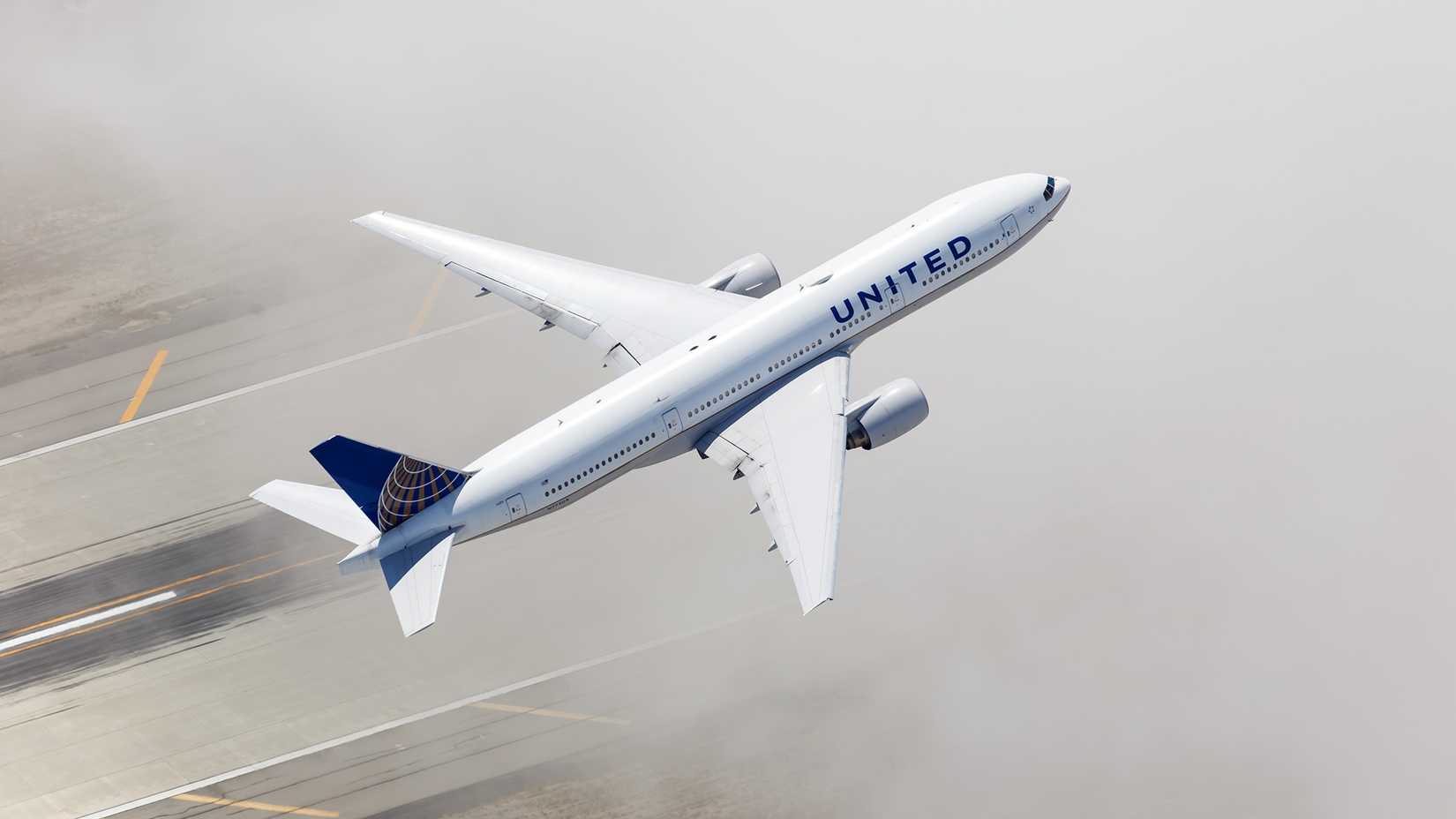
United Airlines' decision to accelerate the retirement of its aging Boeing 777-200 fleet reflects a convergence of European regulatory pressures that, while not directly taxing jet fuel, are reshaping the economics of long-haul widebody operations. The EU's Carbon Border Adjustment Mechanism entered its definitive phase on January 1, 2026, applying carbon costs to imported steel, aluminum, cement, and other carbon-intensive materials fundamental to aircraft manufacturing and airport infrastructure. While CBAM does not directly charge airlines for jet fuel burned on transatlantic routes, its indirect effects ripple through the aviation supply chain, raising costs for new aircraft deliveries, engine components, and ground infrastructure. More consequentially, the EU Emissions Trading System completed its phaseout of free emissions allowances in 2026, meaning airlines flying covered routes now bear the full carbon cost of their operations rather than a subsidized fraction. For a nearly 29-year-old aircraft type like United's 777-200, which burns meaningfully more fuel per seat-mile than a 787 Dreamliner or forthcoming A350-900, this shift transforms fuel efficiency from a cost-saving feature into a dual-benefit imperative: less fuel burned means both lower direct fuel expenditure and reduced carbon compliance liability.
For working pilots, particularly those flying widebody international routes, this story signals an acceleration of fleet modernization trends that have been underway for years but are now being reinforced by hard regulatory economics rather than just operational preference. Airline pilots at United and peer carriers should expect continued transition training onto 787 and A350 platforms as legacy 777-200s, and eventually older 777-300ERs and A330s, are phased toward retirement or converted to freighters. This has implications for bidding, base assignments, and type-rating opportunities, as carriers reallocate long-haul flying toward newer equipment disproportionately deployed on the most carbon-scrutinized routes, including those to and from the EU. Flight departments and dispatch teams will also need to factor emissions-trading compliance costs into route planning and aircraft assignment decisions, a consideration that historically fell outside the scope of day-to-day operational planning but is now becoming as material as fuel price hedging.
The broader trend extends well beyond United or the 777-200. Sustainable Aviation Fuel mandates under Europe's ReFuelEU Aviation initiative, combined with the EU ETS allowance phaseout and the looming possibility that CBAM-style mechanisms could eventually extend into aviation fuel itself, are collectively raising the cost floor for operating older, less efficient aircraft on European routes. Business aviation operators are not insulated from this dynamic either; corporate flight departments operating older-generation long-range jets into European airports are already seeing SAF blending requirements and emissions reporting obligations increase operating costs, and CBAM's upstream material cost pressures will eventually filter into business jet manufacturing and maintenance pricing as well. Airlines and operators with newer, more fuel-efficient fleets, or credible plans to modernize, are increasingly better positioned competitively, not just environmentally, as European regulators signal that carbon pricing is a permanent structural feature of aviation economics rather than a temporary compliance exercise.
Ultimately, this development illustrates how environmental regulation is becoming inseparable from fleet-planning and network-strategy decisions in ways that directly affect pilot career paths, training pipelines, and operational assignments. Pilots monitoring fleet transition announcements at their own carriers should treat European carbon policy, alongside traditional drivers like maintenance costs and passenger demand, as a genuine factor accelerating retirement timelines for older widebodies. As the EU continues reviewing whether to expand emissions trading to more departing flights and evaluates further carbon leakage protections, airlines operating aircraft designed decades ago will face mounting pressure to either modernize or absorb steadily rising compliance costs, a dynamic that will keep reshaping long-haul fleet composition across the industry well beyond United's 777-200 phaseout.







 Read original article