Why The Airbus A380 Is Perfect For British Airways’ High‑Capacity London Heathrow Routes
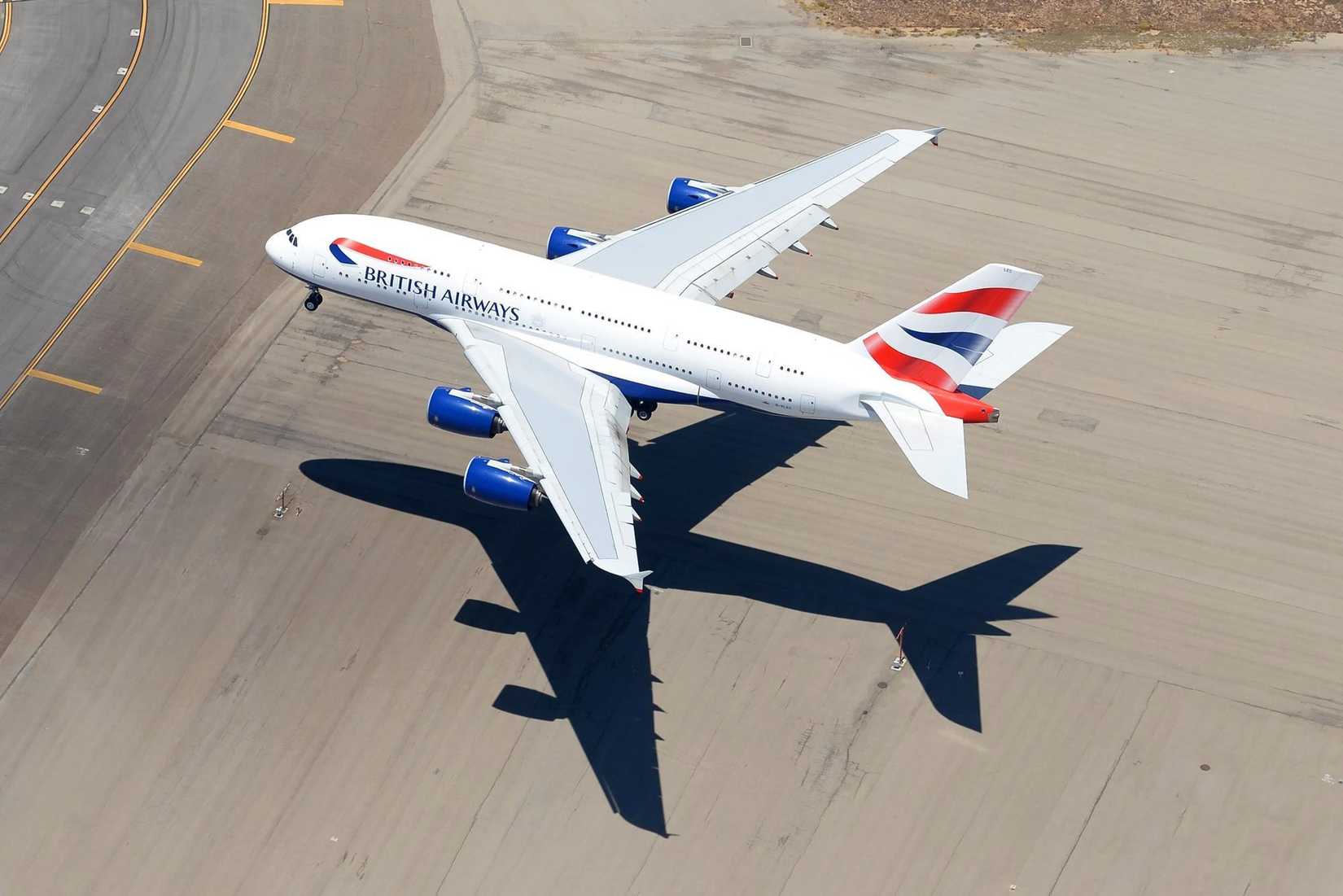
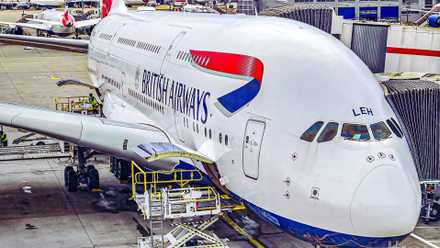
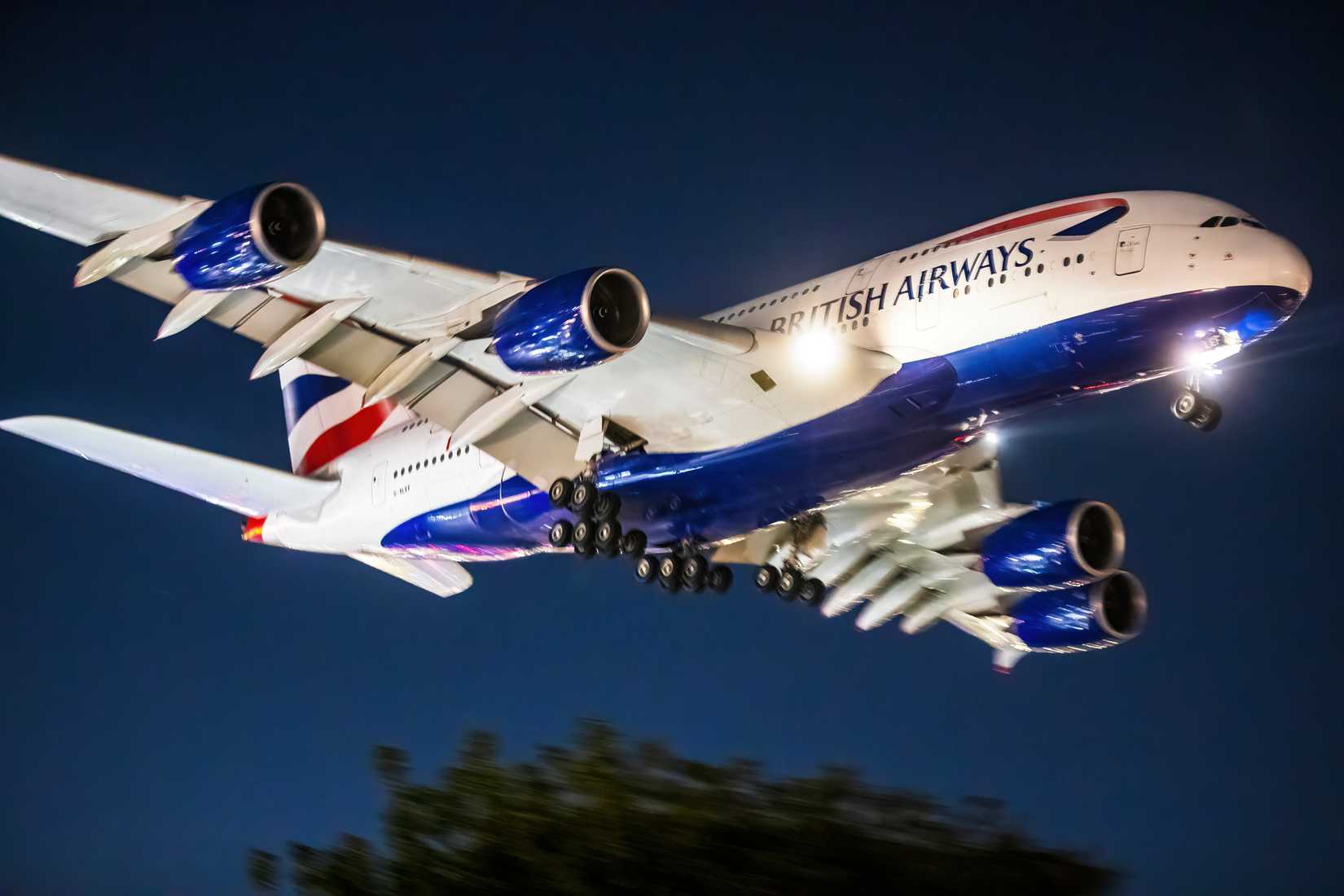
British Airways' continued investment in its 12-strong Airbus A380 fleet illustrates a strategic calculus increasingly rare in an industry that has largely moved away from four-engine widebodies. While Air France, Lufthansa, and most other former A380 operators have either retired the type or scaled back its use, BA has doubled down, concentrating the aircraft on eight core routes—including Los Angeles, Johannesburg, and Singapore—where Heathrow's severe slot constraints make capacity per movement more valuable than fuel efficiency per seat. With Heathrow consistently operating near 98% capacity and slot pairs commanding tens of millions of dollars on the secondary market, the A380's roughly 50% capacity advantage over a 787-9 effectively allows BA to monetize a single scarce takeoff-landing pair more aggressively than any twinjet could. This is a textbook case of an airline optimizing not around unit economics in isolation, but around the binding constraint of its operating environment—a lesson applicable to any carrier operating at severely capacity-limited hubs like JFK, LaGuardia, or Narita.
For working pilots, particularly those flying widebody international routes, this piece underscores how airport infrastructure and slot economics—not just aircraft-level fuel burn—continue to shape fleet planning and route assignment decisions at legacy network carriers. Pilots bidding into or already flying the A380 at BA, Emirates, or Qantas should recognize that the type's relevance is now geographically and structurally narrow: it thrives specifically at congested hub airports with consistently strong high-load-factor demand, and struggles everywhere else. This has real operational implications, including the irregular operations challenge highlighted in the article—when a nearly 500-seat aircraft suffers a mechanical delay or diversion, there is no straightforward substitute in most fleets, since the next-largest options (777-300ER, A350-1000) fall 140-200 seats short. Flight crews and dispatchers working A380 rotations need to be acutely aware of this capacity cliff when planning contingencies, crew rest, and passenger rebooking logistics, since IROPS involving the type carry outsized downstream effects on network recovery.
The broader industry trend remains firmly toward twin-engine efficiency, with Boeing's 787 and Airbus's A350 family dominating new widebody orders and most airlines prioritizing trip cost over sheer capacity. BA's approach is therefore something of an outlier, sustainable primarily because Heathrow's runway system—limited to two parallel runways with no near-term expansion—creates an unusually durable structural advantage for large-gauge aircraft that may not exist at less constrained airports. This matters for corporate and business aviation observers too: as major hubs like Heathrow, Charles de Gaulle, and increasingly LaGuardia and JFK approach hard capacity ceilings, the economics of larger mainline aircraft may see a modest, hub-specific revival even as the broader market continues consolidating around efficient twins. For now, though, BA's A380 strategy is less a bet on the aircraft's inherent superiority and more a highly specific response to Heathrow's unique slot scarcity—a dynamic pilots and operations planners at other slot-constrained hubs would do well to watch closely as a potential precedent.








 Read original article