Boeing history echoes through $10 billion 737 Max production overhaul
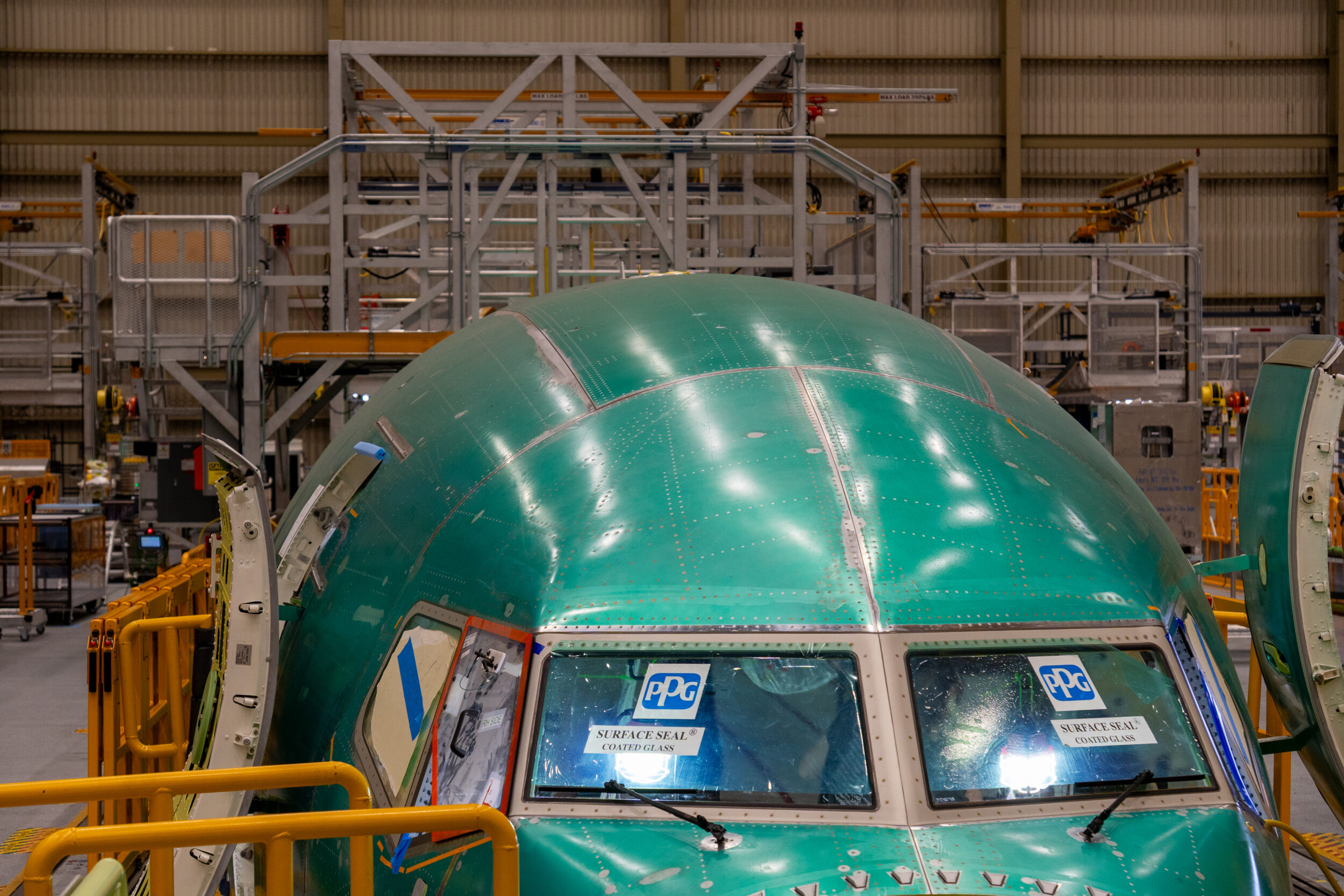
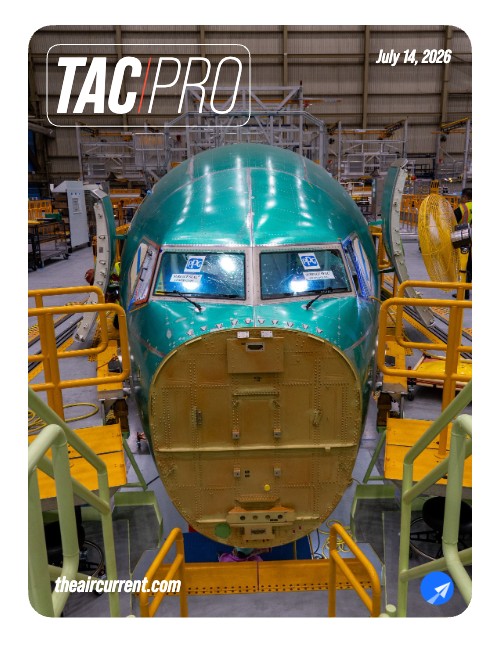
Boeing's decision to establish a second 737 Max assembly line in Everett, Washington represents one of the most consequential production decisions the company has made since the Max's return to service. The Air Current estimates the total investment at roughly $10 billion, a figure that includes the $8.3 billion spent last year reacquiring Spirit AeroSystems—the fuselage supplier whose quality lapses were central to the door-plug blowout on an Alaska Airlines Max 9 in January 2024—plus roughly $1 billion earmarked to build out the new "North Line" in the 40-26 bay, a space with a storied and checkered history in Boeing's product development. That same bay housed early 777 work, then the first Dreamliner build before production consolidated in South Carolina, and later was floated as a potential home for the New Midmarket Airplane before that program was shelved twice, in 2020 and again in 2022. The symbolism is not lost on anyone watching Boeing's trajectory: a space once earmarked for bold, clean-sheet ambition is now being repurposed to stabilize the company's cash-cow narrowbody program.
For working pilots and operators, the practical significance lies in production rate and delivery reliability. Boeing is targeting a return to 63 Max aircraft per month, with an eye toward studying rates as high as 70—territory that would put it in closer competition with Airbus's aggressive A320neo output targets. That matters directly to airline fleet planners, network schedulers, and pilots facing near-term hiring and fleet-growth decisions, since Max delivery delays over the past several years have forced carriers to extend leases on older aircraft, slow retirements, and in some cases idle pilots hired in anticipation of aircraft that never arrived on schedule. A more reliable, higher-rate Max production system, if it materializes without new quality escapes, would ease scheduling uncertainty across U.S. and international narrowbody operators alike, many of whom have Max orders numbering in the hundreds.
The rollout strategy itself signals how seriously Boeing and the FAA are treating manufacturing conformity after the 2024 door-plug incident and the resulting FAA-imposed production cap of 38 aircraft per month at Renton. Rather than ramping the new Everett line quickly, Boeing plans to build the first ten North Line aircraft at deliberately slow pace, withholding deliveries until FAA inspectors are satisfied that Everett-built jets are indistinguishable in build quality from their Renton counterparts. This cautious, inspection-heavy approach reflects the regulatory environment Boeing now operates in—one where the FAA has tightened oversight of production processes, traveled work, and supplier quality control following the Spirit AeroSystems failures. For flight crews and safety departments, this signals a slower, more conservative path back to full-rate production than Boeing's public rate targets might suggest, and it underscores that near-term deliveries will likely remain constrained even as the company adds capacity.
Broader industry context reinforces why this matters beyond Boeing's own balance sheet. The Spirit AeroSystems buyback is aimed squarely at eliminating the "traveled work" and quality-control friction that plagued fuselage handoffs between supplier and airframer—an issue that has drawn intense scrutiny from airlines, regulators, and pilot unions alike since the Alaska Airlines incident. Vertical integration of this kind, paired with a second geographically separate assembly line, also serves as a hedge against single-site disruption, a lesson reinforced by pandemic-era and labor-related production halts. As Boeing turns 110, the Everett investment illustrates a broader shift across commercial aviation manufacturing: after a decade of chasing ambitious clean-sheet programs and expanding supply chains for cost efficiency, manufacturers are re-investing in core narrowbody reliability, quality assurance, and rate stability—priorities that directly shape aircraft availability, delivery timelines, and ultimately staffing and scheduling decisions for airlines and pilots worldwide.