Alaska Airlines' New Boeing 787s Will Debut “Next Level” Business Class & Premium Economy
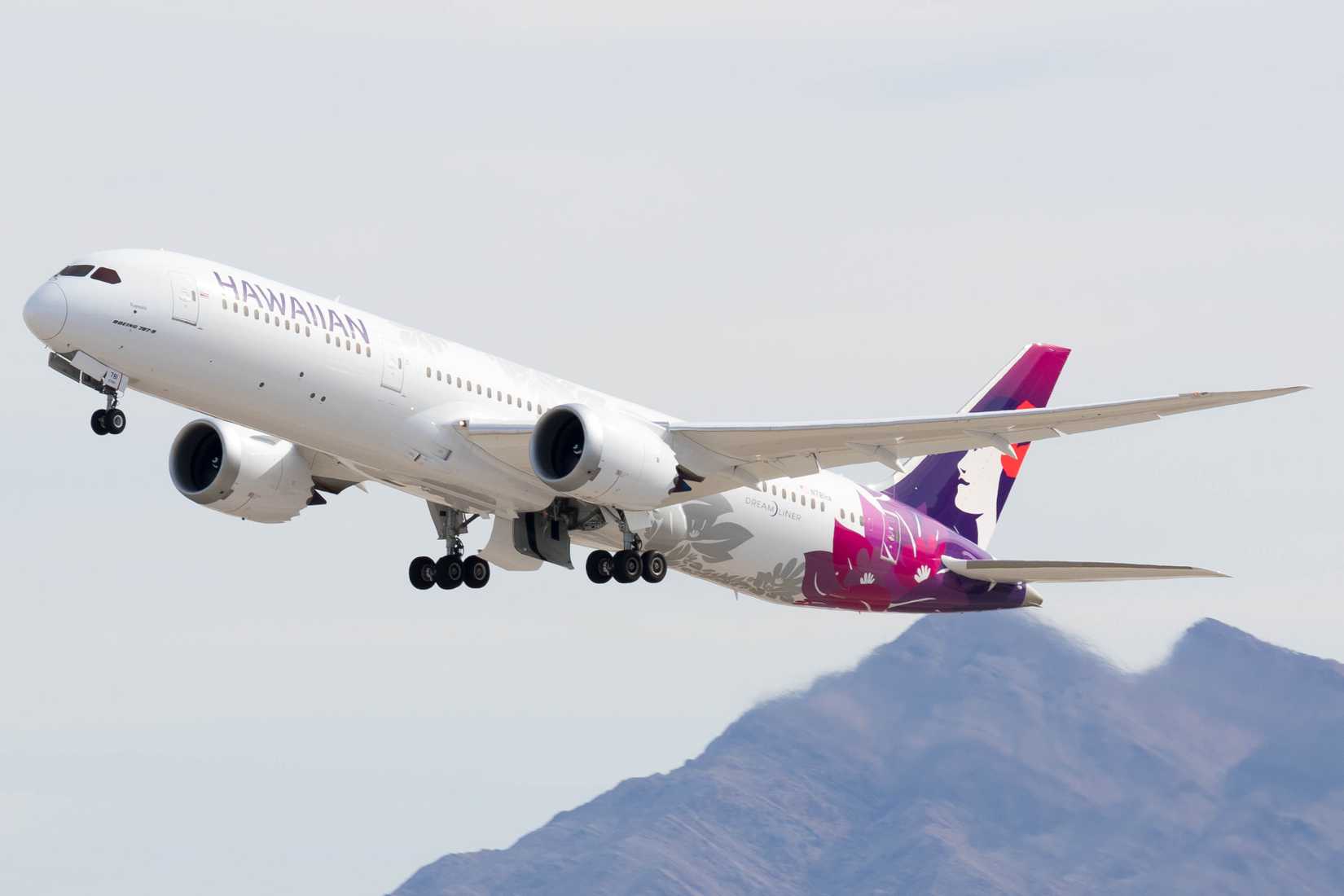
Alaska Airlines is signaling a significant next phase in its post-Hawaiian acquisition integration strategy, moving beyond simple branding overlays toward a genuine hard-product redesign of its Boeing 787 business class cabin. The airline confirmed that its incoming 787-9 Dreamliners, part of the fleet it inherited through the $1.9 billion Hawaiian Airlines acquisition, will feature a revised business class product that builds on Hawaiian's 2024-launched Leihoku Suites design. Rather than discarding the well-received Pacific-inspired aesthetic outright, Alaska appears intent on evolving it into something that carries a more distinct Pacific Northwest identity, informed by a color palette Alaska executives note already aligned closely with their own branding. The announcement, made at a media event tied to Hawaiian's entry into the oneworld alliance, underscores how Alaska is using this integration milestone to publicly assert control over the combined carrier's long-haul product direction.
For working pilots and flight operations professionals, this development is a useful signal of where Alaska is placing its capital and network priorities as it scales widebody flying. The airline is targeting a 17-aircraft 787 fleet supporting 12 long-haul destinations from Seattle by 2030, with London, Rome, Tokyo, and Seoul already anchoring that network. That kind of fleet growth carries direct implications for pilot hiring, widebody type-rating demand, and long-haul crew base planning at Alaska, particularly as the carrier absorbs Hawaiian's international route authorities and integrates two previously separate flight operations under one strategic umbrella. Dreamliner deliveries are already underway, with five aircraft in Seattle hangars and a sixth expected in fall, all slated to receive Starlink connectivity by year-end—a detail relevant to flight crews managing cabin systems, dispatch communications, and passenger service expectations on ETOPS-qualified long-haul sectors.
The broader significance lies in what this move represents for airline consolidation strategy more generally. Post-merger integrations often face a tension between preserving an acquired brand's strengths and asserting the acquiring carrier's identity, and Alaska's approach—retaining Hawaiian's well-regarded cabin architecture while layering in incremental hard-product changes—reflects a cautious, phased integration rather than an abrupt overhaul. This mirrors patterns seen in other major U.S. airline mergers, where cabin standardization and product harmonization typically lag behind operational and network integration by several years. Alaska's parallel commitment to a new premium economy recliner product, targeted for 2028, further suggests the carrier is building a multi-year, tiered widebody product rollout rather than a single redesign event.
For business aviation and commercial pilots alike, the Alaska-Hawaiian widebody buildout is also a bellwether for competitive dynamics on transpacific and long-haul international routes historically dominated by legacy majors and Asian carriers. Alaska's unresolved posture on potential Australian routes (Sydney or Melbourne) hints at continued network expansion ambitions beyond the currently committed destinations, which would further increase demand for qualified 787 crews and long-haul operational infrastructure. As Alaska works to differentiate its acquired widebody product from a "phenomenal" but externally inherited design, the coming cabin revisions will serve as a visible proof point of how effectively the carrier can merge two airline cultures, fleets, and premium strategies into a unified long-haul operation—an outcome that industry observers, crews, and competitors will be watching closely through the rest of the decade.






 Read original article