Luxaviation Grows Fleet, Adds New Gulfstreams
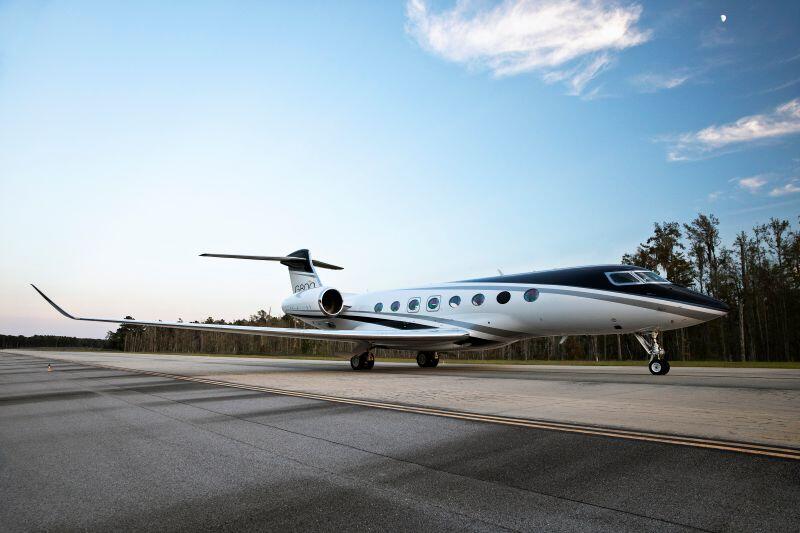
Luxaviation Group's addition of nine aircraft to its managed fleet—including two Gulfstream G700s and a single G800—signals continued momentum in the ultra-long-range business jet segment, particularly in the Asia-Pacific region. The Luxembourg-based operator, one of the largest business aviation groups in the world, is deploying these newest-generation Gulfstreams through its ExecuJet aircraft management and charter operations in APAC, an area where Luxaviation has been steadily building scale alongside its more established European and North American footprint. The G700 and G800 represent Gulfstream's flagship large-cabin platforms, offering intercontinental range, high-speed cruise capability, and cabin amenities designed for the ultra-high-net-worth and corporate flight department clientele that drives demand at the top of the managed and charter fleet market.
For working pilots, particularly those flying large-cabin or ultra-long-range aircraft, fleet expansions of this kind matter because they translate directly into hiring demand, type-rating opportunities, and international flying assignments. Gulfstream's newest platforms—the G700 in particular, having recently completed certification, and the G800 following close behind—require pilots with specific type training, and management companies like Luxaviation are often the fastest path to type-rating sponsorship for career-track business aviation pilots. The APAC concentration is notable: as regional wealth continues to grow and cross-border business travel rebounds, management companies are positioning long-range assets in Singapore, Hong Kong, and other APAC hubs to serve intercontinental missions to Europe, North America, and the Middle East without fuel stops, which has operational implications for crew duty time planning, augmented crew requirements, and international operating specifications.
More broadly, this development reflects a persistent trend in business aviation: consolidation of managed and charter fleets under large, multinational operators who can offer owners global maintenance networks, standardized safety oversight, and charter revenue opportunities that offset ownership costs. Luxaviation, along with competitors like NetJets, Flexjet, VistaJet, and Jet Aviation, has been aggressively growing its managed fleet to capture market share in a business aviation environment that, while off its pandemic-era peak utilization, remains structurally larger than pre-2020 levels. The addition of flagship Gulfstream models specifically underscores sustained demand at the ultra-long-range end of the market, even as smaller cabin segments have seen more mixed order activity.
For flight departments and charter operators competing for talent, these fleet additions are also a bellwether of where qualified large-cabin captains and first officers will find opportunity in the next 12-24 months. As management companies like Luxaviation grow their G700/G800 presence in APAC, expect corresponding recruitment pushes for pilots with heavy international experience, ETOPS-equivalent long-haul planning skills, and familiarity with the regulatory patchwork across APAC jurisdictions—an increasingly valuable skill set as the region's business aviation infrastructure matures alongside the aircraft now being based there.









 Read original article