Garmin Unveils Avionics For GA, Electric Aircraft
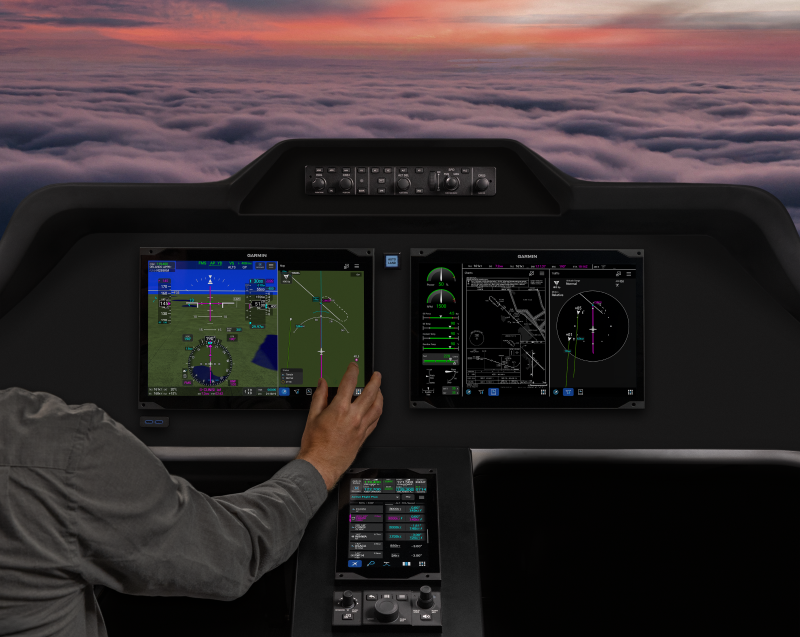
Garmin's introduction of the G2000 Prime integrated flight deck marks a significant expansion of its avionics roadmap into the single- and twin-engine piston and electric aircraft segments, extending technology first debuted in the G3000 Prime system built for Part 23 turbine aircraft. Unveiled July 16, the G2000 Prime carries forward the touchscreen-centric architecture, processing improvements, and interface refinements that have defined Garmin's Prime family, but adapts them for the performance envelopes, power systems, and mission profiles typical of high-performance piston singles, twins, and the emerging class of electric aircraft. By porting Prime-generation capabilities down into this segment, Garmin is signaling that the technology gap between turbine business aircraft flight decks and piston GA cockpits continues to narrow.
For working pilots, this matters because avionics standardization and commonality across aircraft classes reduces training burden and transition risk. A pilot moving between a piston twin and a turboprop or light jet increasingly encounters similar display logic, menu structures, and automation philosophy rather than starkly different systems requiring separate type-specific mental models. Flight schools, fractional operators, and flight departments that operate mixed fleets benefit directly from this convergence, as instructors and check airmen can leverage shared procedures and CRM concepts across platforms. The inclusion of electric aircraft in the G2000 Prime's target market is also notable: it indicates Garmin sees near-term commercial viability in electric propulsion for conventional GA airframes, not just eVTOL air taxis, and is proactively building the avionics infrastructure — including whatever power/battery management displays and integration such aircraft require — ahead of broader market maturity.
The move also reflects a broader industry pattern in which avionics manufacturers are pushing large-format, highly integrated touchscreen suites further down-market, following a trajectory similar to what occurred with the original G1000/G3000 rollout over the past two decades. As airframers developing new piston and hybrid-electric designs seek differentiation and modern cockpit ergonomics to attract buyers accustomed to consumer-grade touch interfaces, having a scalable "Prime" architecture that spans from Part 23 turbines down to piston and electric platforms gives Garmin a competitive edge over rivals like Honeywell, Collins Aerospace, and smaller entrants such as Avidyne or Dynon, particularly in the OEM selection process for new aircraft programs.
More broadly, this announcement underscores how electrification and advanced air mobility development are increasingly intertwined with mainstream GA avionics strategy rather than treated as a separate, niche category. As electric and hybrid-electric aircraft programs progress toward certification, having established avionics suppliers like Garmin build flexible, forward-compatible flight decks reduces integration risk for airframers and gives operators confidence that these aircraft will offer familiar, supportable cockpit environments rather than bespoke, unproven interfaces. For flight departments and owner-operators evaluating next-generation piston or electric aircraft, the G2000 Prime represents a signal that mainstream avionics support — parts, training, software updates, dealer network — will extend into this segment just as it has for turbine and legacy piston fleets, lowering a key adoption barrier for new aircraft technology.









 Read original article