Archer, Beta Consortium Targets 250 Electric Aircraft Charging Sites
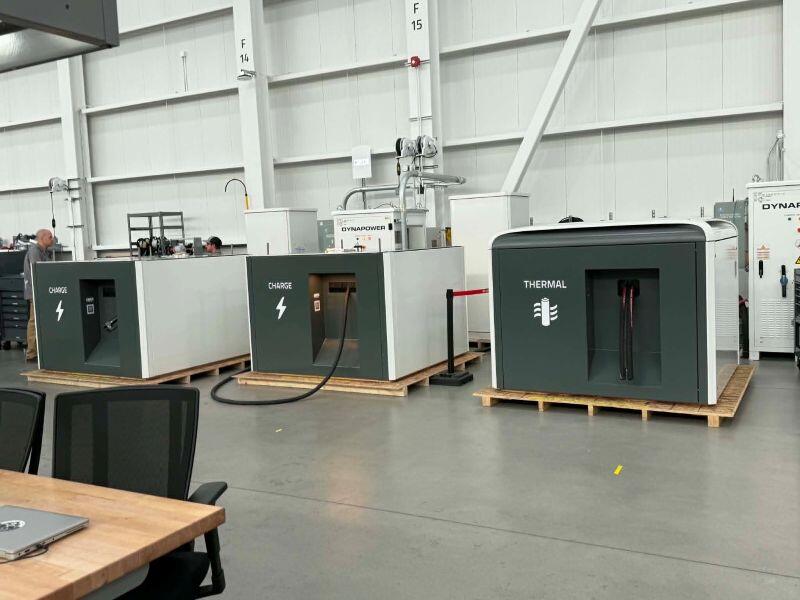
Archer Aviation, BETA Technologies and Macquarie Capital have formed a new consortium, dubbed America's Consortium for Electric Skyways, aimed at building out a nationwide charging infrastructure network for electric aircraft. The initiative targets deployment of charging capability at more than 250 airports and vertiports across the United States by 2030, using BETA's Combined Charging System (CCS)-based charging standard as the technical foundation. Notably, the network is designed to be interoperable — meaning it would support charging for electric aircraft from multiple manufacturers rather than being locked to a single OEM's proprietary system, a critical distinction given that Archer and BETA are otherwise direct competitors in the eVTOL and electric aviation space.
The move addresses one of the most persistent obstacles to scaling electric aviation: the chicken-and-egg problem of infrastructure. Air taxi operators, regional electric aircraft programs, and even conventional airports exploring electric ground support and aircraft charging have long faced uncertainty over which charging standards will prevail and who will fund the capital-intensive buildout of high-power charging equipment at airports and vertiports. By aligning around BETA's CCS-based approach — which BETA has already deployed at dozens of sites through its own charging network — Archer gains access to a more mature charging standard while BETA gains a larger, better-capitalized partner to accelerate deployment. Macquarie Capital's involvement signals institutional infrastructure financing entering the AAM sector, echoing patterns seen in EV charging and renewable energy infrastructure buildouts where large asset managers underwrite capital-intensive network expansion in exchange for long-term revenue streams.
For working pilots and aviation operators, this development matters on several levels. Business aviation operators and fractional/charter providers eyeing eVTOL air taxi integration will need confidence that charging infrastructure exists at destination airports and vertiports before committing to electric aircraft acquisition or partnership agreements — Archer's commercial partners (including United Airlines and various airport authorities) and BETA's Part 135 and cargo customers alike depend on this buildout. Airport operators, meanwhile, are increasingly being asked to plan for electric aircraft ramp space, power infrastructure upgrades, and charging equipment alongside traditional avgas and Jet-A infrastructure, and a standardized, interoperable approach reduces the risk of stranded investment in single-vendor systems. FBOs and ground handlers should also take note, as charging infrastructure will eventually become a service differentiator much as fast Wi-Fi and GPU/APU alternatives are today.
More broadly, this consortium reflects a maturing phase in the advanced air mobility sector, where early hype around aircraft certification is giving way to sober recognition that infrastructure, standards harmonization and financing are equally decisive factors in commercial viability. With Archer and Joby both pushing toward FAA type certification and early commercial operations, and BETA advancing both its eVTOL and conventional takeoff electric aircraft (CX300), the industry is beginning to coalesce around shared infrastructure rather than fragmented, proprietary networks — a pattern that mirrors the early automotive EV charging wars before standards like CCS and NACS gained broader adoption. For pilots transitioning into electric aircraft operations, whether in air taxi, cargo, or regional connector roles, the pace and geographic breadth of this charging network buildout will directly shape route planning, range management, and operational flexibility in the coming years, making infrastructure announcements like this one as consequential to the sector's trajectory as aircraft certification milestones themselves.







 Read original article