Q2 2026 earnings: GE Aerospace keeps the beat despite a few missed notes
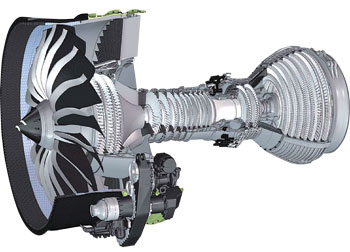
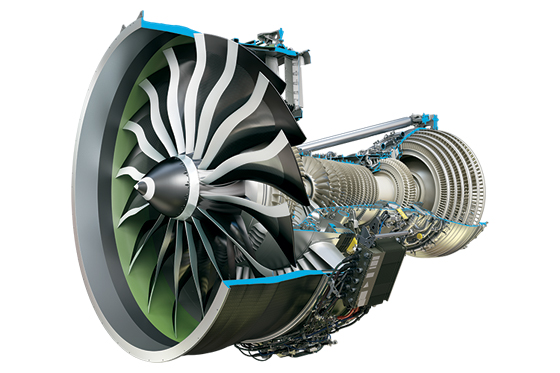
GE Aerospace's second-quarter 2026 results reinforce a narrative that has now persisted for several quarters: the CFM LEAP program's early reliability struggles are giving way to a maturing, increasingly profitable installed base, while commercial aftermarket demand continues to outrun even optimistic projections. The company raised full-year guidance on the strength of a 31% increase in first-half engine deliveries, a 41% jump in LEAP shipments specifically, and a commercial services backlog exceeding $210 billion. Perhaps more consequential for operators is the operational progress: LEAP shop visit turnaround times have fallen to roughly 100 days, down more than two weeks year-over-year, and the number of LEAP-powered aircraft grounded for lack of engine availability has fallen to "nearly none." For airlines that have spent the past two years managing AOG exposure and spare-engine shortages tied to LEAP durability issues, this is meaningful operational relief, and it stands in sharp contrast to Pratt & Whitney's ongoing GTF durability and inspection woes, which continue to ground a meaningful share of the A320neo fleet worldwide.
For working pilots and flight operations planners, engine reliability trends translate directly into aircraft availability, schedule integrity, and route planning stability. A narrowing MRO turnaround window and falling AOG rates mean fewer last-minute equipment swaps, canceled rotations, or spare-engine-driven schedule gaps — issues that have rippled through crew scheduling and maintenance planning departments at LEAP-powered operators like Southwest, American, and the growing 737 MAX fleets of carriers such as Copa Airlines, which just added up to 120 LEAP-1B engines for future MAX deliveries. The certification of the 1B durability kit, featuring an upgraded high-pressure turbine blade expected to roughly double time-on-wing when it enters service early next year, should further reduce unscheduled maintenance events and improve dispatch reliability across the narrowbody fleet — a tangible benefit for line pilots dealing with fewer mechanical delays and diversions tied to engine-driven maintenance holds.
The Iran conflict subplot is notable less for its market impact than for what it reveals about industry resilience. GE reported "roughly flat" first-half departures despite the volatility and explicitly stated it observed no meaningful change in airline behavior — a data point that echoes broader post-pandemic findings that air travel demand recovers quickly from geopolitical shocks short of sustained regional conflict or extended airspace closures. This matters to flight planners and dispatchers navigating an increasingly complex geopolitical risk environment across the Middle East, where overflight routing, fuel tankering decisions, and diversion planning have become recurring operational realities. GE's confidence that departures will return to modest growth in the second half suggests airlines are treating recent volatility as transient rather than structural, consistent with capacity plans that continue to prioritize fleet growth and utilization over retrenchment.
Longer-term, the earnings call underscores a structural shift in how engine OEMs generate profit: less from new engine sales, which are essentially sold near or below cost to capture decades of aftermarket revenue, and more from the deepening maintenance cycle as fleets like the GE90 (with roughly 70% of the fleet still awaiting a second shop visit) and the rapidly maturing LEAP fleet move into higher-value overhaul work. This "power-by-the-hour" aftermarket economics model has direct implications for airline maintenance budgeting, lease-return conditions, and used-engine/parts markets, all of which corporate flight departments and airline technical operations groups must factor into long-range fleet planning. GE's stated goal of growing external MRO channel capacity from the mid-teens to roughly 30% of LEAP servicing by 2030, alongside a 20%-plus compound growth rate in repair capability, signals an industry-wide push to expand third-party and network MRO capacity — a trend business aviation operators and regional carriers alike should watch closely as they compete for shop slots and turnaround priority in an aftermarket market increasingly dominated by a handful of high-volume platforms.











 Read original article