New: Air Niugini To Reinstate Flights To Auckland After Nearly 30-Year Hiatus
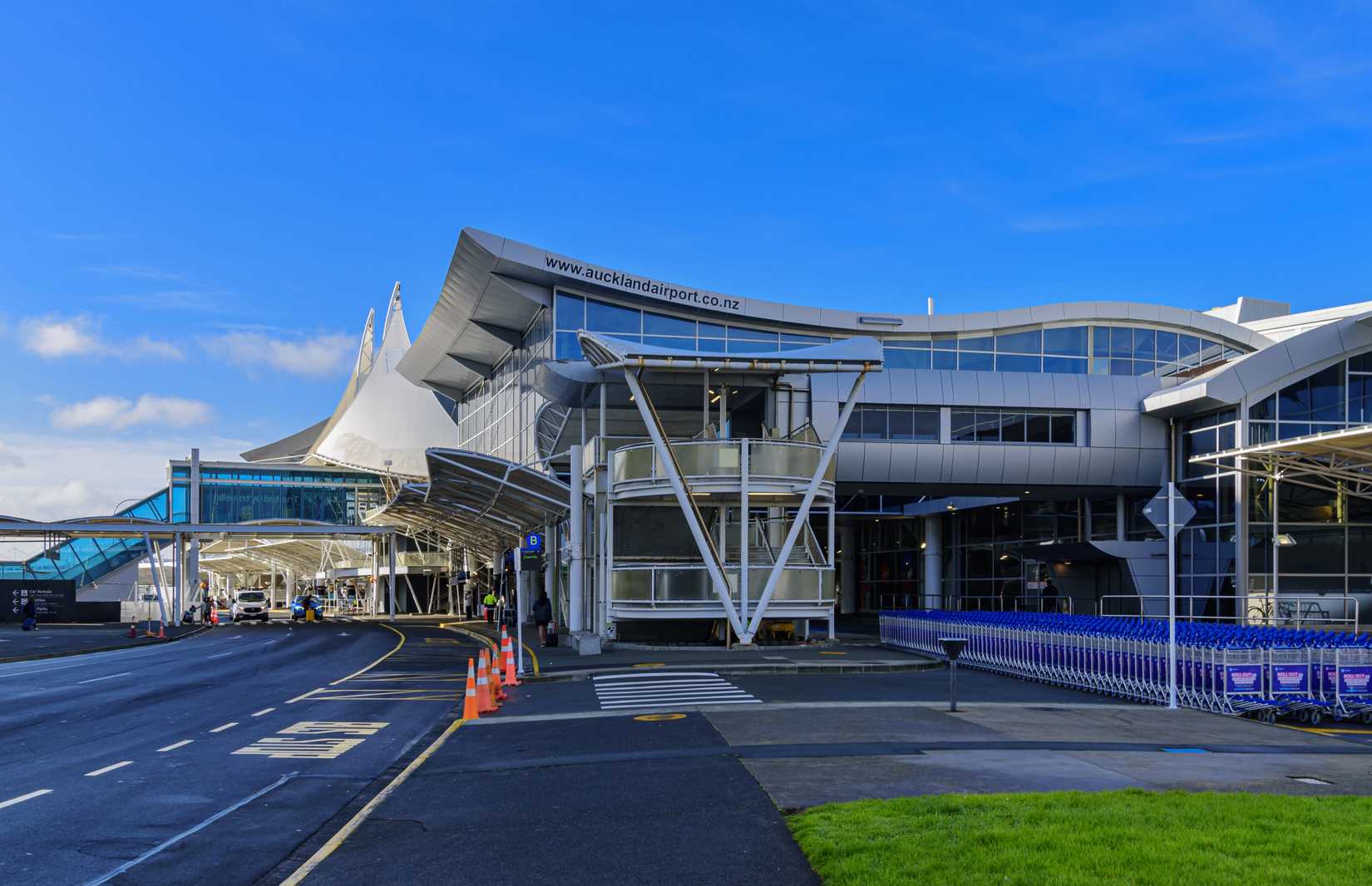
Air Niugini's decision to reinstate nonstop service between Port Moresby and Auckland after a nearly 30-year absence marks a notable reconfiguration of Pacific connectivity, restoring a direct air link that has been dormant since 1998. Beginning November 19, the flag carrier of Papua New Guinea will operate the route three times weekly using a Boeing 737-800, with a Tuesday, Thursday, Saturday outbound pattern from Port Moresby and overnight layovers in Auckland before returning the following mornings. The 2,563-mile sector will take roughly four hours and 40 minutes outbound and five hours on the return leg against prevailing winds. Notably, the launch date has already slipped twice—from an original July target to September, and now to November—underscoring the operational and regulatory complexities that often accompany long-haul route resumptions, particularly for carriers operating from infrastructure-constrained markets like Papua New Guinea.
For working pilots and aviation professionals, this route resumption is a case study in how thin, socially-driven markets can justify scheduled international service even when tied to a single narrowbody type and modest weekly frequency. The route's viability rests heavily on the seasonal horticulture and viticulture labor pipeline between the two countries, with Papua New Guinean workers comprising close to a third of all travel demand. This is a reminder that regional and South Pacific route economics are frequently shaped less by premium corporate or leisure traffic and more by labor mobility agreements and government-backed employment schemes—dynamics that flight planners, crew schedulers, and network planners at similarly positioned regional carriers must account for when building or reviving thin routes. The choice to initially deploy the 737-800, with a planned upgrade to the more fuel-efficient Airbus A220-300 by late 2027, also reflects a broader trend among smaller flag carriers of using widely available narrowbody types to open or reopen routes cautiously before committing more specialized or capacity-optimized aircraft once demand patterns are validated.
The broader fleet context surrounding Air Niugini adds further texture to the story. The airline's mixed fleet of 18 active aircraft—spanning 737-800s, 767-300s, A220-300s, Dash 8s, and Fokker 70/100s—illustrates the operational diversity many smaller national carriers must maintain to serve both domestic mountainous terrain routes, where road infrastructure is largely absent, and longer international sectors to Australia, Asia, and now New Zealand. The cancellation of Air Niugini's Boeing 787-8 order this past February, intended to replace its aging 767 fleet, signals continued fleet renewal uncertainty at the carrier, a challenge not uncommon among Pacific Island flag carriers balancing capital constraints against aging equipment and the need to modernize for longer-haul, higher-yield international markets. Pilots and dispatchers monitoring Pacific network changes should note that Air Niugini is positioning Port Moresby as a connecting hub for indirect itineraries to destinations like Narita, Hong Kong, and Manila—a strategy mirroring how other mid-sized regional carriers attempt to compete against larger full-service and low-cost rivals by offering cost-competitive routings through secondary hubs.
Finally, this development fits into a larger pattern across commercial aviation in 2026: the revival of long-dormant international routes as post-pandemic demand recovery, labor mobility programs, and shifting geopolitical and economic ties between neighboring nations create renewed justification for service that had previously been deemed commercially unviable. Similar route reinstatements have occurred across other underserved international city pairs where historical air links were severed due to airline consolidation, financial distress, or shifting alliance structures. For flight operations and network planning professionals, the Air Niugini-Auckland case reinforces the importance of monitoring bilateral labor and immigration policy alongside traditional demand metrics when evaluating route feasibility, especially in markets where scheduled service can be the primary lifeline connecting isolated or infrastructure-limited regions to broader economic opportunity.








 Read original article