With ‘massive’ rework challenge looming, Boeing quietly scrapped a 777X
Boeing's quiet decision to scrap WH007, the seventh 777-9 test airframe, offers a stark window into the depth of the 777X program's troubles—troubles that have been simmering for years but only recently crystallized into hard financial and operational reality. The 251-foot jet, painted in Emirates livery and dormant at Paine Field since 2019, never flew a single hour. Rather than continue absorbing storage, maintenance, and eventual rework costs on an airframe built to an early, now-outdated configuration, Boeing chose to disassemble it in late summer 2025 and fold the loss into the $4.9 billion reach-forward charge disclosed on October 29. That charge, layered onto roughly $15 billion in cumulative 777X accounting losses, pushed the jet's commercial entry into service back yet again, this time to 2027—nearly a decade after the program's original 2020 target.
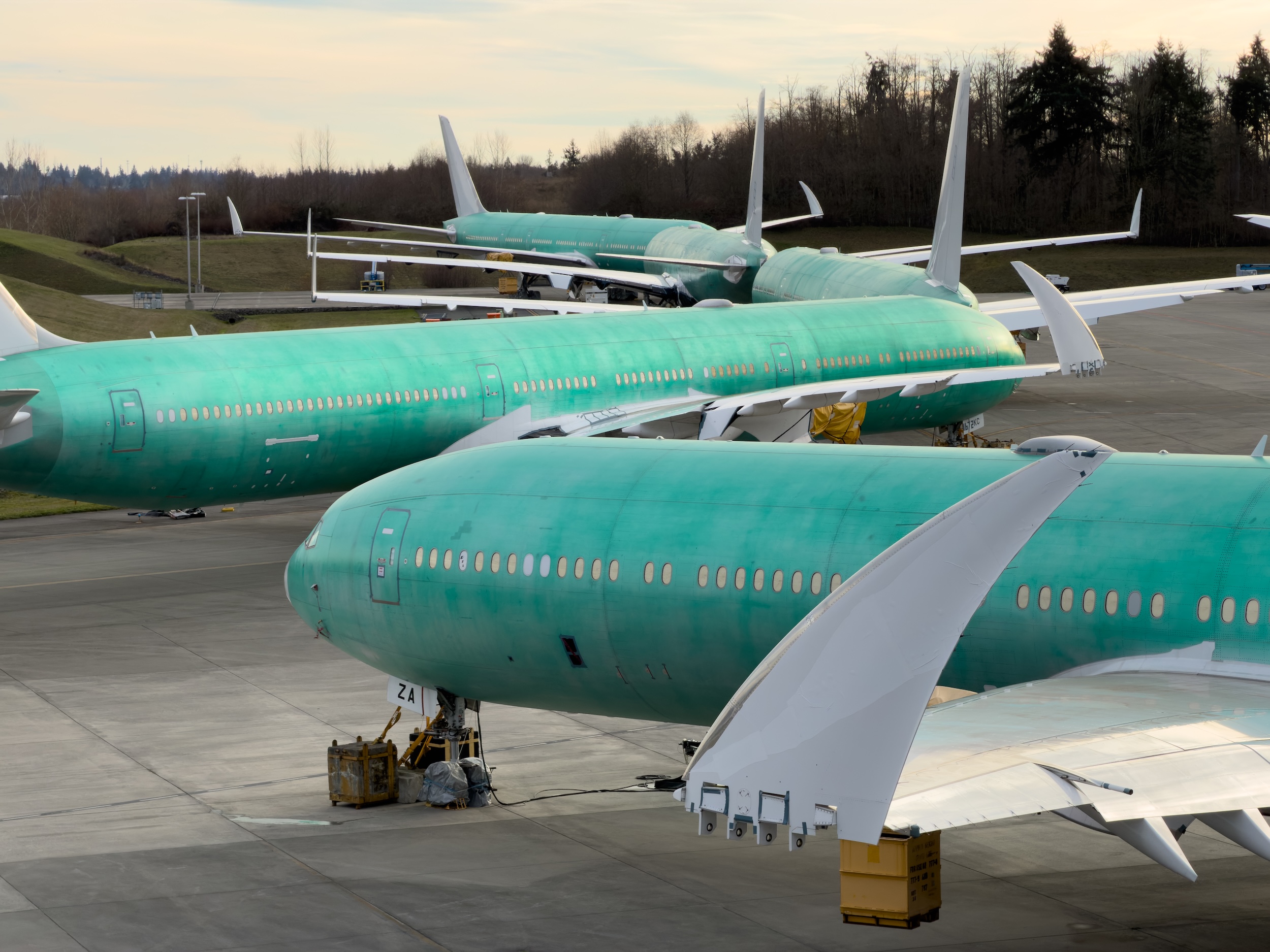
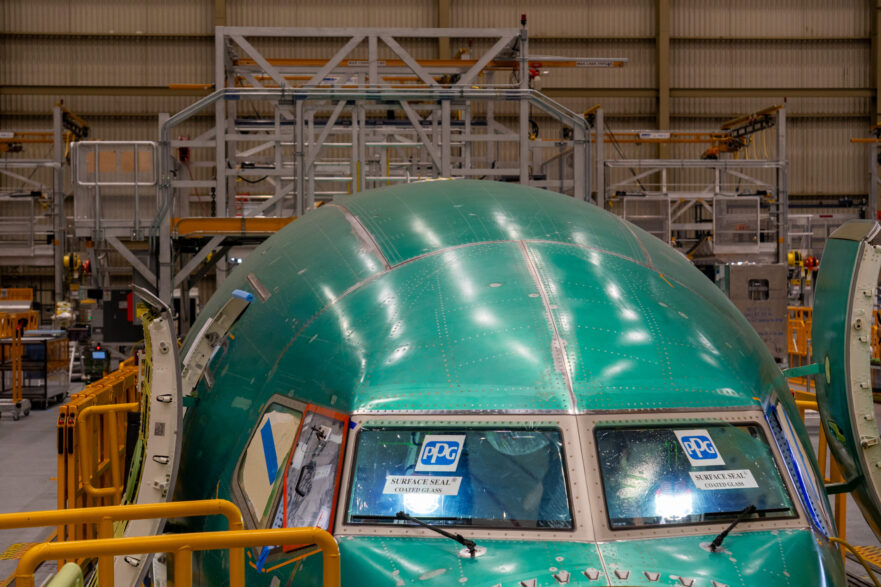
For working pilots and operators, the significance here extends beyond one scrapped test article. Boeing has confirmed that roughly 40 already-built 777-9 and 777-8 airframes are sitting in various states of completion, and the company itself describes the "change incorporation" process needed to bring them to airworthy, deliverable status as a "massive" undertaking that will stretch "over the next several years." That is a striking admission: an entire fleet of nearly-finished widebodies requires substantial rework before they can enter revenue service, likely involving wiring, systems, and structural modifications identified during the protracted certification flight test campaign. For carriers like Emirates, Qatar Airways, Cathay Pacific, and other 777X launch customers who have spent years planning fleet renewal, network expansion, and pilot training pipelines around this aircraft, the delay compounds existing uncertainty. Airlines have had to repeatedly extend the service life of aging 777-300ERs and A380s, adjust crew bidding and training schedules, and in some cases renegotiate delivery slots—all while the type's actual flight characteristics and systems maturity remain works in progress heading into the back half of certification testing.
The broader context matters too: Boeing arrives at Farnborough this year touting momentum on other fronts—737 Max 7 certification appears imminent, and the company just posted its best half-year delivery total since 2018. That narrative of recovery, however, sits uneasily alongside the 777X's continued slippage and the newly disclosed scale of rework required across the built inventory. Investors and industry watchers will be looking closely at the July 28 earnings call for clarity on cost trajectory, delivery cadence, and whether additional early-build airframes face the same fate as WH007. For pilots and flight operations planners, the episode underscores a now-familiar pattern in widebody development: aggressive early production ramp-ups ahead of firm certification timelines create exactly the kind of costly, out-of-sequence rework Boeing is now absorbing at scale. It's a cautionary data point for how manufacturers balance production-line momentum against certification risk—a tension that has defined much of Boeing's post-Max era and continues to shape how airlines hedge fleet-planning bets on not-yet-certified aircraft.
Finally, the scrapping of WH007 carries symbolic weight beyond its balance-sheet impact. It represents an implicit acknowledgment that some early-build 777X airframes are configured too far from the final certified standard to be economically worth reworking—a reality that raises questions about how many more of the roughly 40 built aircraft might ultimately prove uneconomical to complete versus scrap. For airline planners and finance teams evaluating 777X delivery slots, and for the pilots who will eventually transition onto the type, the message is clear: while flight testing progresses, the industrial and financial cleanup behind the scenes remains substantial, and the promised "ramp" of deliveries once certification arrives may be more gradual and costlier than headline dates suggest.