Boeing’s opening offer to SPEEA imminent
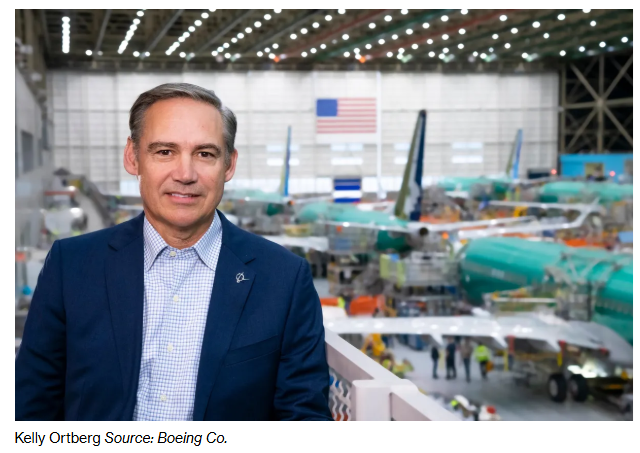
Boeing's forthcoming opening offer to the Society of Professional Engineering Employees in Aerospace (SPEEA) represents a critical early test of whether CEO Kelly Ortberg's promised labor relations reset is materializing ahead of the union's Oct. 6 contract expiration. According to sources cited by Leeham News, the offer could arrive within the week or, at latest, within two weeks. Notably, the preliminary discussions between Boeing and SPEEA leadership have focused on non-economic topics—matters like scheduling and days off—rather than the wages, benefits, and retirement issues that typically drive the most contentious negotiations. Both sides have characterized these early talks in positive terms, a marked departure from the acrimony that has defined recent Boeing labor negotiations.
The stakes here extend well beyond SPEEA's roughly engineering and technical workforce. Boeing's credibility with organized labor took a severe hit in 2024 when the IAM 751 contract negotiations collapsed despite a tentative agreement that both company and union leadership had touted as historically generous. Rank-and-file members rejected that deal in a landslide, triggering a 53-day strike that forced Boeing to draw down its cash reserves and raise $24 billion in the debt and equity markets just to stay solvent through the disruption. A subsequent Defense-side contract with IAM 837 took over 100 days to resolve, with picket lines active the entire time. That track record means any misstep with SPEEA—Boeing's second-largest union—would reinforce doubts about whether Ortberg's leadership genuinely represents a cultural shift or merely a change in tone without substantive change in outcomes.
For working pilots and aviation operators, labor stability at Boeing carries direct operational consequences. Engineering and technical staff represented by SPEEA are integral to certification work, production support, and technical documentation across Boeing's commercial and defense programs—functions that bear directly on aircraft delivery schedules, airworthiness directives, and fleet support responsiveness. Airlines and fleet operators already contending with delivery delays on the 737 MAX and 787 programs have a vested interest in Boeing avoiding another prolonged work stoppage, which historically cascades into supply chain disruption, deferred deliveries, and diminished technical support bandwidth precisely when carriers are trying to rebuild capacity and modernize fleets.
More broadly, this negotiation is emblematic of a larger reckoning across legacy aerospace manufacturers, where post-pandemic labor tightness, inflation-driven wage demands, and lingering distrust from safety and quality lapses have emboldened unions relative to management. Boeing's experience—reduced to raising emergency capital because it misjudged its own workforce's sentiment—has become something of a cautionary tale across the industry, prompting other manufacturers and MRO providers to recalibrate how they approach union negotiations. Whether Boeing can convert early, cordial non-economic talks with SPEEA into a ratified agreement without brinkmanship will be closely watched not just by aerospace labor analysts, but by airline planning departments and OEM customers who need assurance that Boeing's production and engineering pipelines won't again be held hostage to internal labor discord.






 Read original article