Rare Air: The 8 US Markets Where The Airbus A350-1000 Flies Daily In 2026
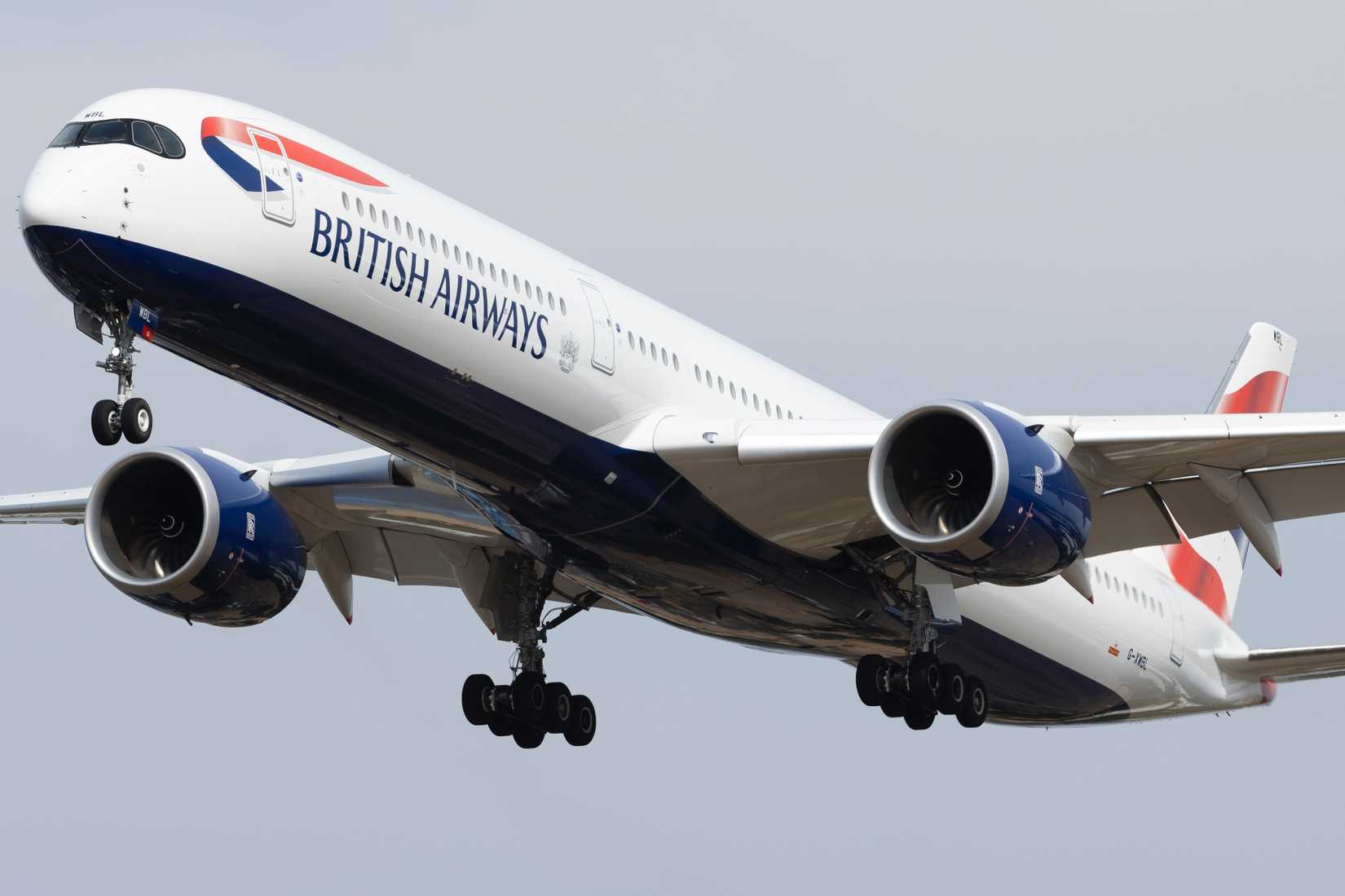
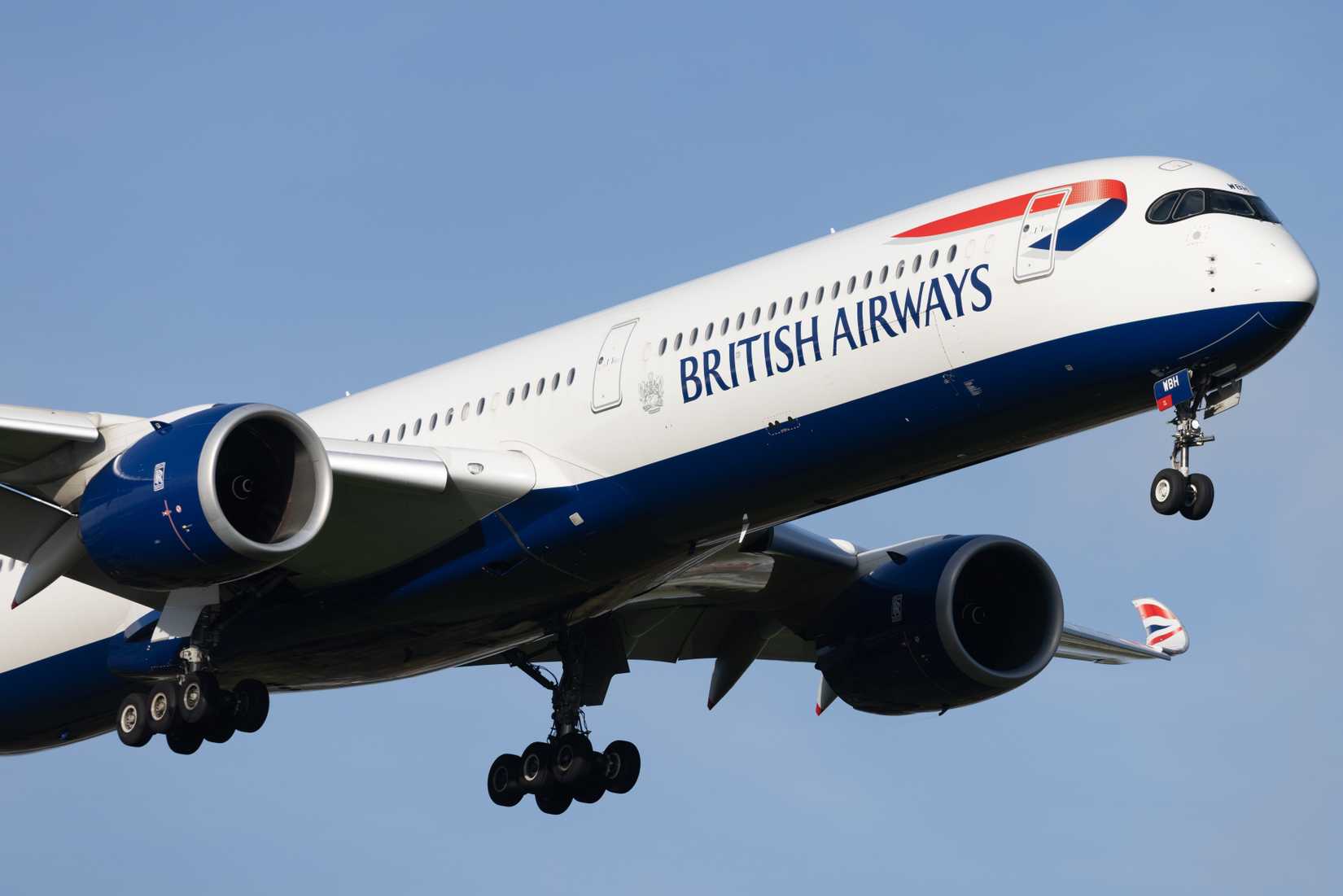
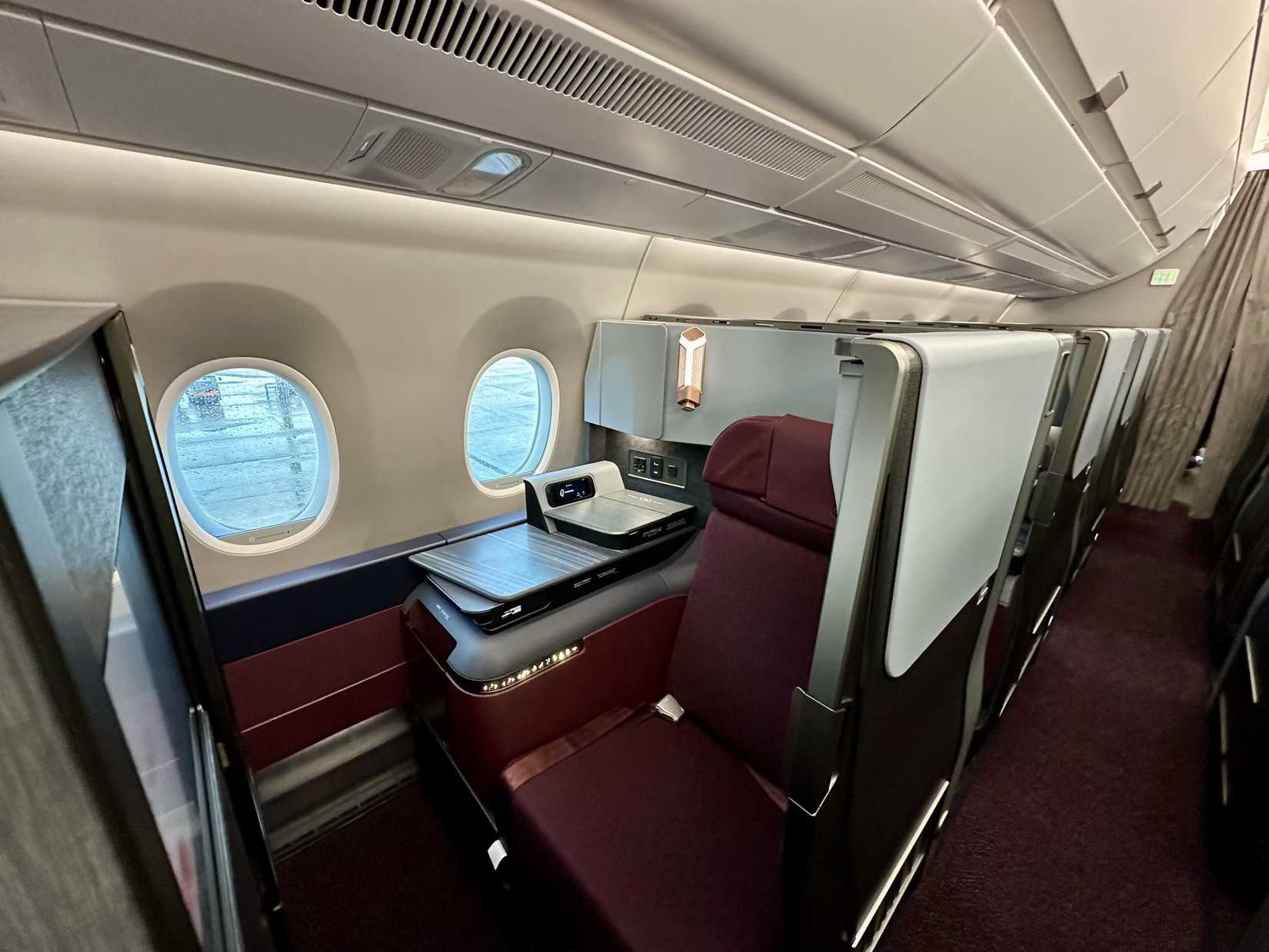
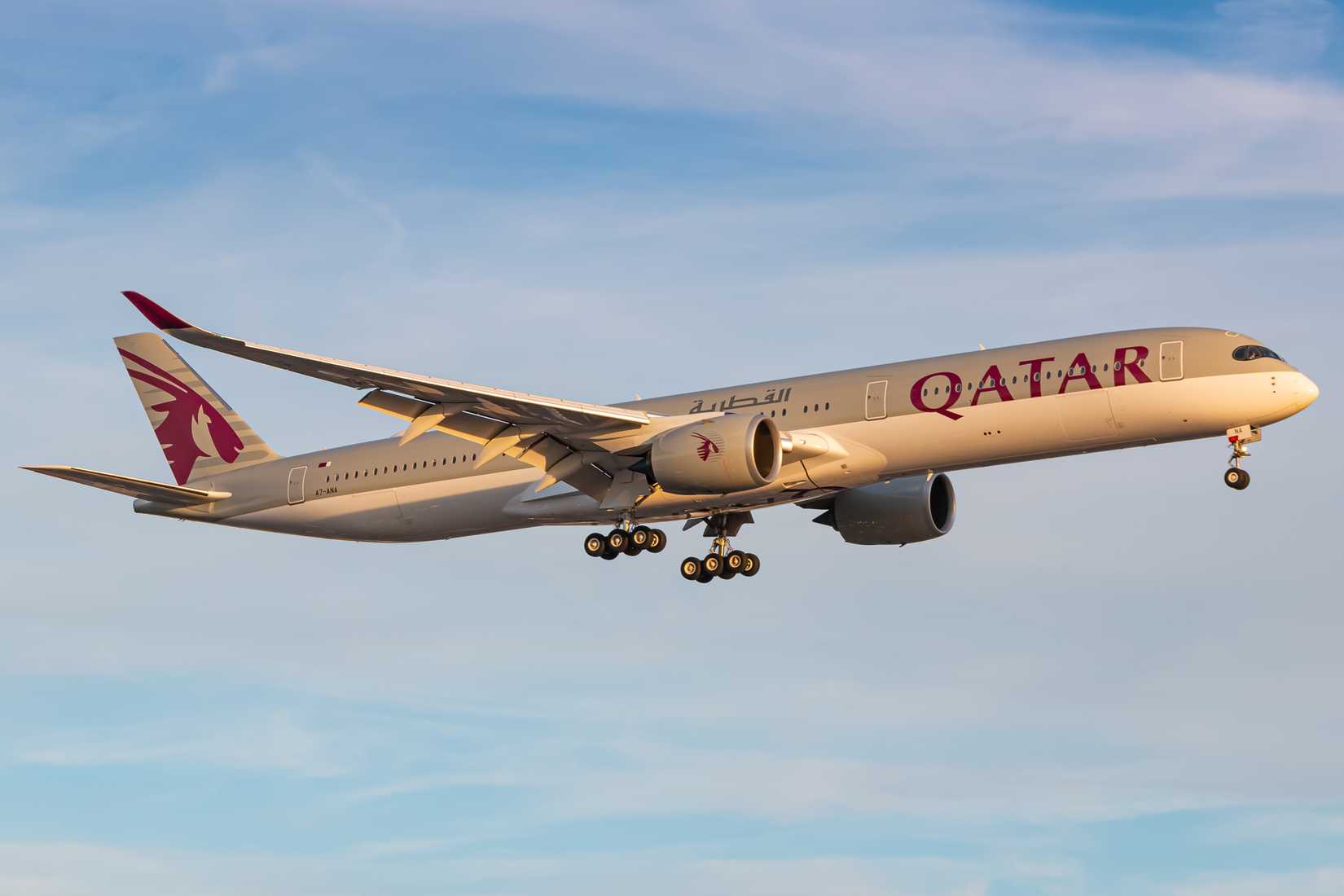
The Airbus A350-1000's expanding US footprint in 2026 reflects a broader shift in how international carriers are matching aircraft capability to route economics, moving the largest Airbus twin-engine widebody beyond its traditional strongholds of New York, Los Angeles, and Chicago into secondary but fast-growing gateways. According to Cirium schedule data cited in the analysis, only eight US markets see daily A350-1000 service in 2026, and British Airways figures prominently across several of them—Austin, Las Vegas, and Phoenix all receive daily nonstop service to London Heathrow using the type. This pattern underscores how BA has standardized its newest Club Suite business-class product across a widening set of US markets rather than reserving flagship aircraft exclusively for its highest-volume routes, a strategy that signals confidence in origin-and-destination demand at cities not traditionally viewed as long-haul powerhouses.
For working pilots, particularly those flying for legacy carriers or eyeing widebody upgrades, this trend is a meaningful data point about where international flying is heading. The A350-1000's range (routes like Phoenix-Heathrow span nearly 5,300 miles) combined with its twin-engine efficiency makes it economically viable on routes that previously could only support older, less efficient quads or smaller widebodies like the 787-8. Pilots transitioning onto the A350 fleet, or those bidding on international lines, should note that secondary hubs such as Austin and Las Vegas are no longer fringe assignments but increasingly permanent fixtures in long-haul network planning. This has implications for crew basing, layover patterns, and route seniority bidding as airlines diversify away from concentrating widebody flying purely in traditional gateway cities.
The underlying economic drivers—semiconductor manufacturing investment in Austin and Phoenix, Las Vegas's convention and entertainment economy, and the broader nearshoring/tech-sector boom in the Sun Belt—illustrate how corporate and premium leisure demand patterns are reshaping network planning independent of legacy hub-and-spoke logic. Airlines are increasingly willing to deploy 350-plus-seat aircraft with substantial premium cabins into markets defined almost entirely by point-to-point demand rather than connecting traffic, a strategy only possible because next-generation twin-engine widebodies like the A350-1000 offer the fuel burn and maintenance economics to make such deployments profitable even without a strong connecting bank. This mirrors similar moves by carriers like Delta and Lufthansa with the A350-900 into cities such as Austin, Raleigh-Durham, and other emerging tech and business hubs.
For flight departments, dispatchers, and operations planners in both commercial and business aviation, the trend also signals where premium corporate travel demand is concentrating. As legacy carriers commit widebody metal to markets like Austin and Phoenix, business aviation operators may see corresponding shifts in charter and fractional demand patterns, since these same tech, semiconductor, and venture-capital-driven corridors often generate parallel private aviation traffic. The A350-1000's growing US daily presence, still limited to just eight markets, offers a leading indicator of which secondary cities are graduating into genuine international aviation hubs, a trend worth monitoring for anyone involved in network planning, fleet assignment, or long-term career positioning within widebody operations.











 Read original article