Delta Air Lines Broke A Decade Of Airbus Widebody Loyalty To Give Boeing 1 Order
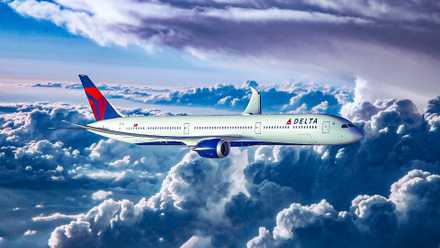
Delta Air Lines' firm order for 30 Boeing 787-10 Dreamliners, with options for up to 30 more, marks a significant inflection point in the carrier's fleet strategy after nearly a decade of exclusive widebody procurement from Airbus. Finalized on January 13, 2026, the deal ends Delta's single-source reliance on the A330-900 and A350-900 for long-haul growth and reintroduces Boeing to the airline's twin-aisle lineup for the first time since it canceled an inherited order for 18 Boeing 787-8s in 2016 — aircraft acquired through the Northwest Airlines merger. That earlier decision was driven by a desire for fleet simplicity and stronger margins through Airbus-only widebody operations. The reversal a decade later underscores how supply chain fragility, geopolitical tariff exposure, and capacity demands have forced even the most disciplined fleet planners to hedge against single-manufacturer risk.
For pilots and flight operations groups, this order carries meaningful downstream implications. Reintroducing a Boeing widebody type into a carrier that has spent ten years standardizing training pipelines, checkairman cadres, and maintenance infrastructure around Airbus widebodies means Delta will need to rebuild or expand 787 type-rating capacity, simulator availability, and crew scheduling logic to support dual-manufacturer long-haul operations. This is not a trivial administrative shift — it affects seniority-based fleet bidding, training footprint, and the complexity of maintaining currency and qualification across two distinct flight-deck philosophies (Airbus fly-by-wire sidestick versus Boeing's yoke-and-throttle architecture). Airlines that operate mixed-manufacturer widebody fleets, such as United and American, have long managed these tradeoffs, and Delta's move signals it is willing to accept that operational complexity in exchange for supply chain resilience and product flexibility.
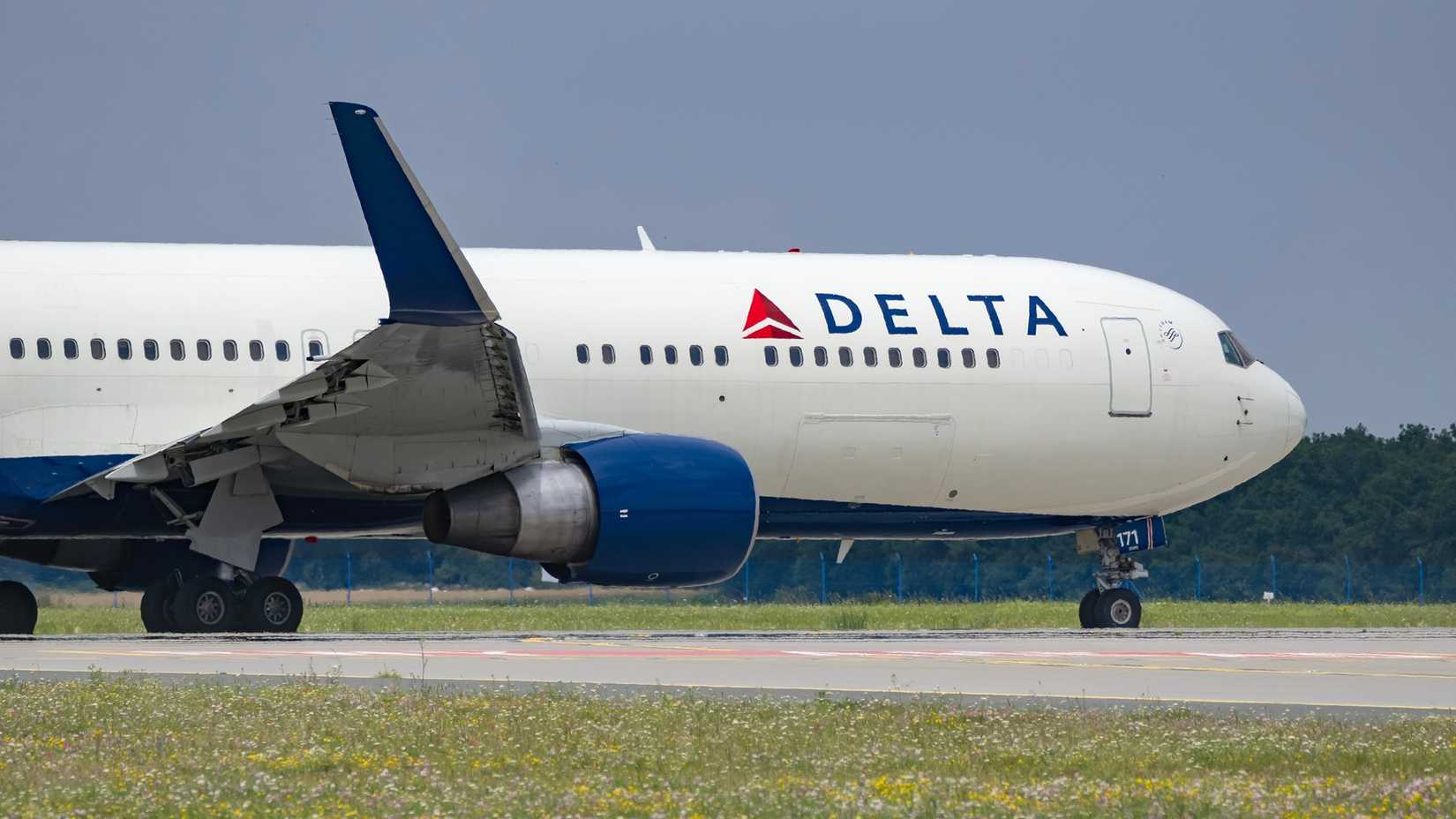
The 787-10 order is explicitly framed as a 767-300ER/767-400ER replacement program, with deliveries beginning in 2031 — a long runway that gives Delta time to manage the phase-out of airframes now approaching or exceeding 30 years in service. The choice of the largest Dreamliner variant reflects a high-gauge strategy prioritizing cargo capacity and premium seating density over route frequency, with more than 50% of the cabin dedicated to Delta One Suites, Premium Select, and Comfort+ — nearly double the premium mix on the outgoing 767 fleet. This mirrors an industry-wide trend among full-service carriers toward premiumization as a primary profit driver, particularly on transatlantic corridors where business and premium leisure demand has outpaced economy growth. The claimed 20% fuel-burn-per-seat improvement over the 767s also aligns with broader industry pressure to modernize aging widebody fleets for both cost and emissions-reduction targets.
Beyond Delta's individual fleet planning, this order is notable as a bellwether for Boeing's widebody order book, which has lagged Airbus in recent years amid the 787 program's post-pandemic production and quality-control turbulence. A 30-aircraft firm commitment — with options that could double it — from a carrier that had pointedly avoided Boeing widebodies for a decade offers Boeing a credibility boost during a period when the manufacturer has been working to rebuild airline and regulator confidence following certification delays and manufacturing scrutiny across its commercial programs. For working pilots, dispatchers, and maintenance planners across the industry, the deal is a reminder that fleet composition decisions increasingly hinge not just on unit economics but on diversification of manufacturing risk — a dynamic likely to influence how other legacy carriers approach their own upcoming widebody replacement cycles.






 Read original article