Rolls-Royce Says It Has Doubled Engine Time On Wing Since Launching Its Transformation
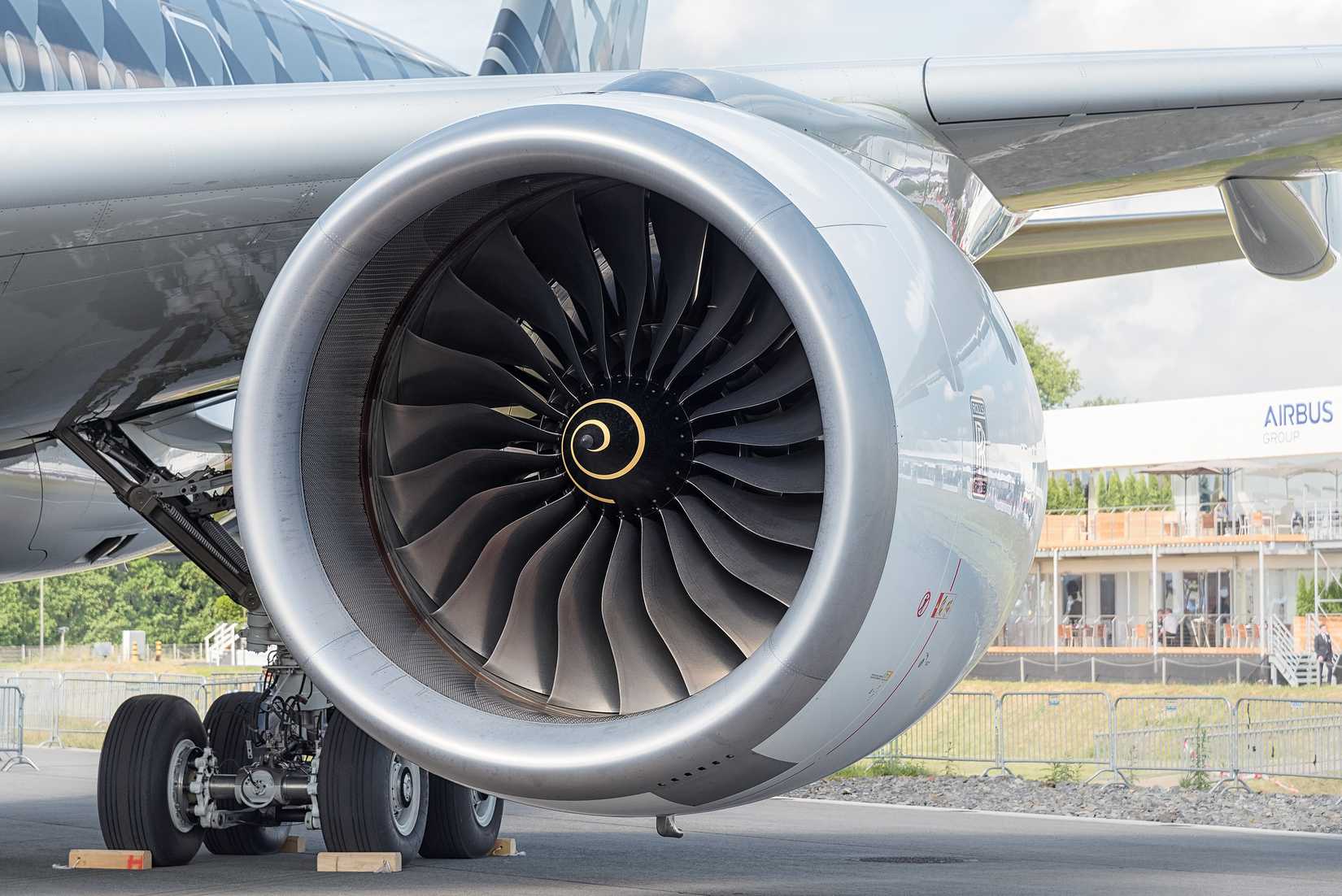
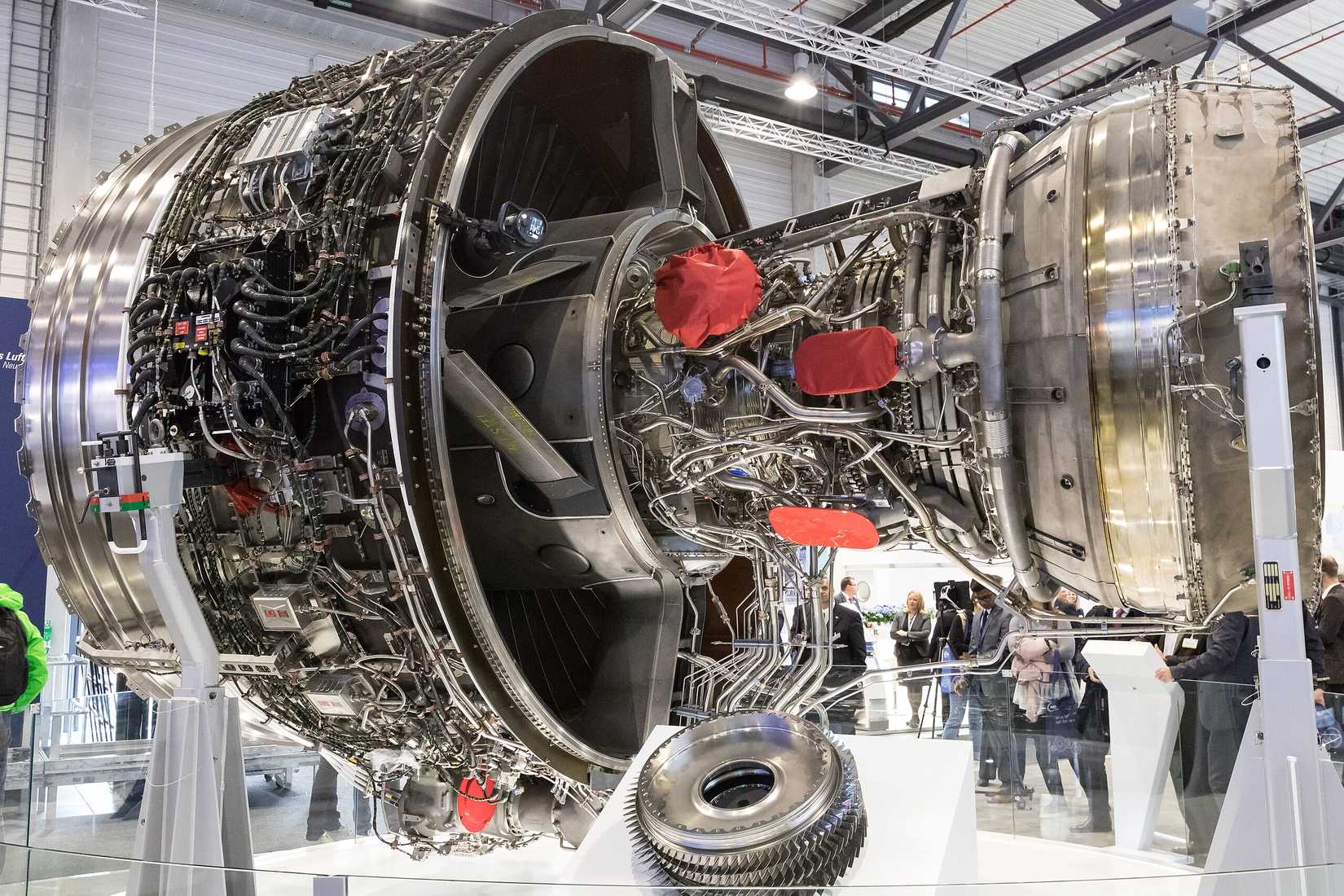
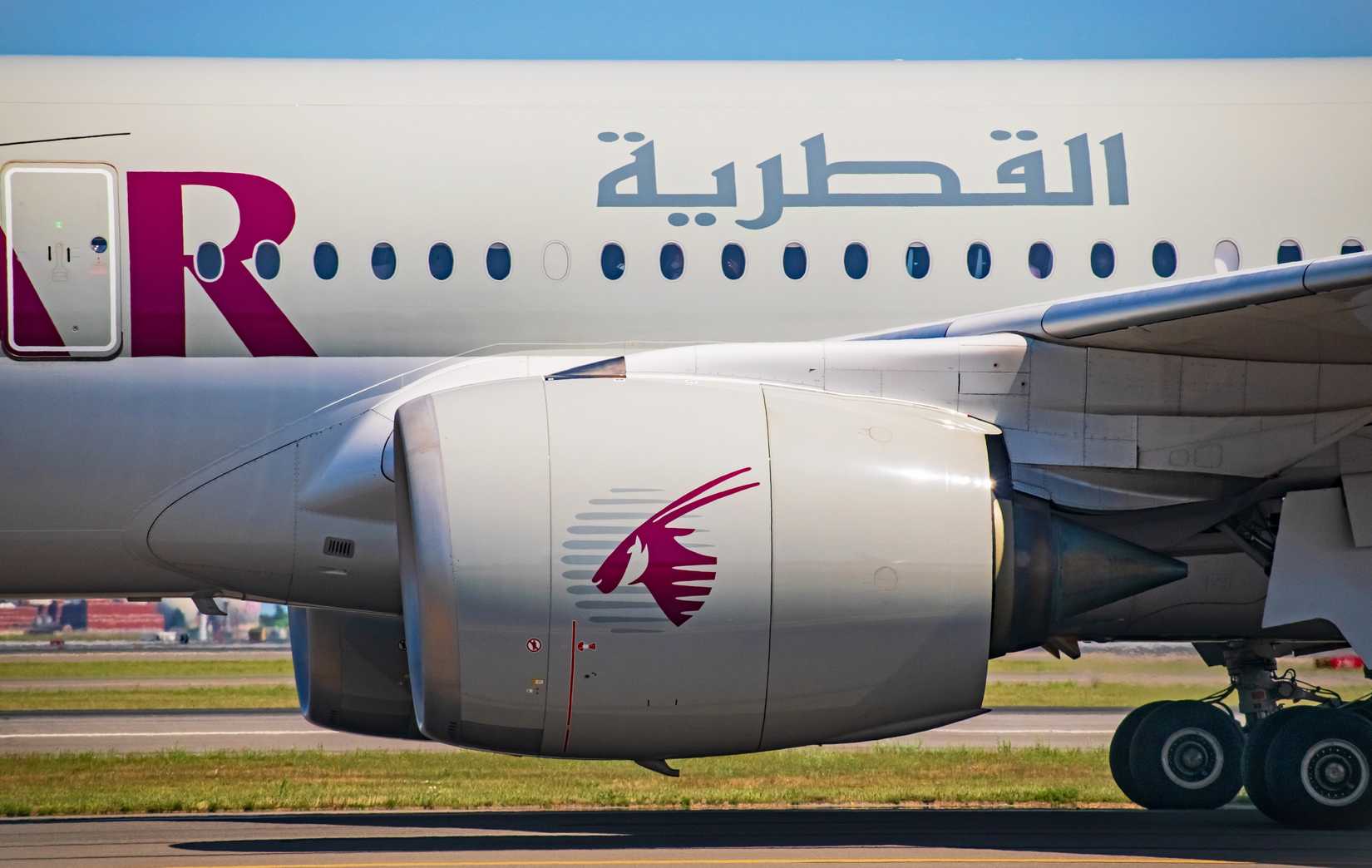
Rolls-Royce has confirmed that its three-year, £1 billion ($1.3 billion) Trent engine durability program has delivered a 100% improvement in time on wing across its modern widebody engine family, doubling the original 40% target set in 2023. Speaking at a pre-Farnborough Airshow briefing in July 2026, Civil Aerospace President Rob Watson traced the progression of the goal: from 40% at the 2023 Capital Markets Day, to an 80% revision in 2024 as critical-part life extension on the Trent XWB-84 outpaced expectations, to the now-confirmed doubling across the Trent 1000, Trent 7000, and Trent XWB families powering the Boeing 787, Airbus A330neo, and A350. This marks one of the more consequential engine reliability turnarounds in recent commercial aviation history, given how badly the Trent 1000's high-pressure turbine blade degradation issues damaged Rolls-Royce's standing with 787 operators and ceded market share to GE's GEnx-1B.
For working pilots, this news is largely invisible in day-to-day operations but matters enormously to the operators they fly for. Time on wing is the single biggest driver of widebody engine economics: it dictates shop visit frequency, spare engine requirements, aircraft availability, and unscheduled maintenance risk. A doubling of on-wing durability effectively halves the frequency of multimillion-dollar shop visits and the associated aircraft-out-of-service time. Pilots flying Trent 1000-powered 787s in particular have lived through years of the fallout from this engine's earlier problems — fleet groundings, ETOPS restrictions tied to reliability concerns, and unpredictable maintenance-driven aircraft swaps that disrupted crew and passenger planning. The Durability Enhancement Package, certified by the FAA in mid-2025, directly targets the root cause with a 40% increase in turbine blade cooling and combustor/fuel nozzle redesigns, which should translate into fewer engine-related dispatch reliability issues and MEL entries going forward.
The broader significance extends to fleet planning and route economics that shape pilot schedules and career-relevant fleet decisions at airlines. Improved time on wing gives carriers more confidence to commit to long-haul, ETOPS-heavy route networks using Trent-powered aircraft, potentially influencing future widebody fleet mix decisions and engine-selection competitions on new aircraft programs. It also reduces the spare-engine pool airlines must carry, freeing capital that can be redirected toward fleet growth or crew training investment. For an industry still recovering from pandemic-era maintenance backlogs, supply chain constraints on forgings and castings, and a persistent shortage of MRO shop capacity, an OEM demonstrating it can meaningfully extend intervals between shop visits is a rare piece of good news that eases pressure across the entire maintenance ecosystem.
This development also fits into a larger trend of engine manufacturers being forced to prioritize durability and reliability engineering over pure performance gains, following high-profile in-service issues affecting not just Rolls-Royce's Trent 1000 but also Pratt & Whitney's geared turbofan powder-metal inspections and GE/CFM's LEAP durability challenges in high-cycle, hot-and-sandy operating environments. Rolls-Royce's willingness to publicly track and repeatedly upgrade its own target — from 40% to 80% to 100% — signals a shift toward transparency and accountability metrics that airlines and lessors are increasingly demanding from OEMs before committing to new engine programs. For pilots and operators alike, the practical takeaway is a maintenance environment trending toward greater predictability, fewer unscheduled removals, and improved dispatch reliability on the Trent-powered 787, A330neo, and A350 fleets heading into the back half of the decade.









 Read original article