What Pilots Actually Do Hour-By-Hour On An 18-Hour Flight To New York-JFK
Singapore Airlines' SQ23/SQ24 route between Changi and JFK remains the benchmark for ultra-long-haul (ULH) operations, and the operational details behind its 18-to-19-hour block time offer a useful window into how augmented crew procedures actually function in practice. Because the flight far exceeds FAR/EASA-equivalent duty limits for a standard two-pilot crew, Singapore Airlines operates with four flight crew members—typically two captains and two first officers, or a captain/FO pair plus a relief pair—rotating through structured rest periods of roughly four hours and 2.5 hours per crew member. The hour-by-hour breakdown shows a deliberate choreography: full crew presence for takeoff and landing, staggered relief during mid-cruise over remote Pacific airspace, and a coordinated handover before the high-workload descent into New York's congested airspace. This isn't a novel concept to anyone who has flown augmented ops, but the granular timeline is a helpful reference for pilots transitioning into ULH fleets or for check airmen building fatigue-risk-management training materials.
The article's emphasis on cognitive load—six fuel tanks, four engine parameters, multiple ATC regions, oceanic procedures, and rolling alternate-airport assessments—underscores why fatigue risk management (FRM) has become as central to ULH certification as range and payload calculations. Regulators including the FAA, EASA, and CASA have increasingly required airlines to submit FRM documentation, controlled rest protocols, and physiological data before approving routes like SIN-JFK or the forthcoming Project Sunrise sectors. For working pilots, this matters because it validates the operational premise behind augmented crewing: rest isn't a luxury bolted onto the schedule, it's a regulatory and safety necessity tied directly to sustained vigilance during oceanic and remote-airspace segments where diversion options are limited and workload during arrival remains high despite hours of monotony beforehand. The physiological stressors mentioned—cabin dehydration and reduced cabin pressure altitude effects over a near-19-hour exposure—are increasingly documented in aviation medicine literature and factor into how airlines design bunk facilities, hydration protocols, and crew scheduling.
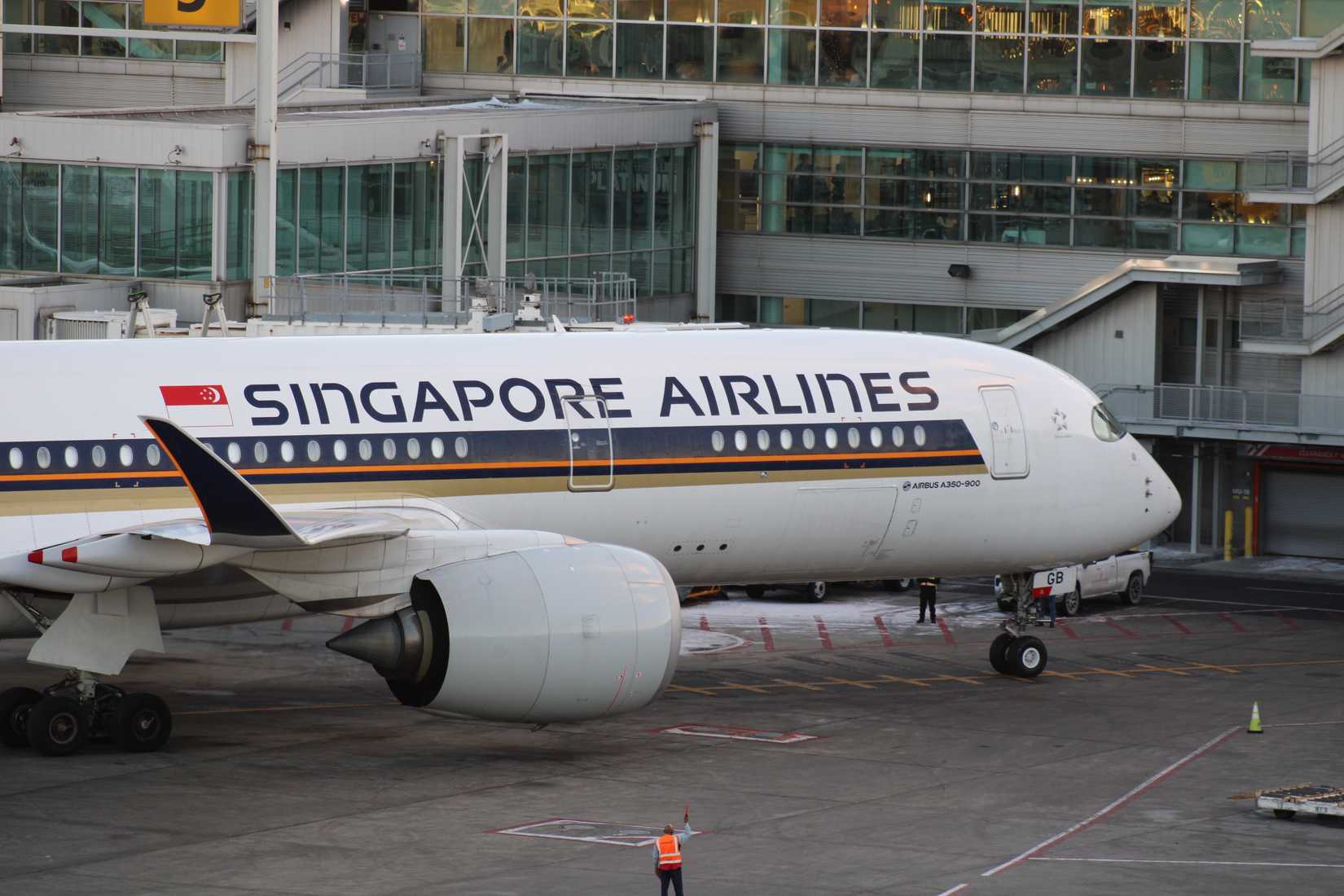
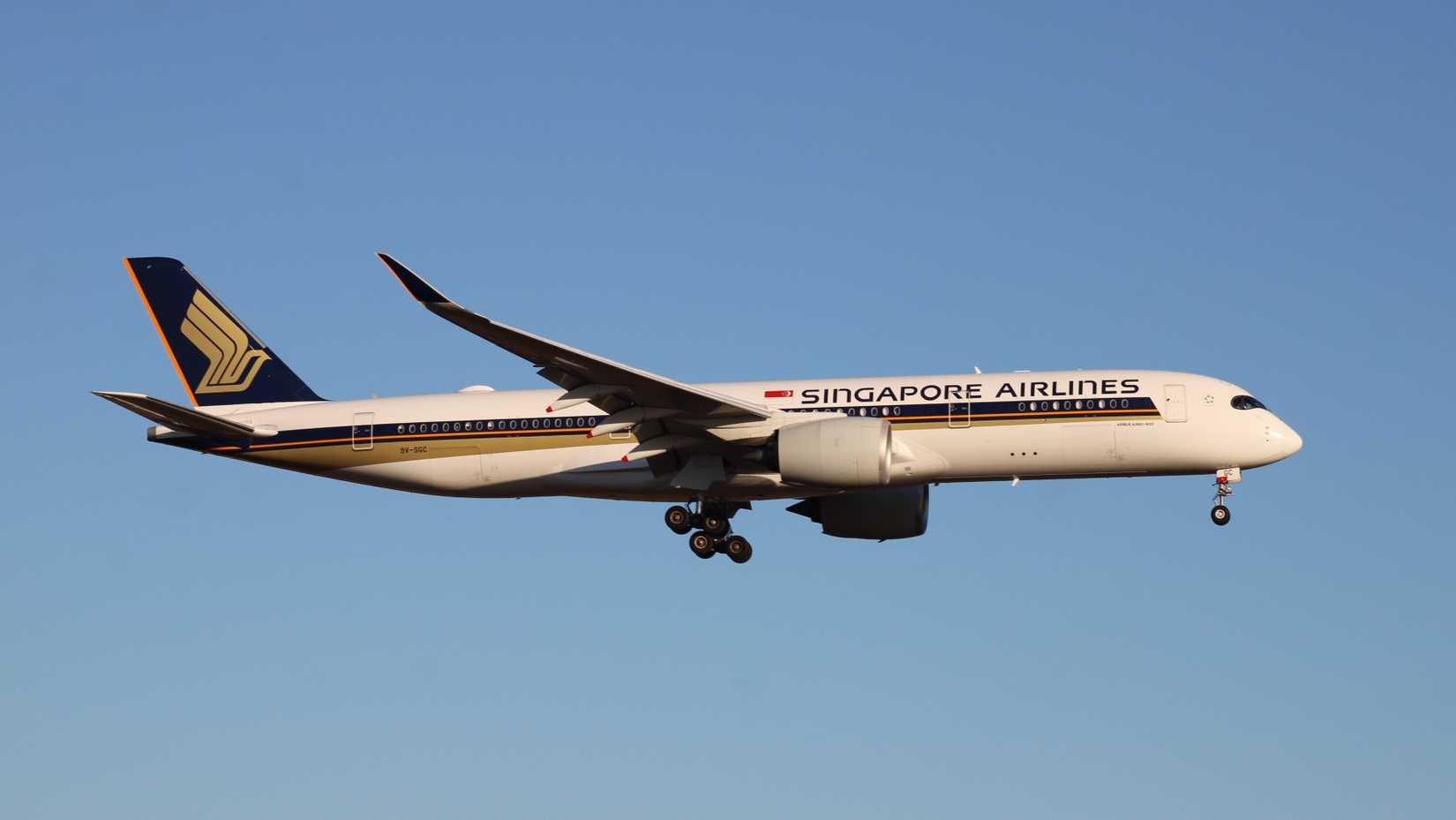
The A350-900ULR's bespoke engineering—reduced seating capacity swapped for extended fuel capacity, Trent XWB-84 engines, and a 617,300-lb MTOW—illustrates the broader trend of airframers customizing existing platforms for narrow, high-value ULH niches rather than designing entirely new aircraft. This mirrors Qantas' approach with the A350-1000ULR for Project Sunrise, which will push nonstop SYD-LHR flying toward 22 hours and represents the next frontier in crew endurance planning. For flight operations departments and pilot unions, these developments have direct implications: contract negotiations increasingly address ULH pay premiums, rest-facility standards, and duty-time limits specific to four-pilot augmented crews, and type-rating training now often includes dedicated ULH modules covering circadian management and rest-period discipline.
More broadly, this fits into a commercial aviation trend where nonstop ULH routes are reshaping network planning, allowing carriers to bypass traditional hub connections in the Middle East or Southeast Asia entirely. As more A350-1000ULR and 777X-derivative aircraft enter service capable of 20+ hour sectors, expect increased scrutiny from ICAO and national regulators on crew rest architecture, cabin rest-area certification standards, and fatigue biomathematical modeling. Pilots flying long-haul international routes—even those not yet on ULH fleets—should watch these developments closely, as the operational and regulatory frameworks being refined on routes like SIN-JFK will likely become the template for the next generation of ultra-long-haul scheduling across the industry.







 Read original article