For The 1st Time In 60 Years, Boeing Will Build The 737 Outside Renton: Here's Why It Matters
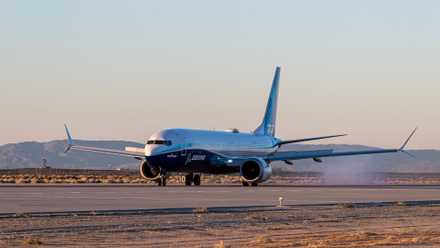
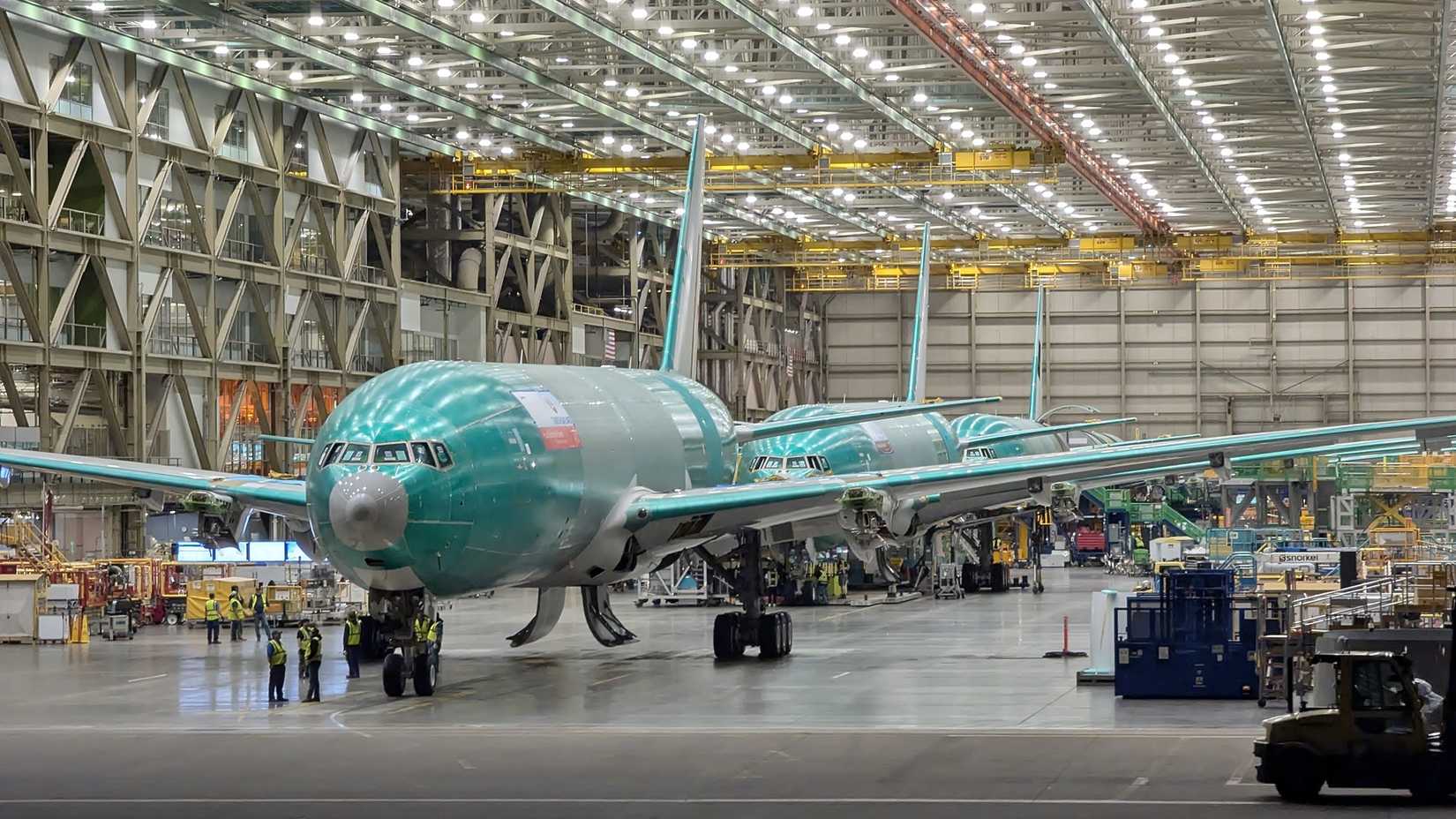
Boeing's decision to activate a second 737 final assembly line at Everett—dubbed the North Line—marks the first time in nearly six decades that the company's best-selling narrowbody will be built outside its traditional Renton home. CEO Kelly Ortberg confirmed production began there on July 6, positioning Everett as a complementary facility rather than a replacement for Renton's three existing lines. The move leverages Everett's underutilized capacity following the 2023 end of 747 production and the consolidation of 787 assembly in North Charleston, allowing Boeing to expand 737 output without the cost and schedule risk of greenfield construction. Ortberg has described the North Line as a "carbon copy" of Renton, with matched tooling, workflows, quality-control procedures, and training programs designed to ensure identical aircraft regardless of which facility built them.
For working pilots, this development is less about romantic manufacturing history and more about what it signals for fleet growth, delivery timelines, and aircraft standardization. Airlines and operators awaiting MAX deliveries from a backlog that stretches into the thousands have a direct stake in Boeing's ability to reliably increase production rates. A second assembly line theoretically reduces single-point-of-failure risk—labor disruptions, quality escapes, or supply chain bottlenecks at Renton no longer halt the entire 737 program. That matters to carriers planning fleet renewal and to pilots transitioning onto MAX variants, since predictable delivery schedules affect training pipelines, route planning, and how quickly airlines can retire older, less efficient aircraft. Any inconsistency between Everett-built and Renton-built jets, however, would be closely scrutinized given Boeing's recent history of quality lapses, including the January 2024 Alaska Airlines door-plug blowout that triggered intense FAA oversight and production-rate caps.
This expansion also reflects Boeing's broader effort to rebuild credibility with regulators, airlines, and the flying public after years of manufacturing turmoil. The FAA has kept 737 production capped at 38 aircraft per month since the Alaska Airlines incident, and Boeing has repeatedly stated it wants to demonstrate consistent quality before requesting rate increases—38, then 42, and eventually 47 or higher. Adding Everett capacity positions Boeing to scale output once regulators grant approval, without needing to prove out a brand-new facility from scratch. The competitive dimension is significant too: Airbus continues to outpace Boeing in narrowbody deliveries with its A320neo family, and Boeing's ability to close that gap depends heavily on execution at both Renton and now Everett. For pilots and operators, faster, more reliable 737 MAX deliveries could ease capacity constraints across an industry still managing pilot shortages, aircraft utilization pressures, and aging fleets.
More broadly, the North Line reflects an industry-wide trend toward manufacturing flexibility and redundancy in commercial aviation. Just as airlines diversify route networks and fleet types to manage risk, airframers are increasingly building redundancy into production systems rather than concentrating single-model output in one location—a lesson reinforced by pandemic-era supply chain disruptions and Boeing's own recent quality crises. Whether Everett succeeds in replicating Renton's processes without introducing new variability will be an important test case, watched closely by airline fleet planners, maintenance organizations, and regulators alike, as Boeing attempts to rebuild trust while simultaneously scaling up production of the aircraft that underpins much of the world's short- and medium-haul commercial aviation.





 Read original article