Airlines Are Now Ripping Out Economy Seats To Make Room For Doored First-Class Suites
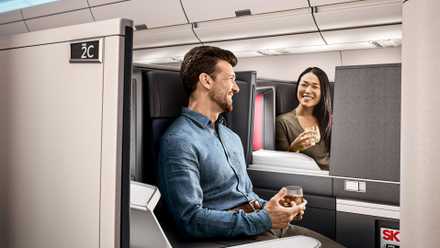
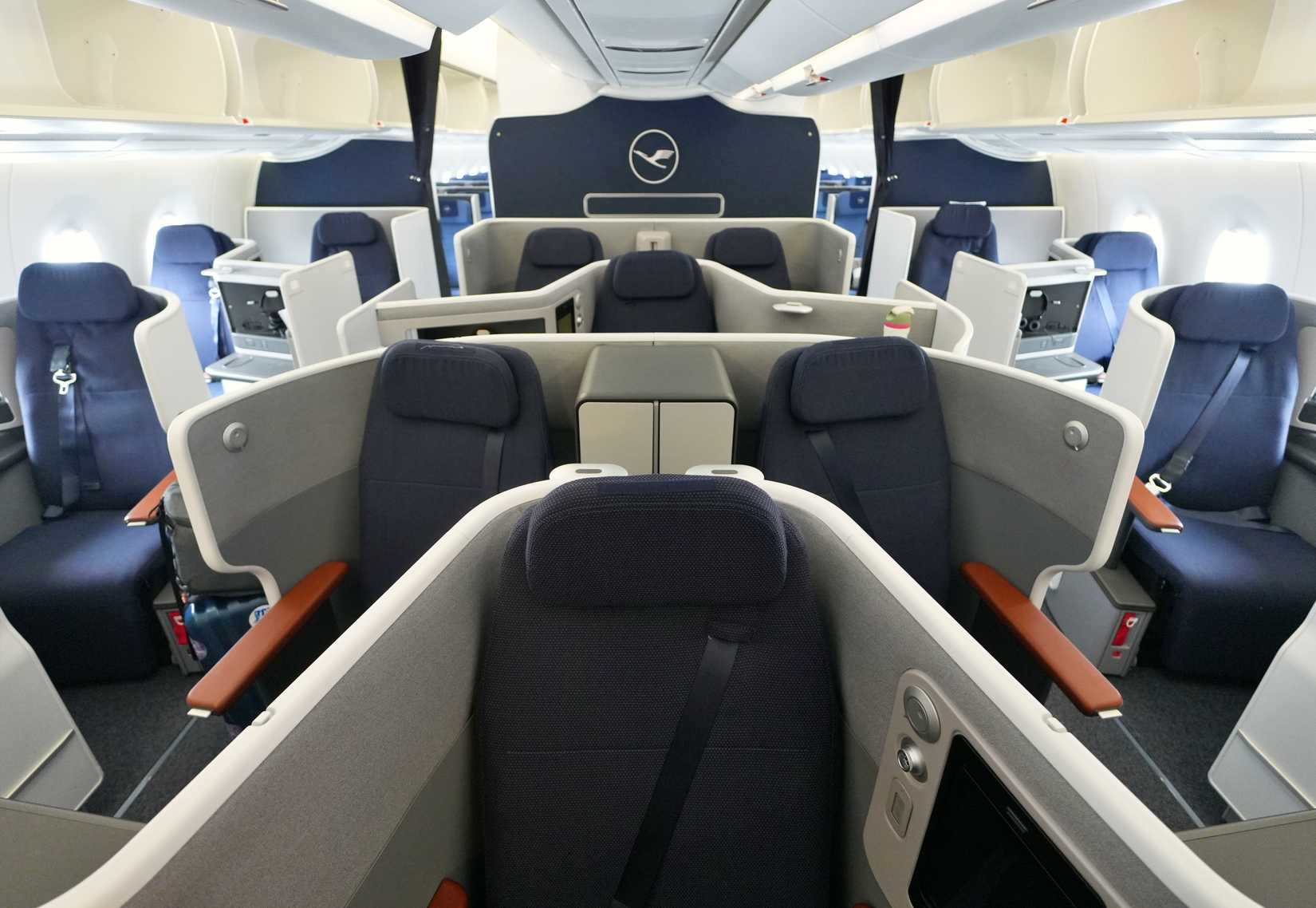
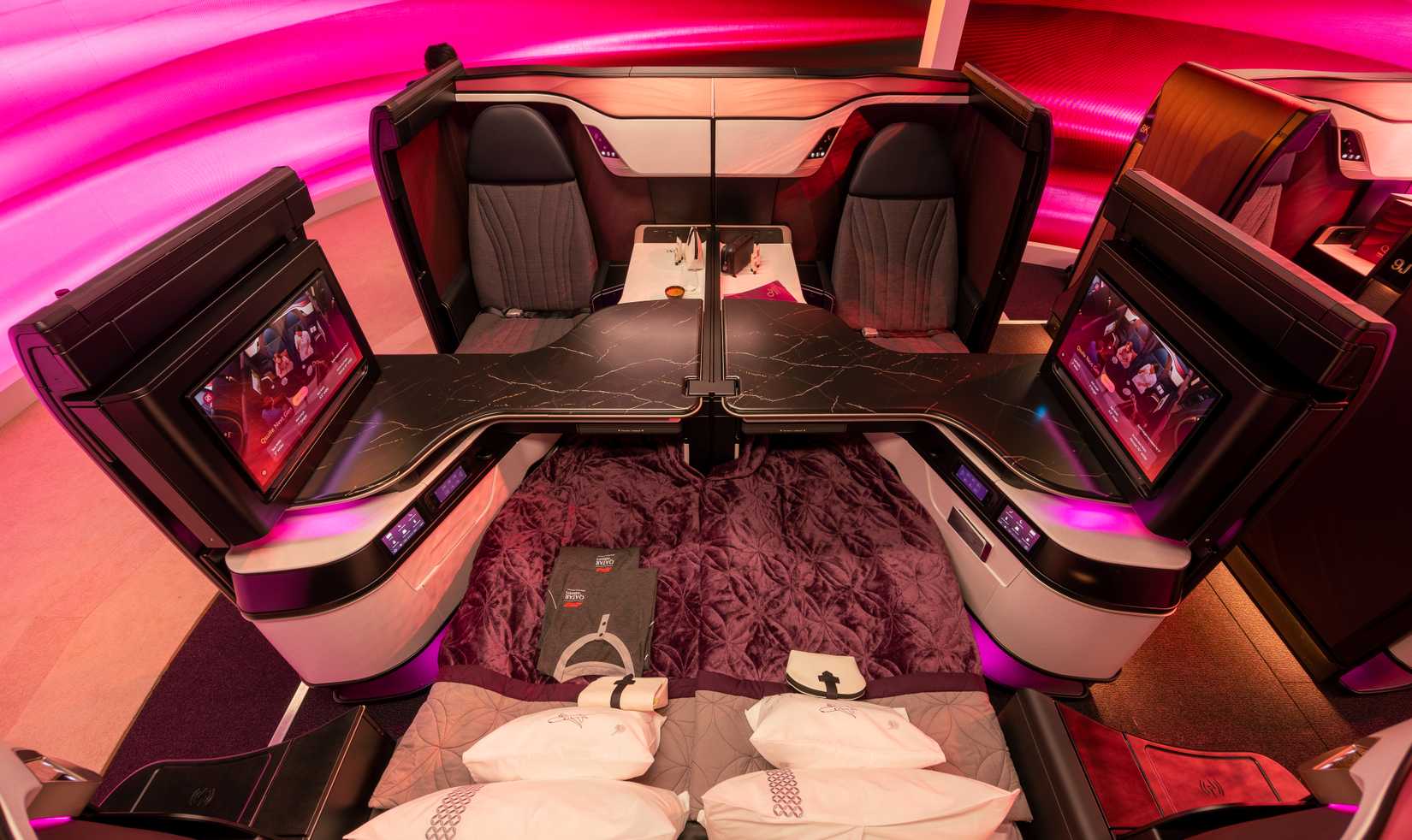
Airlines are undertaking a structural reallocation of cabin real estate, trading economy seat density for expanded premium suites, and the numbers explain why. Premium cabins represent roughly 3% of passengers but generate approximately 15% of airline revenue, and Delta has publicly confirmed that its premium cabin margins ran 15 percentage points higher than economy in 2024. McKinsey's data showing 27% growth in scheduled business/first-class capacity since January 2020, against just 10% growth in economy, confirms this is not anecdotal but an industry-wide reallocation of aircraft floor space toward higher-yield seating. Lufthansa's €2.5 billion Allegris program, Air France's reinvented La Première, and Emirates' Game Changer First Class all illustrate the scale of capital being committed to sliding-door suites, near-six-and-a-half-foot beds, and private-jet-style amenities inside commercial airframes.
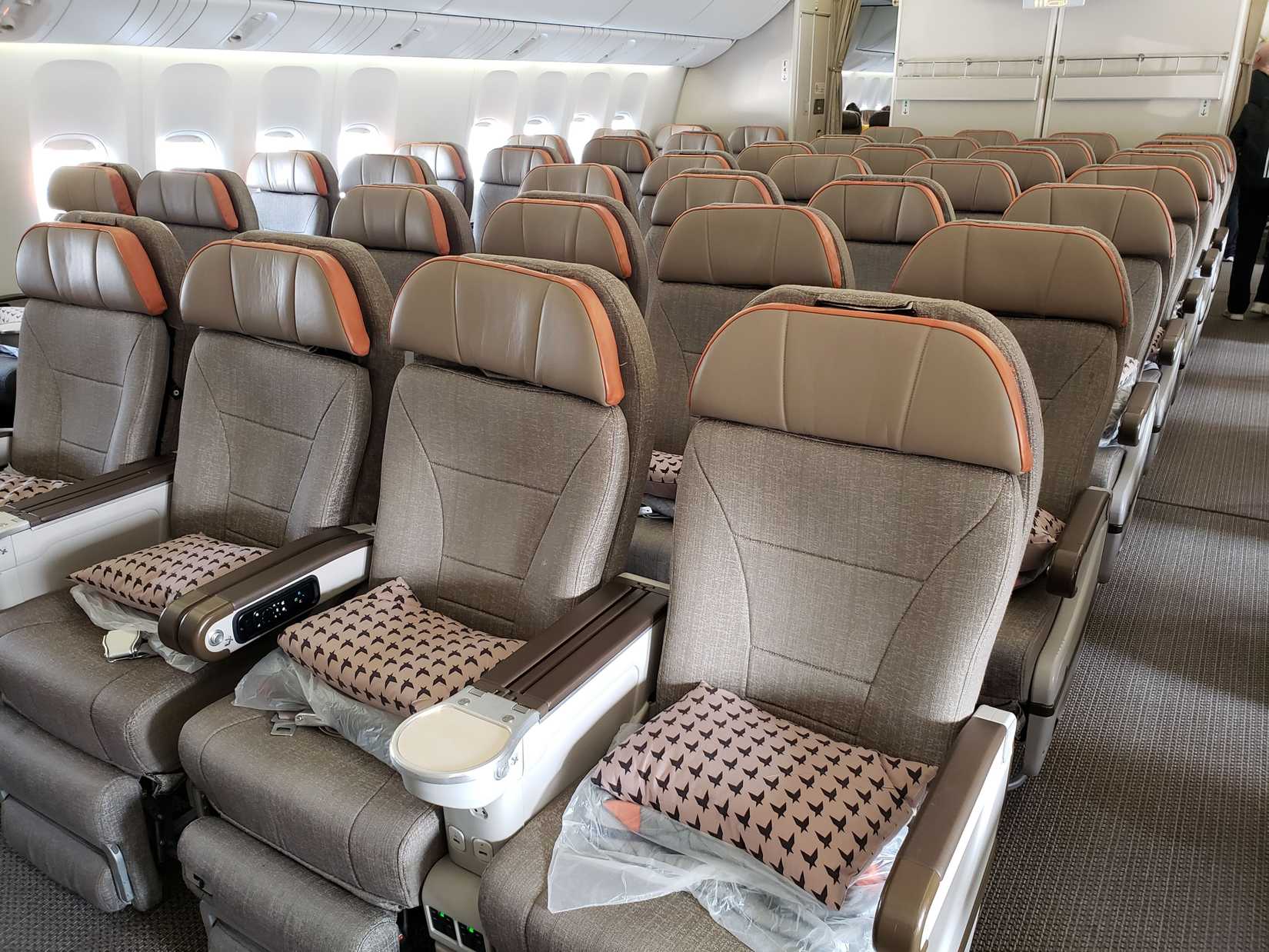
For working pilots, this trend carries direct operational consequences beyond the obvious cabin-crew and weight-and-balance implications. Reconfigured cabins with fewer, larger premium suites and expanded premium economy sections change payload assumptions, center-of-gravity calculations, and even boarding/deplaning timing that factor into on-time performance metrics. Carriers reducing overall seat counts on widebody aircraft to make room for suites are effectively increasing revenue per available seat mile (RASM) rather than pursuing pure capacity growth, which has downstream effects on route planning, aircraft assignment, and fleet renewal decisions. Airlines flying older widebodies configured for high-density economy will face growing competitive pressure to retrofit or retire those airframes faster, accelerating fleet modernization cycles that pilots training on new type ratings and cabin configurations will need to track closely.
The shift toward affluent leisure travelers as the primary driver of premium demand, rather than traditional corporate travel, is arguably the more significant long-term signal. McKinsey's finding that nearly half of premium bookings at some carriers now come from leisure passengers, combined with Virtuoso's Luxe Report showing strong expected growth in luxury travel spending through 2026, indicates airlines are betting on a more durable revenue base than the historically volatile corporate travel segment. This matters to flight operations planning because leisure-driven premium demand tends to concentrate on specific long-haul routes tied to destination travel, honeymoon markets, and seasonal leisure corridors, rather than the weekday-heavy patterns typical of business travel. Airlines optimizing widebody deployment around this demand curve will likely continue favoring high-yield, leisure-oriented long-haul routes, reshaping which routes gain widebody service, gain frequency, or get cut.
More broadly, this cabin-reallocation trend reflects a maturing commercial aviation industry constrained by aircraft delivery delays from Boeing and Airbus, elevated operating costs, and persistent labor and infrastructure pressures. Rather than compete on volume, airlines are following a strategy resembling hotel and cruise industry economics: fewer units, higher margin per unit, and product differentiation through exclusivity. For corporate flight departments and business aviation operators, this also validates the broader premium-travel thesis underpinning much of the private and fractional jet market's growth, as commercial carriers essentially chase the same affluent traveler segment that has fueled record business jet utilization. Pilots across all segments, airline, cargo, and business aviation, should view this not as a cabin-design footnote but as evidence of a fundamental repricing of air travel around passenger willingness to pay for space, privacy, and exclusivity, a trend likely to keep influencing fleet planning, route economics, and aircraft interior specifications for years to come.













 Read original article