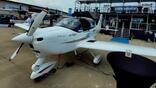
Video: Pipistrel Debuts Voyager Training Aircraft At EAA AirVenture
Pipistrel's introduction of the Voyager training aircraft at EAA AirVenture 2026 marks a notable expansion of Textron's footprint in the flight training market, leveraging the Slovenian manufacturer's expertise in efficient, purpose-built light aircraft design. Textron acquired Pipistrel in 2022, and the Voyager represents one of the clearest signals yet of how the parent company intends to integrate that acquisition into a broader strategy spanning traditional piston trainers, electric and hybrid-electric aircraft, and now a dedicated primary trainer platform. With service entry targeted for 2027, the Voyager is positioned to compete in a segment currently dominated by legacy designs from Cessna (also a Textron brand), Piper, and Diamond, as well as newer entrants seeking to capture flight schools and university aviation programs looking to modernize or expand fleets.
For working pilots and flight training organizations, the timing is significant. The global pilot shortage, while showing signs of easing in some regions, continues to drive strong demand for training capacity, particularly as airlines and business aviation operators work through elevated retirement waves and expanding fleets. Flight schools and Part 141 academies have been under pressure to increase throughput while managing aircraft availability, maintenance costs, and fuel efficiency. A new-generation trainer from an OEM with Textron's manufacturing scale and parts/support network could appeal to training providers seeking lower operating costs, modern avionics integration, and improved reliability compared to aging trainer fleets, many of which are Cessna 172s and Piper Warriors/Archers built decades ago and kept flying through extensive overhaul and parts replacement cycles.
The Voyager also fits into a broader industry trend of OEMs rethinking the ab initio training aircraft category after years of relative stagnation. While the business and commercial jet segments have seen rapid innovation in avionics, connectivity, and sustainability initiatives, the primary trainer market has been slower to turn over, with many operators flying decades-old airframes updated primarily through avionics retrofits rather than clean-sheet designs. Pipistrel's background in efficient airframe design, including its experience with electric propulsion programs like the Velis Electro, suggests the Voyager could incorporate lessons learned around efficiency and lower direct operating costs, even if it launches with conventional propulsion. This matters to flight training providers calculating cost-per-flight-hour economics, a critical factor in student affordability and program viability amid rising costs across the training pipeline.
Finally, the Voyager's debut at Oshkosh underscores how AirVenture continues to serve as a launchpad for training and general aviation announcements that ripple through the broader pilot pipeline, from Part 61/141 schools to collegiate aviation programs to airline-sponsored cadet programs. Airline and business aviation operators watching workforce pipeline health should note that trainer fleet modernization directly affects student experience, training efficiency, and ultimately the rate at which new pilots progress toward type ratings and commercial certificates. As Textron integrates Pipistrel further into its portfolio alongside Cessna and Beechcraft training platforms, industry observers will be watching how the Voyager is positioned competitively on price, support network, and certification basis, and whether it signals further consolidation or specialization in the trainer aircraft segment ahead of its 2027 service entry.





 Read original article